
Last updated November 25, 2026
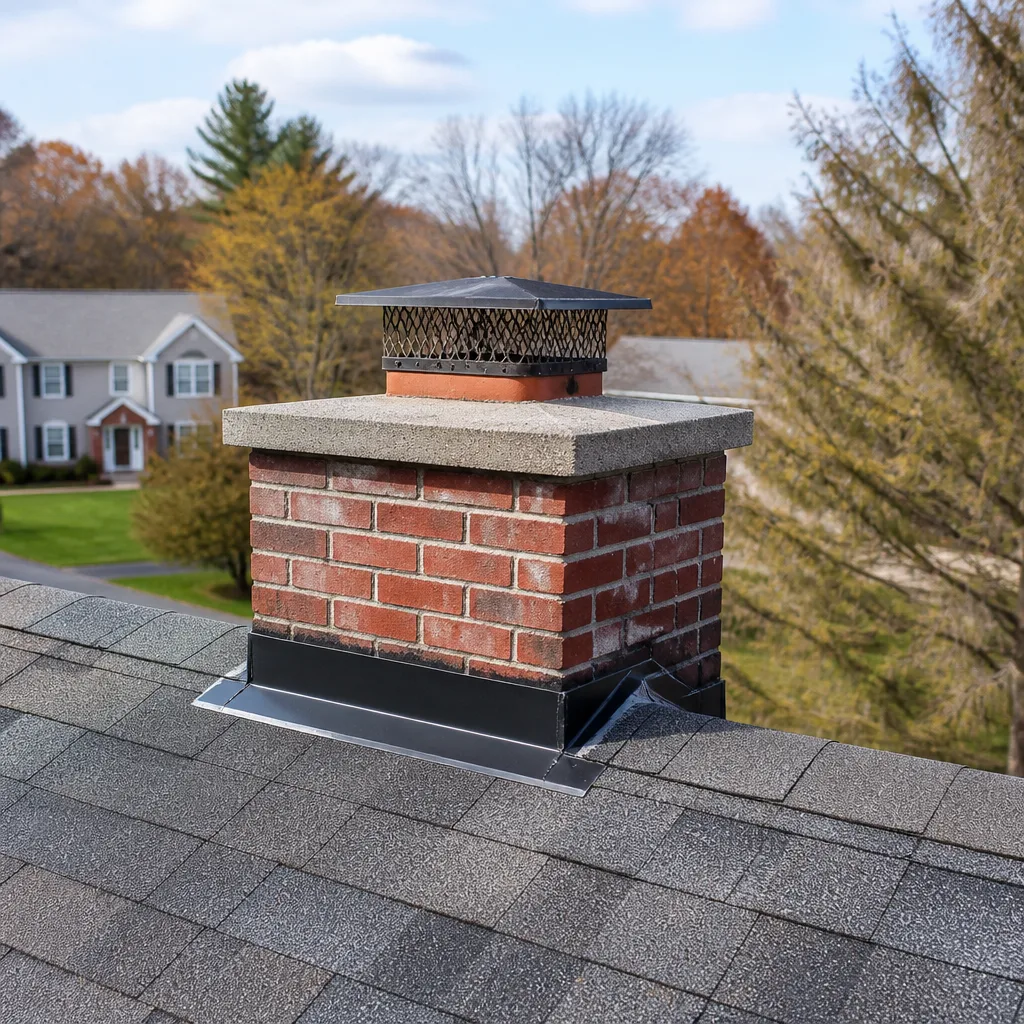 Sweep & inspection
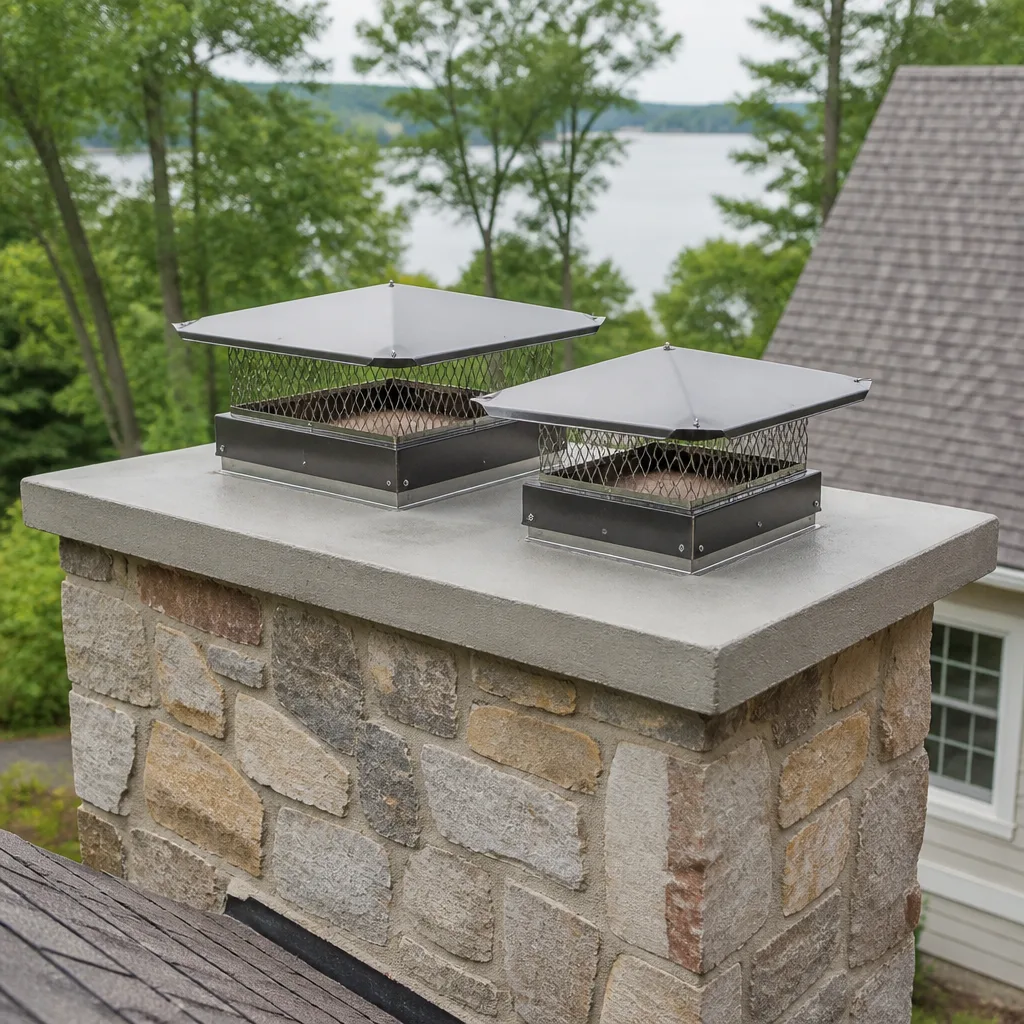 Caps & crowns
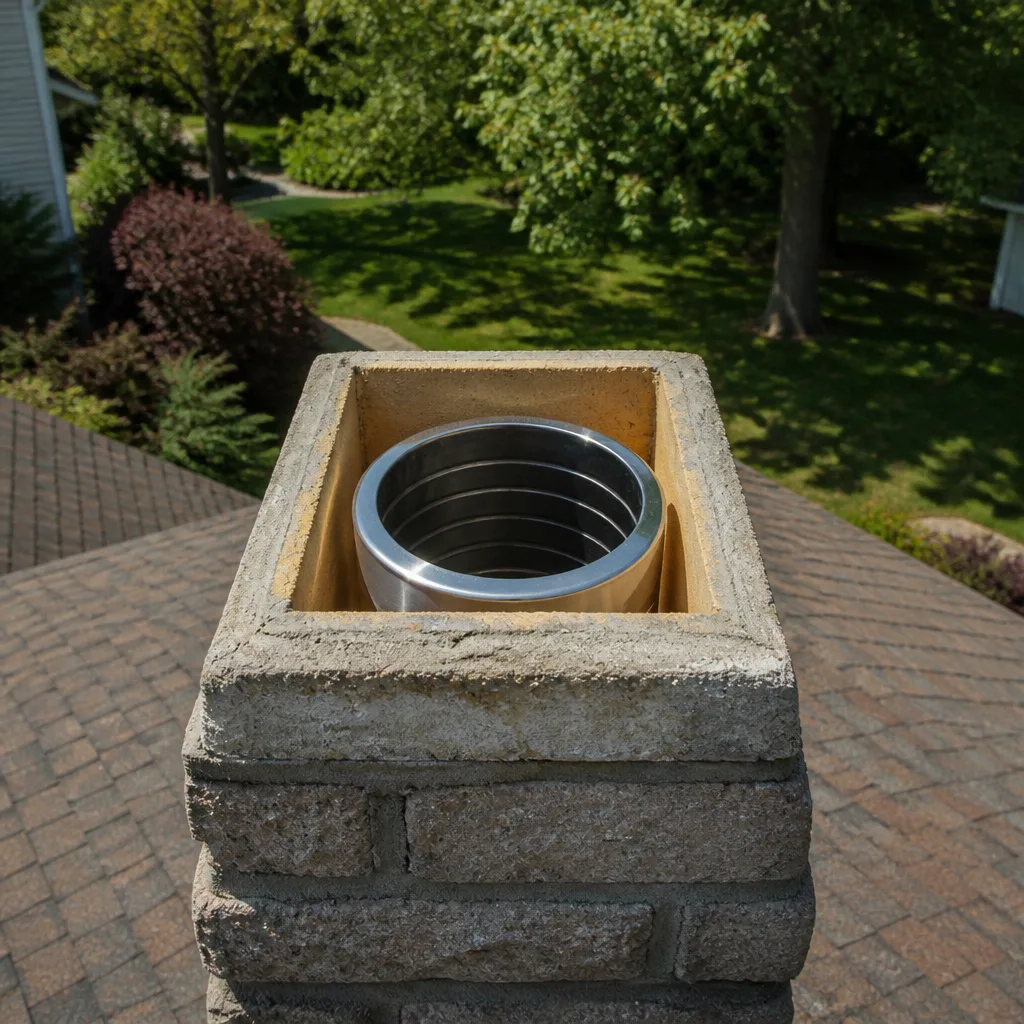 Flue relining
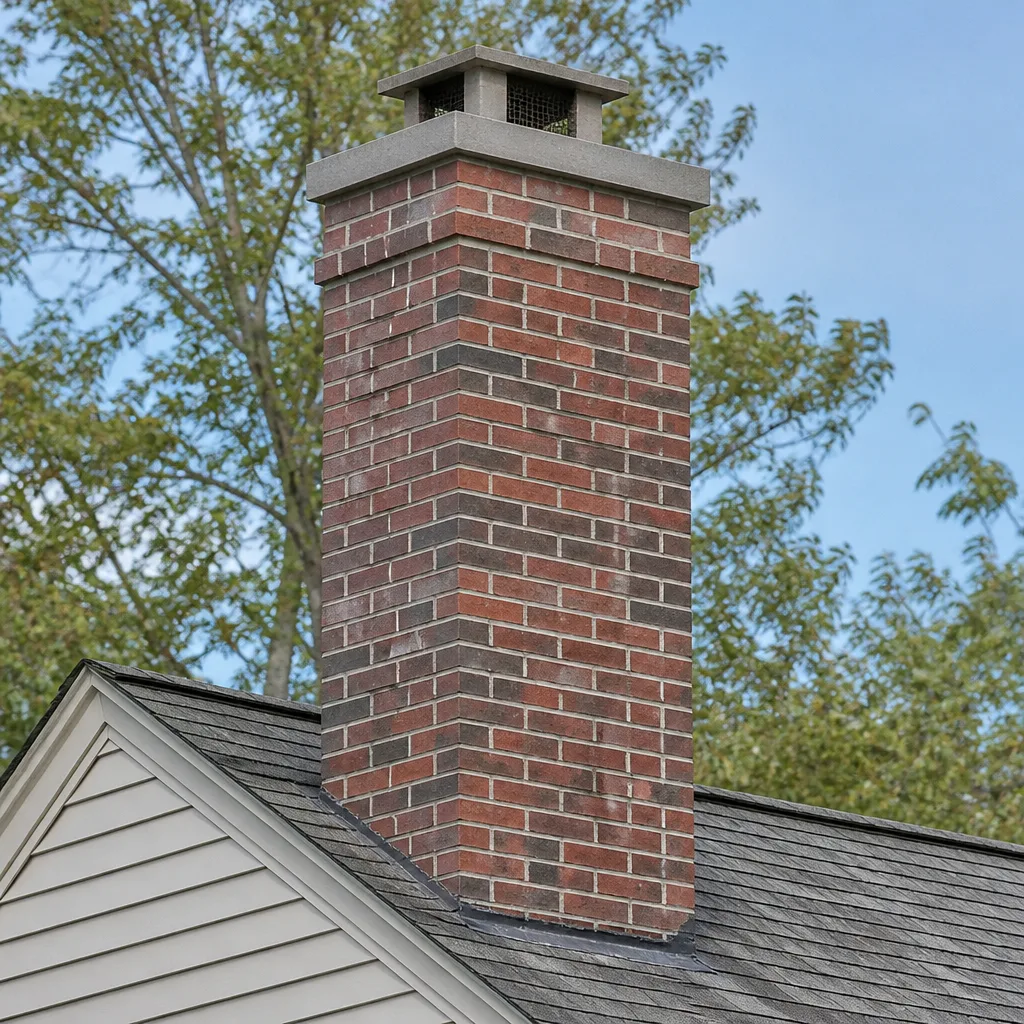 Masonry repair
 Gas fireplace service
Level 1 sweep and inspection to the NFPA 211 annual standard - flue, crown, cap, and flashing checked and photographed
Chimney sweep logs do not sweep chimneys. They loosen some creosote - which then falls where a brush and vacuum still have to collect it.
DIY vs Professional Chimney Cleaning: The Orem Homeowner’s Decision Guide
Most homeowners who ask us about DIY chimney cleaning are not trying to save money on a brush. They’re trying to figure out whether the job they can physically do with a kit from the hardware store is the same job a professional does with a camera, a HEPA vacuum, and a trained eye. It isn’t. A consumer brush kit was designed for light maintenance on a simple, straight flue; it was never engineered to detect glazed third-degree creosote, hairline cracks in a liner, or an offset section where the brush passes clean but combustion gases are still leaking. This guide walks Orem homeowners through exactly what a DIY sweep can and cannot accomplish, what the containment problem is, and how to decide, based on your own flue type and burning habits, which path is safe for your chimney system.
Quick Answer
A DIY brush and rod kit can remove light, powdery first-stage creosote from a short, straight, easily accessible flue. It cannot safely handle glazed second- and third-stage creosote, flues with offsets or liner transitions, most wood-insert installations, or any job that requires documentation for insurance or a home sale. If your flue is simple and your buildup is light, a supervised DIY sweep is viable. For anything else, professional cleaning in Orem is the right call.
Styles & brands we work with
- Sweep & inspection
- Caps & crowns
- Flue relining
- Masonry repair
- Gas fireplace service
Table of Contents
- What a Consumer Brush Kit Can and Cannot Remove
- The Containment Problem: Why DIY Soot Travels
- Flue Types Where DIY Access Fails or Causes Damage
- The Documentation Gap and Why It Matters in Orem
- How Orem’s Winter Burning Season Shapes Buildup
- A Decision Framework for Orem Homeowners
- What a Professional Sweep Actually Involves
- Common Mistakes to Avoid
What a Consumer Brush Kit Can and Cannot Remove
Creosote forms in stages, and the stage determines whether a brush will actually do anything. This is the chemistry fact most DIY guides skip, and it’s the single most useful thing to understand before you buy a kit.
Stage 1 – powdery, flaky soot. This is what accumulates after a few weeks of burning dry, well-seasoned wood in a hot fire. It’s light and brushes off easily. A consumer kit with the correct-diameter brush can remove this from a straight, accessible flue.
Stage 2 – crusty, flaky, and hard. This happens when fires burn cooler or the wood has higher moisture content. The creosote fuses into a brittle crust that clings to the flue wall. A stiff brush will knock some of it loose, but much of it stays bonded to the liner and requires professional rotary tools, chemical treatments, or both.
Stage 3 – glazed, hard, and glassy. This is the dangerous stage. It looks like a shiny, tar-like coating baked onto the flue wall. A brush slides over it. Consumer brushes cannot remove it, and it’s the stage most closely associated with chimney fires because it’s dense, highly combustible, and concentrated. Only specialist methods, sometimes including purpose-built rotary cleaning heads, will remove glazed creosote without damaging the liner beneath.
Here’s the practical takeaway for Orem homeowners: if you don’t know which stage your flue has reached, you can’t know whether your brush kit is appropriate. Glazed creosote doesn’t look dramatically different from a normal dark flue to an untrained eye, and it’s exactly the condition a consumer kit is least equipped to address. You can see what a professional-grade toolset is designed to handle on our chimney sweep page.
The Containment Problem: Why DIY Soot Travels
Here’s the part homeowners rarely anticipate. Chimney soot isn’t dust. It’s a fine, oily, carbon-rich powder that can travel through a house on air currents and settle into carpet fibers, upholstery, and vents. When a professional sweeps, the entire job is contained with a negative-pressure HEPA vacuum and sealed plastic at the firebox opening, so the chimney system stays at lower pressure than the room and soot can’t escape.
A homeowner brushing from the roof or through the firebox has no such containment. The moment the brush disturbs the buildup, air moving through the house pulls fine soot inward. Common results of a DIY sweep without containment:
- A fine grey film on furniture and windowsills for days afterward.
- Soot tracked through hallways and stairwells on shoes and equipment.
- Soot pulled into HVAC returns, which then distributes it through the house.
- Oily smudges on walls and ceilings that are difficult to clean and sometimes require repainting.
This isn’t a knock on homeowners. It’s physics. The cleaning method itself releases material, and without a way to hold that material in the flue, it goes into the living space. In the tight, well-sealed homes common throughout Orem, that pressure dynamic is even more pronounced, because the house itself is a closed system. If you want a sense of how a contained sweep works end-to-end, the process is laid out on our Orem Chimney Sweep Pros home page.
Flue Types Where DIY Access Fails or Creates Damage Risk
Some chimney systems are physically simple enough that a homeowner can reach the flue with a rod. Many aren’t. These are the configurations we encounter in Orem where DIY cleaning is either impossible or actively risky:
Flues with offsets or bends
An offset is a section where the flue jogs at an angle to route around a structural element. A straight rod-and-brush kit can’t follow the bend. The brush goes in, stops, and passes back out looking clean, while the section beyond the offset stays untouched. Combustion gases keep venting; the creosote keeps building; the homeowner believes the chimney is clean. This is the classic false negative.
Liner transitions
Where a clay tile liner meets a metal liner, or where a section was relined years ago, there’s a joint. A brush can catch and damage the transition, or it can pass over it without cleaning the seam where buildup gathers. Flexible liner systems handle these transitions safely and cleanly because they’re built to follow the flue’s actual geometry.
Wood-burning inserts
An insert sits in front of the fireplace opening and vents into the flue. Reaching the flue properly often requires pulling the insert, which isn’t a DIY task. Brushing from inside without proper access leaves the top of the flue, the smoke chamber, and the area behind the insert uncleaned.
Fireplaces with a smoke shelf and damper
The smoke shelf, a ledge just above the damper, collects soot and debris that a brush never reaches. It’s part of the system, and it’s part of what a professional cleaning addresses. The fireplace repair side of our work regularly starts with cleaning out an area a homeowner couldn’t reach.
The Documentation Gap and Why It Matters in Orem
When you sweep your own chimney, you get a clean flue and nothing else. No record of the flue’s condition. No photos. No measurement of creosote thickness. No notation about hairline cracks in the liner or a crown that’s starting to spall.
That record matters more than most homeowners realize, and it’s the quiet argument for professional cleaning that has nothing to do with capability. Two situations in Orem make it concrete:
- Home sales. Buyers, inspectors, and lenders routinely ask for evidence that the chimney was inspected and maintained. A receipt from a brush and rod kit doesn’t count. A documented professional inspection does. Without one, a buyer’s inspector may flag the chimney as uninspected, which can stall a closing or force a repair credit.
- Insurance claims. If a chimney fire or carbon monoxide event ever occurs, the insurer will ask what maintenance was performed. A formal inspection record showing the chimney was cleaned and assessed is documentation you can hand over. A DIY sweep leaves no such trail. We can work with your insurer, but we can’t create records that don’t exist.
A professional inspection is a written record of what the technician saw, measured, and photographed. It’s not marketing. It’s evidence. For a system that’s tied to fire and venting, evidence is worth having.
How Orem’s Winter Burning Season Shapes Buildup
Orem’s climate shapes creosote in specific ways, and this is where a general national guide won’t help you. The valley sits in a high-desert mountain basin with cold, dry winters and a long heating season. Homes here frequently burn from late autumn into early spring, and that pattern changes the creosote chemistry.
Long, cold, slow-burning fires produce more stage 2 and stage 3 creosote than short, hot fires. When a fire cools down overnight and smolders, the gases condense on the cooler flue wall and fuse. A homeowner burning daily through a cold Utah valley winter is more likely to accumulate glazed creosote than someone burning a few fires a month in a milder climate. That’s a chemistry pattern, not a scare tactic, and it’s the single strongest reason Orem homeowners should know their flue stage, not just the brush they own.
The dry air also drives a secondary issue: crown and masonry cracking. Freeze-thaw cycles, common in the Orem foothills, work on the mortar joints at the top of the chimney, and hairline cracks let moisture in. When you see a small crack in the crown, it’s a signal to get an inspection, not a sign to grab a caulk gun. The chimney repair side of our work exists specifically because small crown and masonry cracks caught early are far cheaper to fix than the liner damage they can cause.
A Decision Framework for Orem Homeowners
This is the framework we walk through with every homeowner who asks whether they can handle cleaning themselves. Match your situation to the categories below.
DIY-viable scenario
- Simple, straight, accessible flue with no offsets.
- Light, powdery, first-stage buildup only (verified by looking with a light and a mirror).
- Short burning season or light use, and the chimney was cleaned recently.
- No insert, no liner transition, standard damper.
- You already have the correct-diameter brush, rods, drop cloths, and a shop vacuum rated for fine soot.
Professional-required scenario
- Glazed, shiny, or tar-like creosote (stage 2 or 3).
- Flue with offsets, bends, or a liner transition.
- Wood-burning insert or a fireplace with a complex smoke chamber.
- Daily or near-daily winter burning.
- Chimney system older than a few decades with no inspection record.
- Any sign of moisture intrusion, cracked masonry, or a damaged crown or cap.
- A home sale, insurance documentation need, or an inspection request on record.
To put it simply: the simpler and cleaner your flue, the more DIY is realistic. The older, more complex, or more heavily used your system, the more you should be booking an inspection. If you’re on the fence and you’re in Orem, book the inspection first. It’s the cheapest way to learn which category your chimney actually belongs in.
What a Professional Sweep Actually Involves
A professional sweep isn’t a bigger version of the DIY job. It’s a different process. Here’s the general sequence, so you know what to expect when you book one in Orem:
- Containment setup. A HEPA vacuum and drop cloths are placed to hold negative pressure at the firebox and protect the room.
- Flue cleaning. Purpose-built rotary tools and brushes matched to the flue’s diameter and material clean the walls of the flue, including the smoke shelf and damper area.
- Creosote assessment. The technician records the stage and thickness of any buildup, which determines the cleaning method.
- Camera inspection. A camera run through the flue shows the condition of the liner from the inside. Cracks, gaps, and transitions are documented with photos.
- Exterior check. The crown, cap, flashing, and masonry are inspected for damage, and the flue is checked from the top.
- Report. You receive a written assessment with photographs and clear recommendations about what needs attention now versus what can wait.
Notice there’s a documentation step baked into the process. The photo report is part of the job, not an add-on. It’s also the piece most homeowners tell us they didn’t expect from a “cleaning” appointment, but it’s the piece that matters most because it turns a chore into a record of the chimney system’s condition over time.
Common Mistakes to Avoid
- Assuming a clean-looking brush means a clean flue. A brush that comes out of an offset flue looking unused doesn’t mean the flue is clean. The section beyond the bend is the one that matters most, and it’s the one the brush can’t see.
- Brushing from the roof without a drop cloth or vacuum. In a well-sealed Orem home, this pulls soot through the entire living space. It’s the single most common downside to DIY cleaning.
- Burning unseasoned wood to save money. Wet wood produces the creosote that requires professional removal. The savings disappear the moment a liner needs repair.
- Sealing a cracked crown with standard caulk. Crown cracks need proper crown material, and the wrong patch traps moisture. This is exactly the kind of repair that should be done with purpose-built products like those from Gelco and Famco.
- Cleaning without inspecting. A cleaning without an inspection reports nothing. If you don’t know the flue’s condition, you don’t know if the next burn is safe.
- Doing a DIY sweep after a chimney fire. A chimney fire can warp a metal liner and crack clay tile. A brush will not reveal either. This situation always requires a professional inspection first.
- Assuming a gas fireplace needs no cleaning. Gas appliances still have a flue that can accumulate debris and still need periodic inspection, even when creosote isn’t the issue.
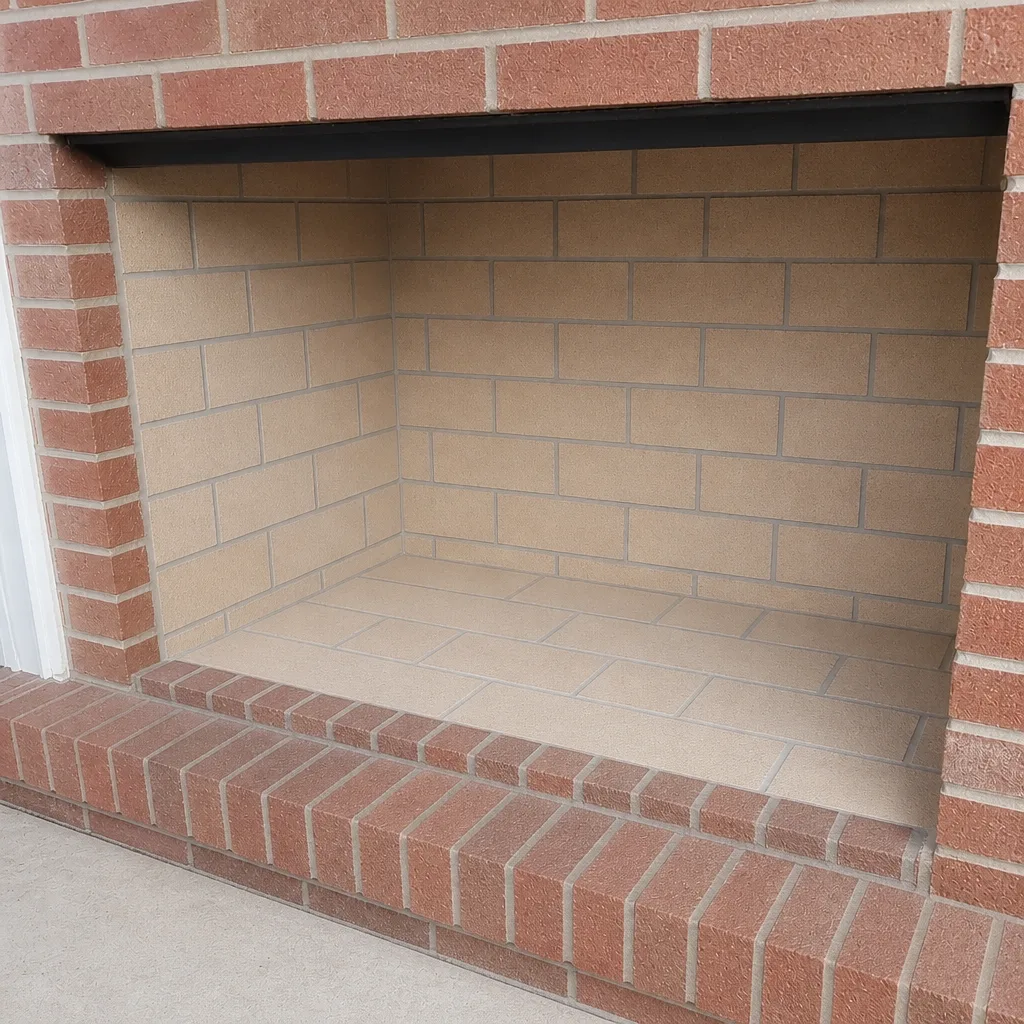
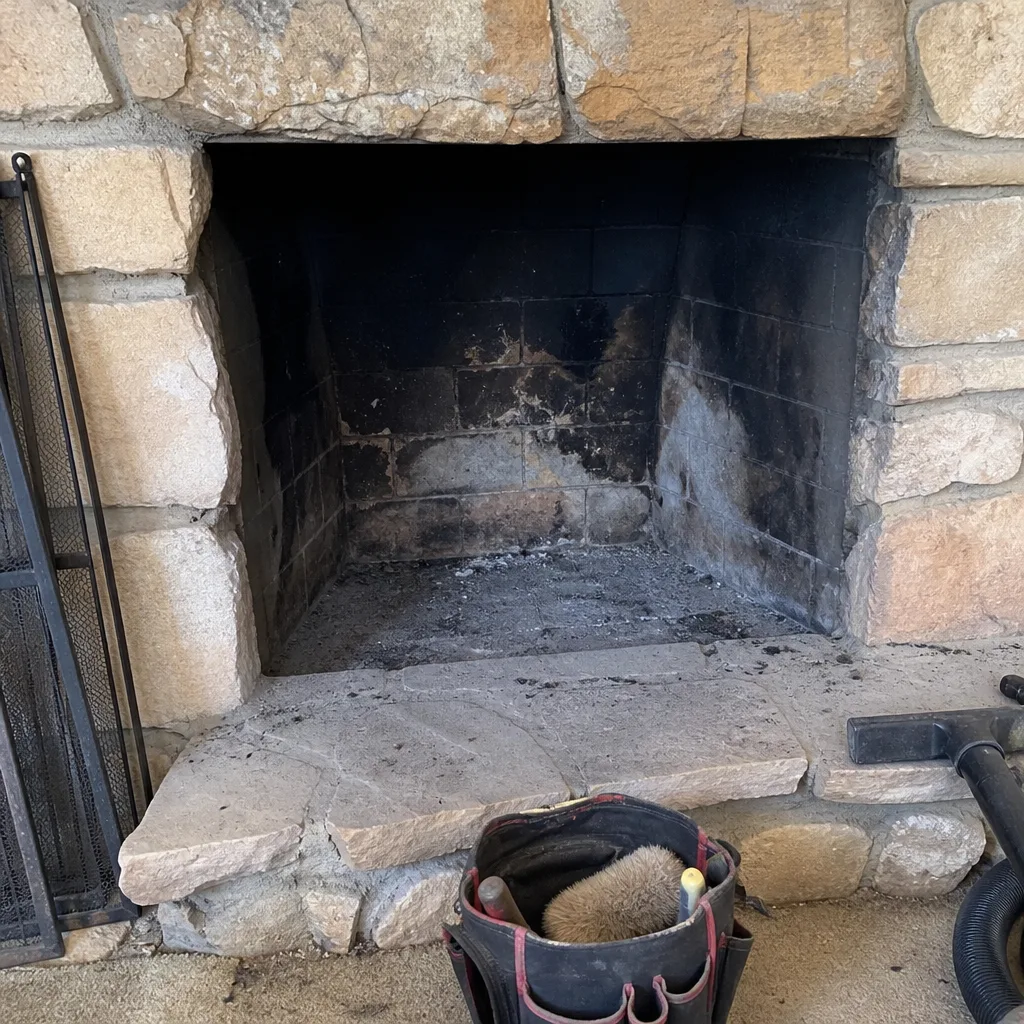
See the difference
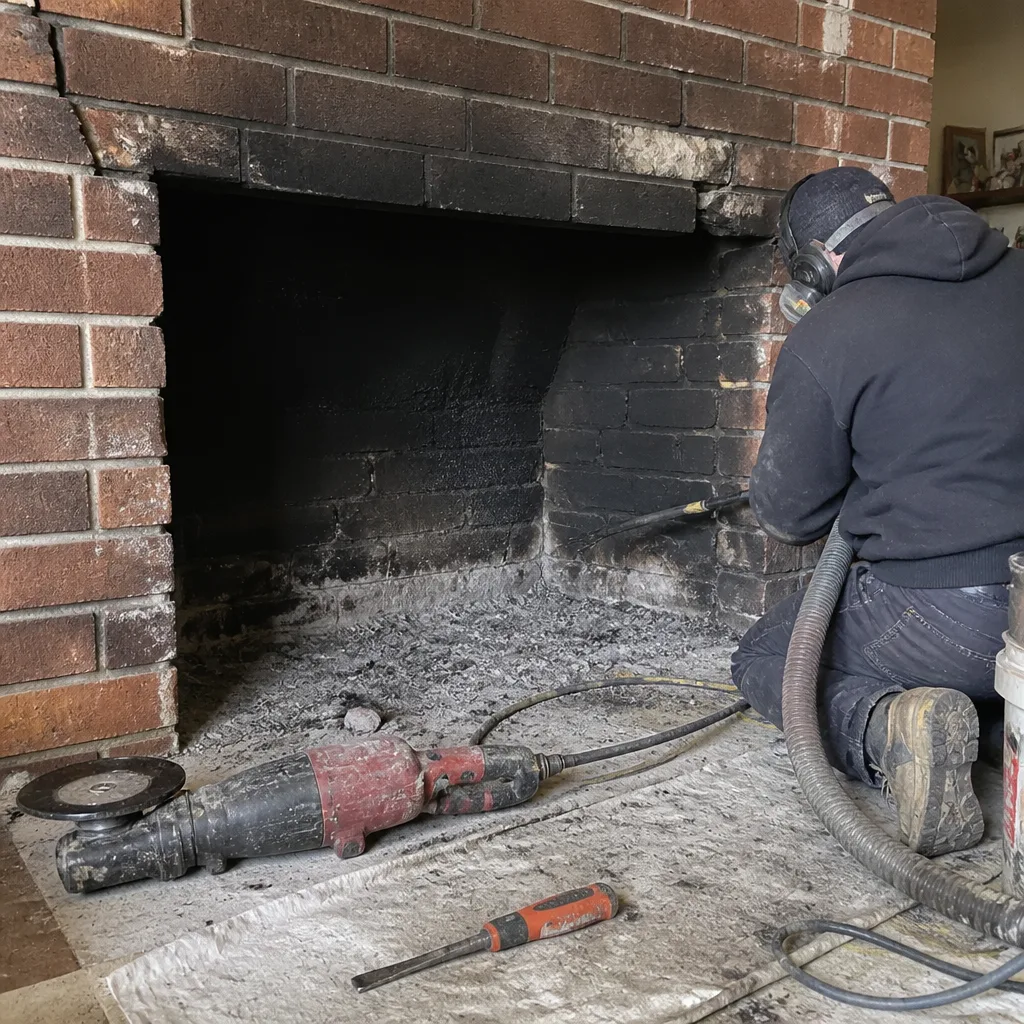 Before
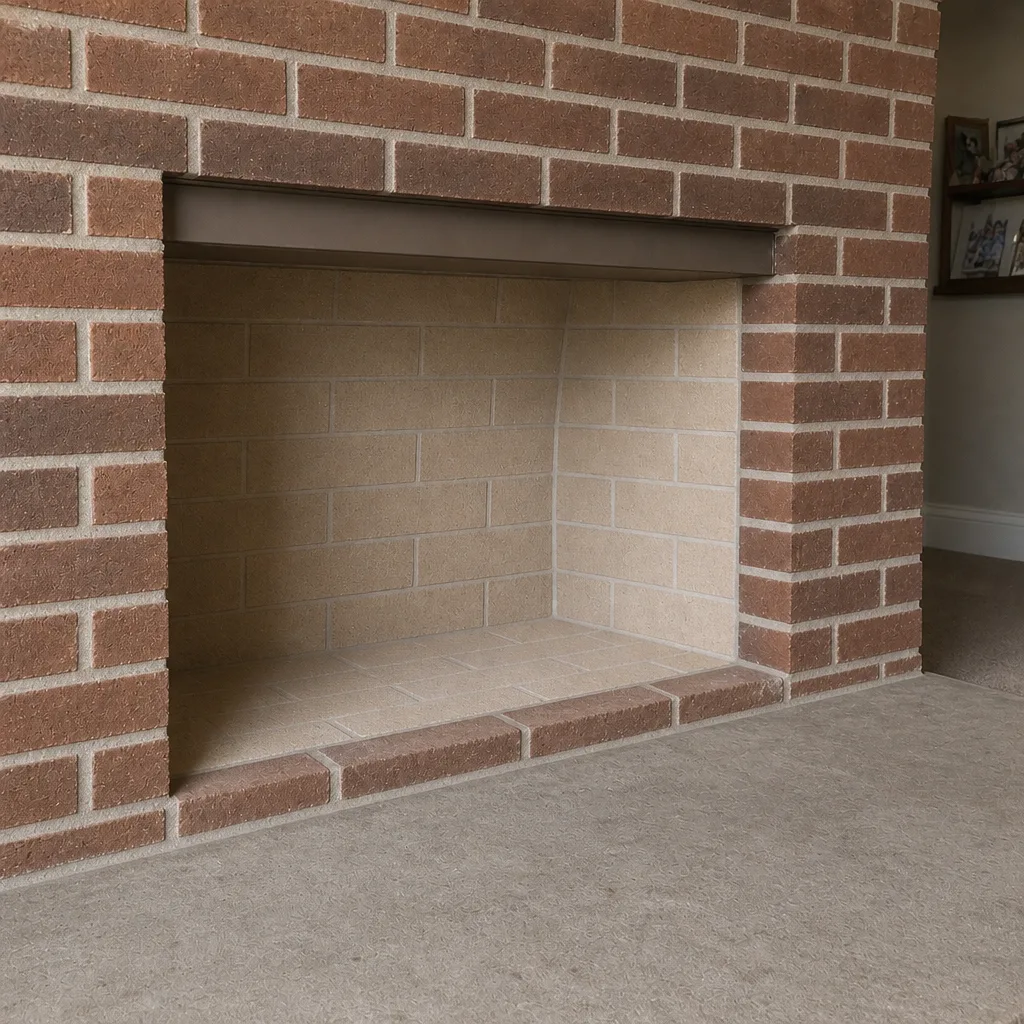 After
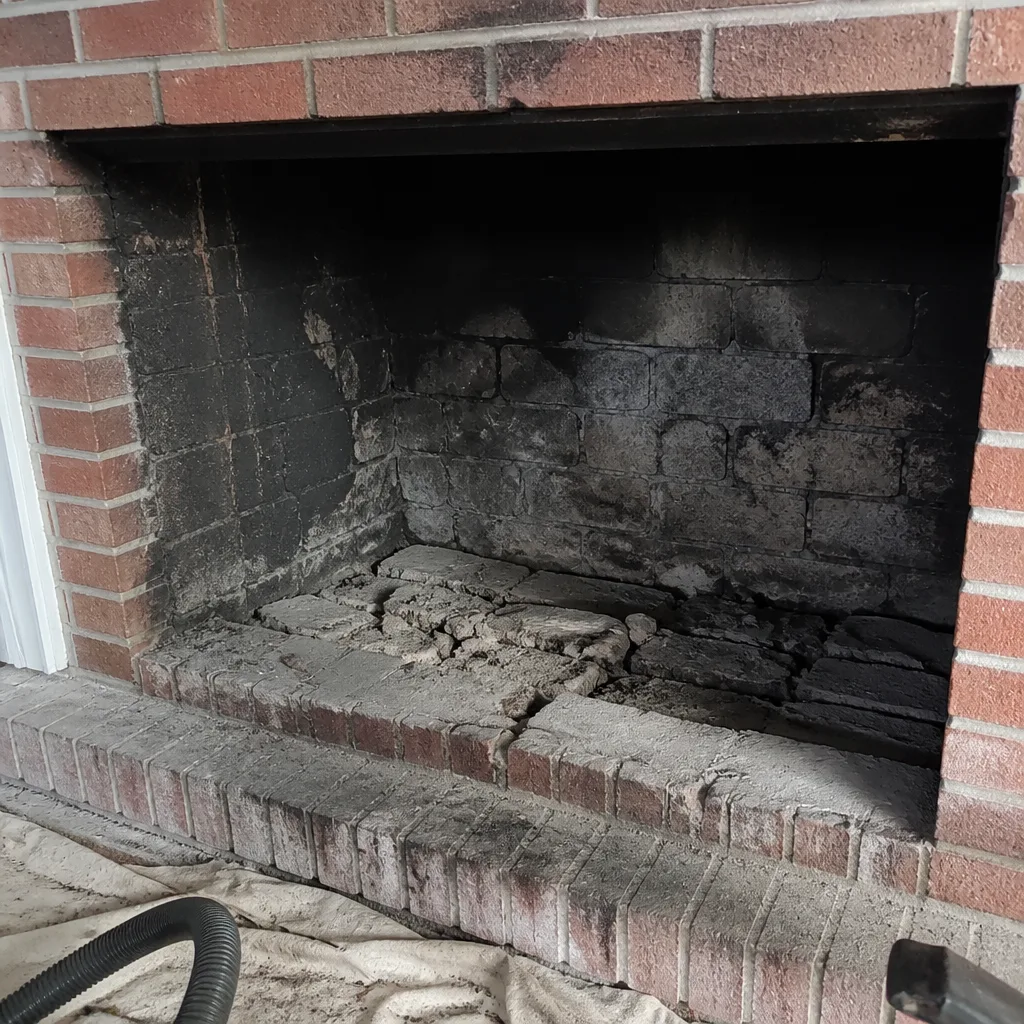 Before
 After
 Before
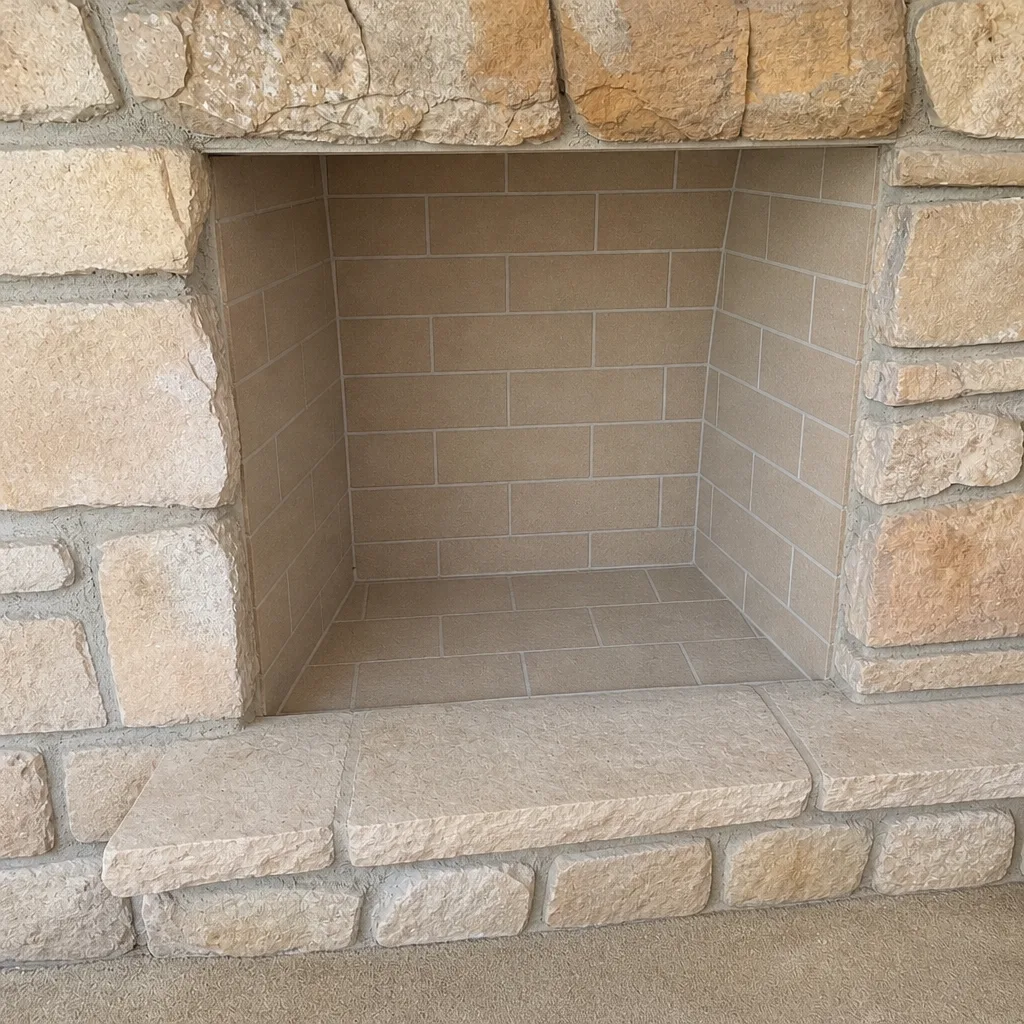 After
When to Call a Professional
Call a professional if you see glazed or tar-like buildup, if your flue has any bend or transition, if you burn daily through the Orem winter, if you’re selling your home, or if it’s been more than a year since the last documented inspection. Call too if there’s any sign of moisture in the chimney, a cracked crown, a loose cap, or a chimney fire in the recent past. These are the conditions where a brush kit stops being useful and a specialist’s tools and training become the responsible choice. Orem Chimney Sweep Pros offers free estimates in Orem – call (877) 523-5597. We answer 24/7. Fast dispatch from 7am to 7pm, Sunday through Friday. The inspection is documented with photos so you can see the condition of your chimney system for yourself.
Frequently Asked Questions
No. A safe cleaning requires the correct-diameter brush, the right rods, and containment equipment. Cleaning a chimney without proper tools is both ineffective and a soot-distribution problem for your home. If you’re going to attempt it, at minimum use a proper kit and understand the containment issue; otherwise, a professional sweep is the right call. Call (877) 523-5597 for a free estimate.
Once a year for most homes, and more often if you burn daily through the winter. That annual sweep is also the ideal time for an inspection, so you get a documented record alongside the cleaning. If you’ve never had a documented inspection, that should be the first appointment. Call (877) 523-5597 for a free estimate.
Creosote accumulates to a thicker stage, and the more glazed it becomes, the higher the risk of a chimney fire or a blocked flue. A blocked flue sends carbon monoxide back into the living space instead of up and out. These are real risks, not scare tactics, and the effort of a scheduled sweep is far lower than the cost of either. Call (877) 523-5597 for a free estimate.
No. Liner cracks are usually invisible from the firebox and cannot be seen from the roof without a camera run through the flue. A professional inspection uses a camera and takes photographs so you can see the actual condition. Without that documentation, a liner crack can go unnoticed through an entire heating season. Call (877) 523-5597 for a free estimate.
Effectively, yes. Buyers, inspectors, and lenders commonly ask for documented chimney maintenance during a home sale. A professional inspection with a written report is generally what satisfies that requirement; a receipt for a brush kit does not. Booking the inspection early avoids last-minute scrambling at closing. Call (877) 523-5597 for a free estimate.
Yes, if your flue is straight and accessible, your buildup is light first-stage creosote, and you already have the right equipment and containment. It’s still worth having a professional inspection at least once a year, because that’s the only way to confirm your flue hasn’t moved into a stage that brushing alone can’t address. Call (877) 523-5597 for a free estimate.
The Bottom Line
The real decision isn’t about whether you can hold a brush. It’s about whether your flue is simple enough and your creosote is light enough that brushing is safe and sufficient. If your chimney has offsets, a liner transition, an insert, or glazed buildup, a DIY sweep passes over exactly the sections that matter most and produces no record of the flue’s condition. For most Orem homeowners burning daily through a cold valley winter, the answer is professional cleaning plus a documented inspection. The cost of the appointment is small next to what a missed liner crack or a chimney fire can do to a home. If you’re unsure which category your chimney falls into, that itself is the answer: book the inspection. Call (877) 523-5597 for a free estimate. We answer 24/7. Fast dispatch from 7am to 7pm, Sunday through Friday.
Written by the team at Orem Chimney Sweep Pros.