
Last updated November 25, 2026
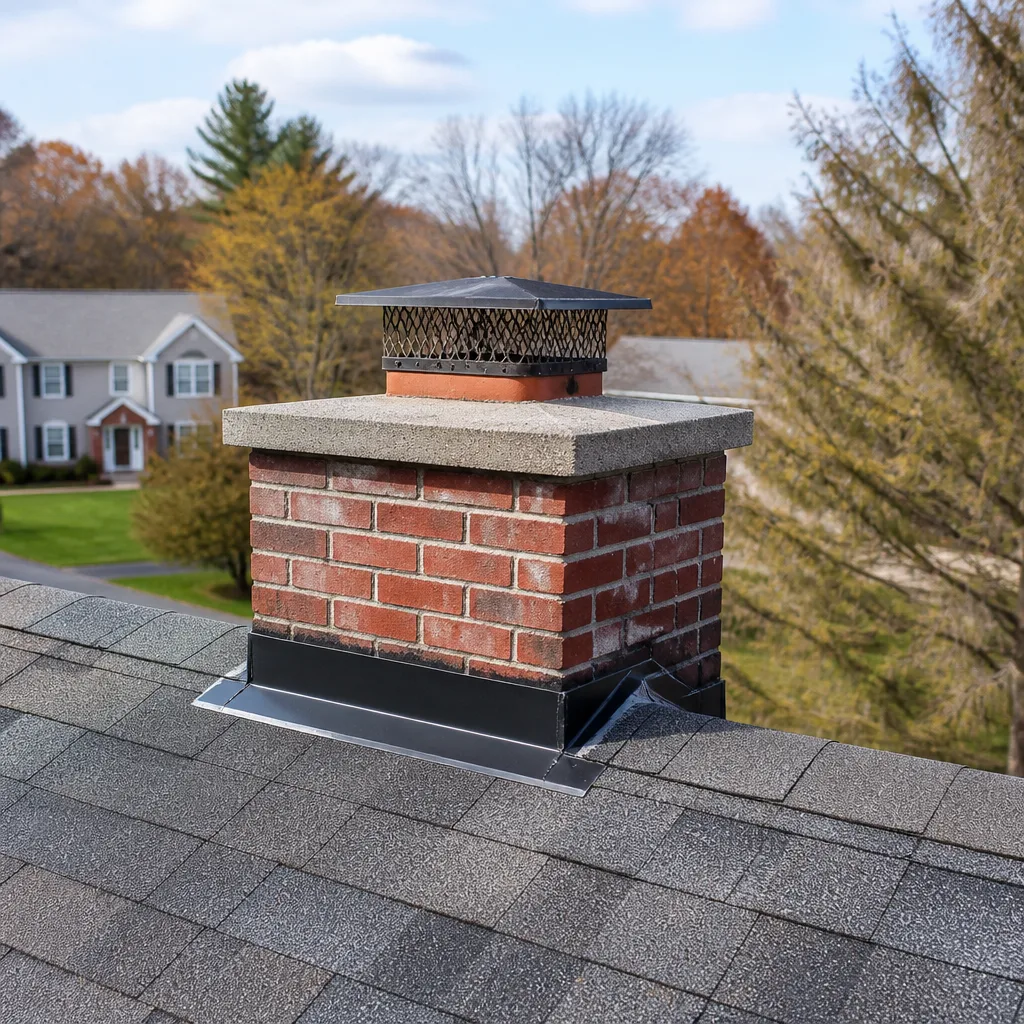 Sweep & inspection
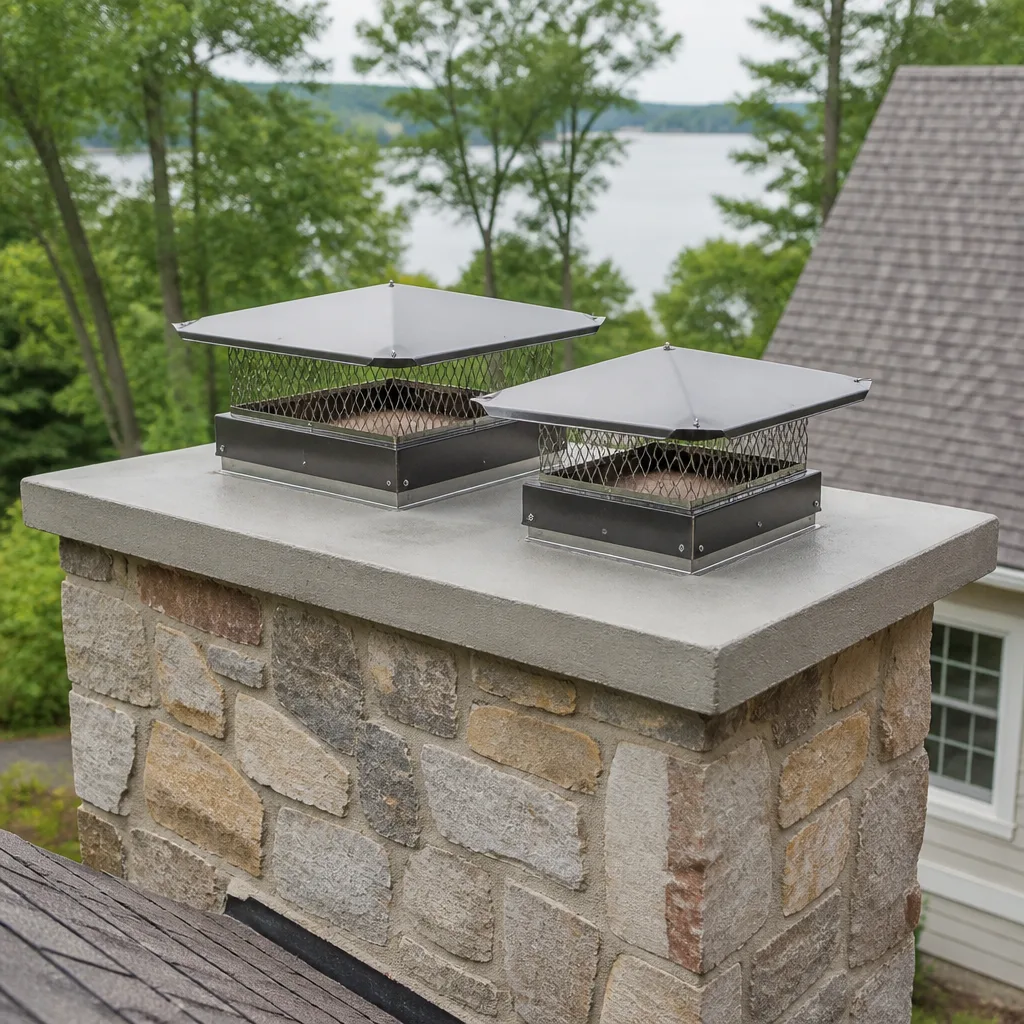 Caps & crowns
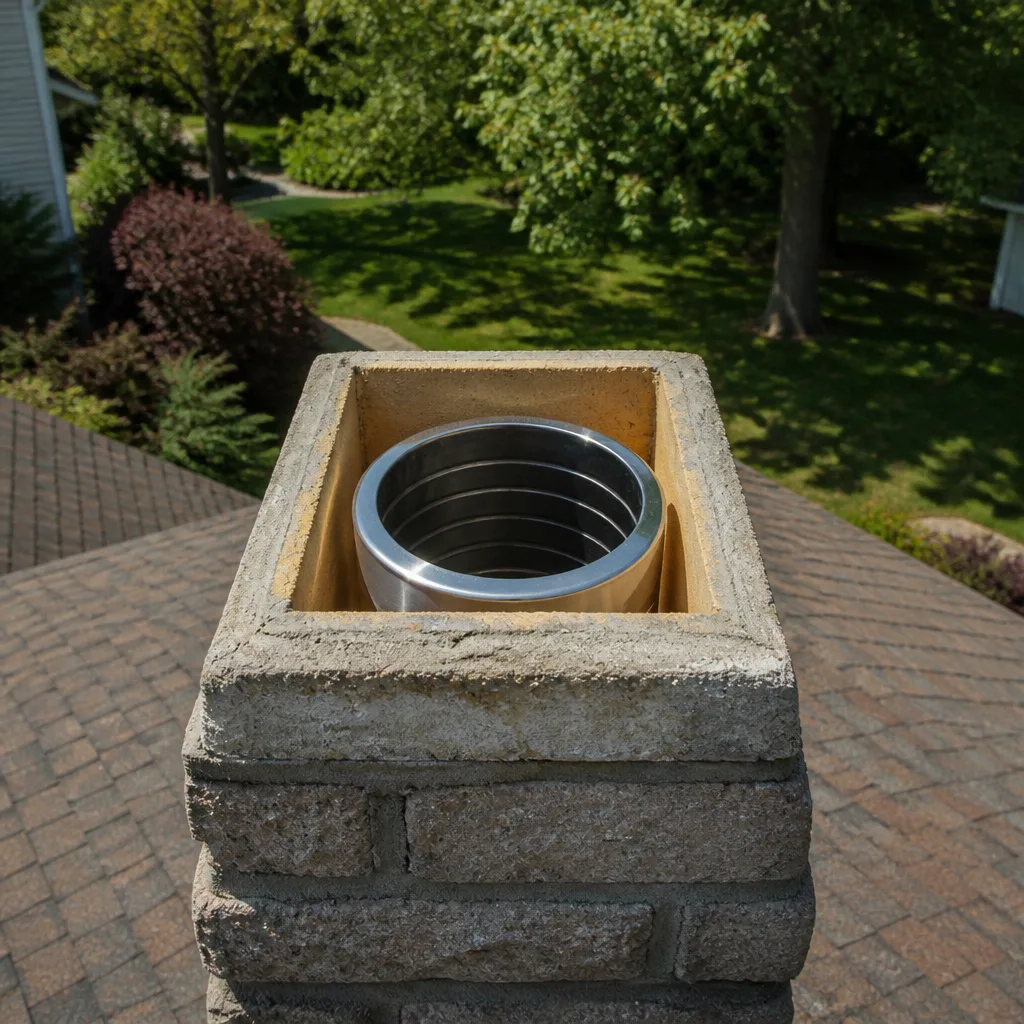 Flue relining
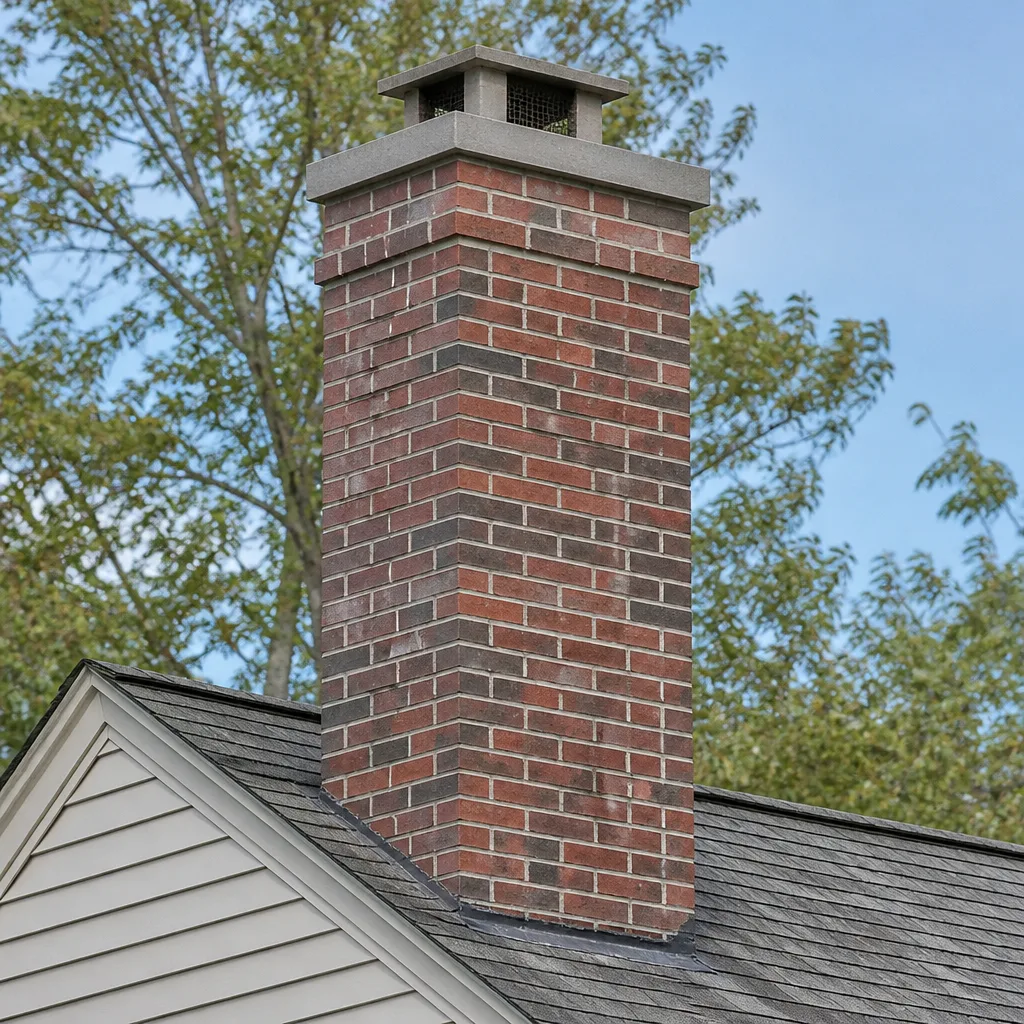 Masonry repair
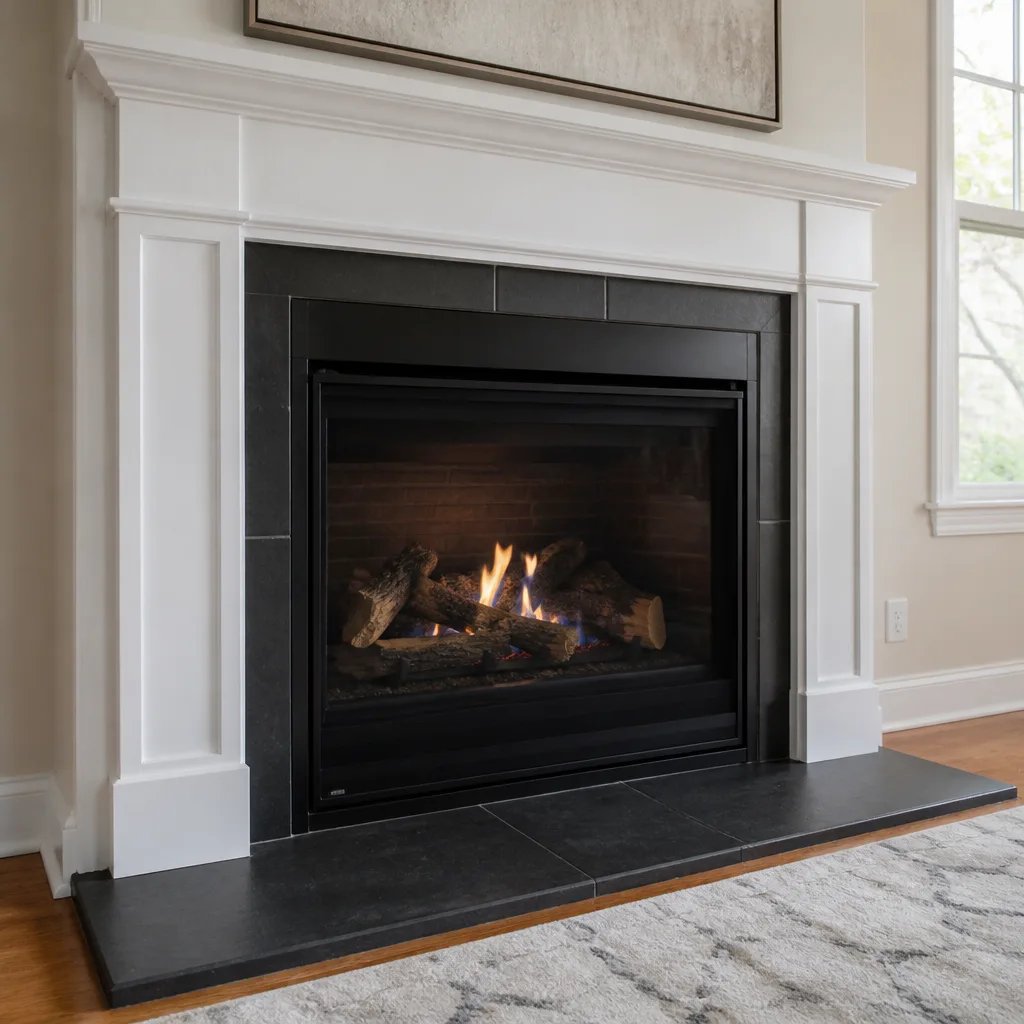 Gas fireplace service
Level 1 sweep and inspection to the NFPA 211 annual standard - flue, crown, cap, and flashing checked and photographed
Chimney sweep logs do not sweep chimneys. They loosen some creosote - which then falls where a brush and vacuum still have to collect it.
Seasonal Chimney Cleaning Care for Orem: Year-Round Homeowner’s Guide
Most homeowners in Orem treat chimney care as a fall chore. Book the sweep in October, burn through the winter, forget the chimney until next year. That calendar misses the season that actually does the most damage. Spring, not winter, is when Orem chimneys take their hardest hits: snowmelt from the Wasatch foothills soaks into mortar that our freeze-thaw cycle has already cracked open, and leftover creosote from the heating season turns tacky against that moisture. The result is a slow, quiet deterioration that runs all summer while everyone is thinking about air conditioners. This guide breaks the year into four maintenance windows, starting with the one most people skip.
Quick Answer
Chimney care in Orem should be spaced across all four seasons, not loaded into one fall appointment. The core sequence is: a post-winter inspection and moisture repair in spring, cap and waterproofing work in summer, a professional sweep and pre-season inspection before the first fire in fall, and warning-sign monitoring through winter. Spreading the work protects the structure and keeps your budget steadier than one big reactive repair. Gas fireplace owners follow the same calendar but watch for different failure modes.
Styles & brands we work with
- Sweep & inspection
- Caps & crowns
- Flue relining
- Masonry repair
- Gas fireplace service
Table of Contents
- Why Orem’s Four Seasons Each Cause a Different Problem
- Spring: Post-Winter Inspection and Moisture Repair
- Summer: Cap Installation and Waterproofing Windows
- Fall: The Pre-Season Sweep and Inspection Checklist
- Winter: Mid-Season Warning Signs to Watch
- The Gas Fireplace Calendar: Same Seasons, Different Failure Modes
- Spreading the Cost: Why Staged Care Beats One Fall Visit
- Building Your Orem Chimney Care Calendar
Why Orem’s Four Seasons Each Cause a Different Problem
A chimney isn’t a passive tube. It’s a system of masonry, liner, cap, crown and firebox, and each component reacts to weather differently. In Orem, that weather swings hard. Late-winter snowmelt cycles through freezing nights and warm afternoons, which is the classic freeze-thaw pattern that widens hairline cracks in mortar joints and crown edges. Summer brings intense dry heat and UV that bakes sealant and cracks rubberized joints. Fall shifts to cooler, often windy conditions that test the cap. Winter is the burn season, when creosote accumulates and the flue gets pushed hardest.
When all the maintenance happens in one season, the other three run unprotected. A cracked crown in April becomes a saturated masonry wall by August. A missing cap in June becomes a nest or a rain-fed flue by October. Spreading the work across the year matches the timing of the damage, and that’s the logic behind our seasonal approach at Orem Chimney Sweep Pros.
Here’s the seasonal risk map, condensed:
- Spring – freeze-thaw damage, moisture intrusion, crown and mortar cracks, leftover creosote
- Summer – UV and heat on sealants, missing or damaged caps, animal intrusion, dry-weather repair windows
- Fall – pre-burn sweep, drafting problems, cap integrity before wind season, inspection for the season ahead
- Winter – creosote buildup, smoke spillback, liner stress, and warning signs you can spot without opening the flue
Utah Valley homeowners who use their fireplace heavily often assume winter is the only season with real stakes. In our experience, the damage that compounds over years starts in the shoulder seasons.
Spring: Post-Winter Inspection and Moisture Repair
Spring is the most damaging season for an Orem chimney, and it’s the one most homeowners ignore. Here’s why. Through winter, the flue has been cycling between hot exhaust and cold outside air, which stresses the liner and lays down creosote. Then snowmelt arrives. Water finds every freeze-thaw crack in the mortar, the crown and the flashing, and once it’s inside the masonry it sits there through the dry months, softening mortar and spalling brick from the inside. The freeze-thaw cycle itself is the culprit: water enters a hairline crack, freezes overnight, expands, and widens it. Repeat that dozens of times in a single spring and small cracks become real openings.
A post-winter inspection right after the last hard freeze catches this before it compounds. The inspection focuses on four things:
- Crown condition – the concrete or mortar top that sheds water off the chimney. Cracks and gaps here are the most common entry point for moisture.
- Mortar joints and flashing – where the chimney meets the roof, and every joint in the stack above the roofline. Crumbling mortar is a spring flag.
- Liner integrity – cracks, gaps or deterioration in the flue liner, which is where creosote has been sitting against moisture.
- Residual creosote – glazed or sticky creosote at the end of the burn season, before it hardens and before summer heat bakes it on.
If the crown is cracked, it’s the moment to repair or replace it with a purpose-built component. We install Gelco and Famco crowns, which are engineered to shed water rather than patch a crack and hope. Spring is also the right time for a chimney repair assessment if the inspection finds masonry damage, because repair work done before the summer dry spell lasts better.
Summer: Cap Installation and Waterproofing Windows
Summer is the season for anything that involves sealant, coating or a component exposed to weather, because the dry months are when those materials cure and bond properly. Doing cap and waterproofing work in fall, right before the first fire, is common but backwards. Cooler, wetter fall conditions don’t give sealants the same curing window, and you’re racing the burn season instead of getting ahead of it.
Two summer priorities stand out for Orem chimneys:
- Chimney cap installation or replacement. A cap keeps rain, snow, birds and debris out of the flue year-round. A missing or damaged cap is one of the most common summer problems we see, because the flue is wide open through the dry months and animals move in. We install Gelco, Famco and Olympia Chimney caps, selected to match the flue and the crown rather than improvised covers.
- Waterproofing treatment. A breathable masonry water repellent applied in dry weather protects against the freeze-thaw damage that starts in spring. It lets the masonry dry from the inside while keeping new water out, which is exactly what Orem’s swing between wet springs and dry summers needs.
Summer is also the best window for non-emergency repair work that shouldn’t be delayed into the heating season. If spring inspection found a liner that needs resurfacing, coating it in summer gives it time to cure before it’s put back into service. HeatShield ceramic resurfacing is a repair process we offer for deteriorating flues that don’t yet need full liner replacement, and it’s a good example of work best done in the dry months.
Fall: The Pre-Season Sweep and Inspection Checklist
Fall is when the pre-season sweep and inspection happen, and there’s a specific order to getting it right. The goal is to go into the first fire of the season with a cleaned, inspected and verified system. Here’s the sequence we recommend for Orem homeowners, in order:
- Book the chimney sweep first. The flue must be cleaned before it can be properly inspected. A sweep removes soot and creosote so the inspector can actually see the liner and firebox surfaces.
- Get a documented inspection. A professional inspection records the condition of the flue, liner, crown, cap, damper and firebox. A written or photographed record matters because you can compare it year to year instead of guessing.
- Check the damper and firebox. The damper should open, close and seal smoothly. The firebox should be free of cracked brick or loose mortar.
- Verify the cap is secure. Summer storms and wind can loosen a cap. Make sure it’s in place before the heating season starts.
- Test the draft before the first real fire. A cold flue can be slow to draft. A small test burn confirms smoke goes up, not into the room.
- Address any repair items from the inspection. Liner or masonry repairs flagged in the fall inspection should be done before heavy burning begins, not left until mid-winter.
- Confirm your smoke and carbon monoxide detectors are working. This isn’t chimney work per se, but it’s the last line of defense for any wood-burning system, and it belongs on the fall list.
Fall is also when Orem’s first cold snaps hit, and many people light the first fire before the sweep happens. Booking the sweep before the first cold spell is the single most useful fall habit. Our technicians have up to 12 years of experience, and the fall backlog is real, so earlier is better.
Winter: Mid-Season Warning Signs to Watch
Once burn season starts, you don’t need to open the flue to cold air to know whether something’s wrong. Winter maintenance is mostly observation. These are the warning signs Orem homeowners can monitor from inside the house:
- Smoke spilling into the room when the damper is open and the fire is drawing. This can signal a blocked flue, a draft problem or a failing liner.
- A strong, sharp creosote smell that lingers, especially on warmer days. It suggests heavier creosote buildup than a clean flue should have.
- Visible creosote or soot staining around the firebox opening or on the face of the fireplace.
- A sudden drop in draft with no obvious cause. Confirm the cap is still in place before assuming the flue needs work.
- Water stains on the ceiling or chimney breast after a snowmelt or rain, which points to a cap, crown or flashing problem rather than a burn issue.
- Unusual noise from the flue or cap, often an animal or a loose component.
If you burn often, a mid-winter creosote check is worth a call, especially in a cold season with a lot of fires. Creosote buildup is the leading cause of chimney fires, and it accumulates faster with frequent, hot burns. Winter is not the time to open the flue to cold air for a DIY check; a professional can verify buildup and clear it safely.
The Gas Fireplace Calendar: Same Seasons, Different Failure Modes
Gas fireplace owners in Orem follow the same four-season calendar, but the failure modes differ. Gas fireplaces don’t produce creosote the way wood does, so the sweep is less about soot and more about the flue, venting and the firebox. The seasonal logic still applies:
- Spring – inspect venting, the firebox and the flue for moisture intrusion, which is a gas fireplace’s main enemy. A gas flue that’s been cycling through winter can still take on water through a cracked crown or cap.
- Summer – the dry window for cap and waterproofing work. A gas fireplace still needs a proper cap and a dry flue.
- Fall – professional inspection of the firebox, venting and ignition components before the first use. Gas fireplaces don’t need a creosote sweep, but they do need a documented inspection of the flue and termination.
- Winter – watch for delayed ignition, odd odors, or a flame that behaves differently from earlier in the season. Those are signals to stop using the fireplace and get it checked.
For gas fireplace repair, we handle the fireplace side of the system directly; see fireplace repair for what a typical service visit involves.
Spreading the Cost: Why Staged Care Beats One Fall Visit
One of the underrated benefits of year-round care is how it affects your wallet. A single fall appointment tends to become a catch-all: sweep, inspection, plus any surprise repairs that have been silently developing since spring. That’s a big bill all at once. Spreading work across the year lets each season tackle its own category of wear, so repairs stay smaller and predictable.
Staged care looks roughly like this:
- Spring – inspection plus any moisture-related repair (crown, mortar, flashing)
- Summer – cap and waterproofing, plus any liner or resurfacing work best done in dry weather
- Fall – sweep plus documented pre-season inspection
- Winter – monitoring and a mid-season creosote check if you burn heavily
That’s not four big appointments; it’s a rhythm that lets small items get handled before they turn into costly repairs. Spreading the components also means fewer scrambles when a fall slot fills up. Every estimate is free and the price is set per job by a written estimate, so a homeowner can decide what to do now and what can safely wait. We’re clear about that: if the inspection shows something is fine, we say so.
Building Your Orem Chimney Care Calendar
Here’s how a full year of chimney care looks for a typical Orem home. Adjust for how heavily you burn and whether the fireplace is wood or gas.
- Late winter / early spring – schedule the post-winter inspection. Focus on crown, mortar, flashing, liner and residual creosote.
- Spring – carry out any moisture-related repairs the inspection flagged. Get the crown and flashing secure before summer.
- Summer – install or replace the cap and apply waterproofing during the dry window. Complete liner resurfacing or repair work if needed.
- Early fall – book the sweep before the first cold snap. Get the documented inspection that clears the system for the season.
- Fall – test draft, verify the cap, check the damper and firebox, confirm detectors.
- Winter – monitor the warning signs. If you burn heavily, get a mid-season creosote check.
We’ve found that homeowners who follow this rhythm avoid the fall pile-up and the spring moisture surprise. The whole system gets attention at the moment each component is most exposed. Nothing is recommended without a documented inspection you can see for yourself.
Common Mistakes to Avoid
- Only booking one fall appointment. A single fall visit handles the pre-burn sweep but leaves spring moisture damage and summer cap problems to compound.
- Skipping the post-winter inspection. Orem’s freeze-thaw cycle makes spring the highest-damage season. Inspecting in fall, after the damage is done, is too late.
- Waiting to waterproof and cap until fall. Sealants and coatings need dry weather to cure. Summer is the right window, not the weeks before the first fire.
- Ignoring a cracked crown. A cracked crown is the most common entry point for water. It costs little to repair early and a great deal to fix after years of intrusion.
- Treating gas fireplaces like wood fireplaces, or vice versa. Gas fireplaces don’t produce creosote the way wood does, but they fail differently. The inspection focuses on venting and the firebox.
- Lighting the first fire before the fall sweep. The flue should be cleaned and inspected before the first real burn, not after.
- Opening the flue for a DIY winter check. Winter checks should be observational. A professional handles the physical inspection.
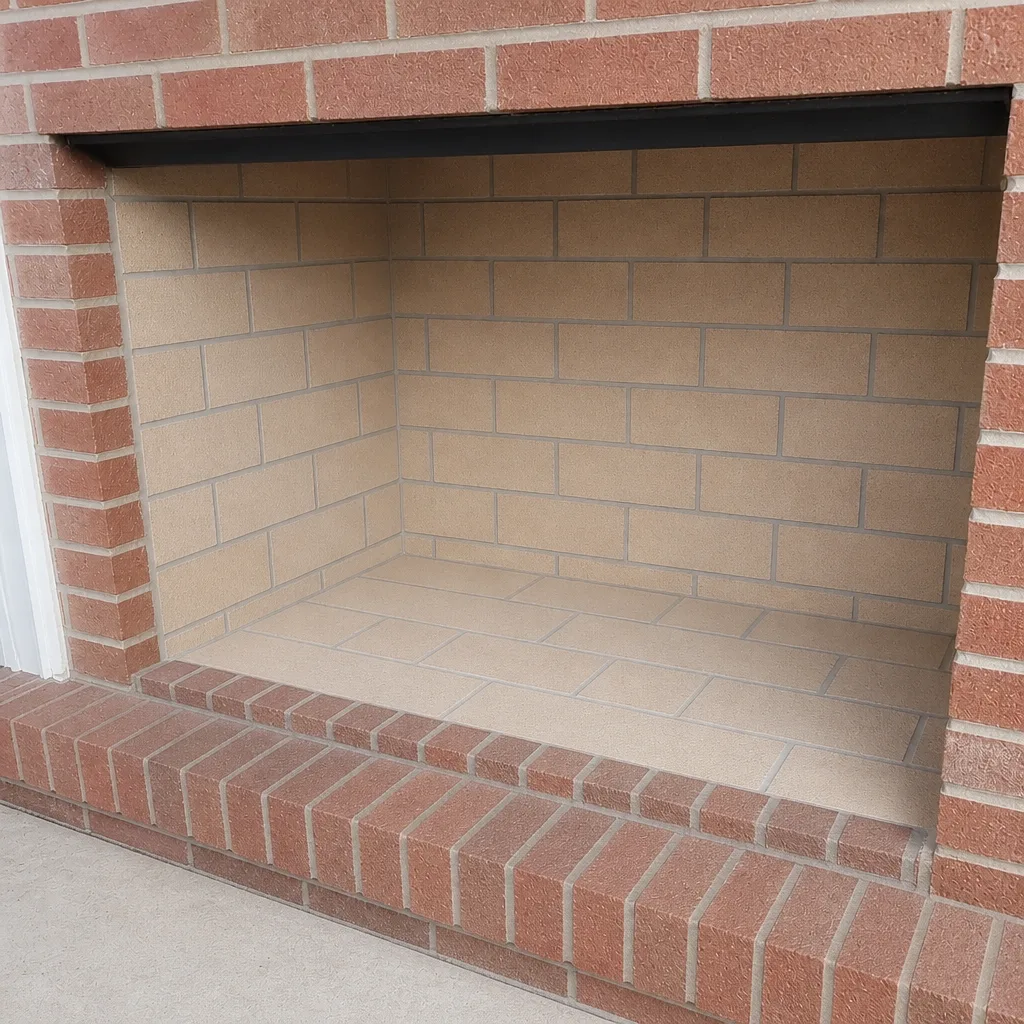
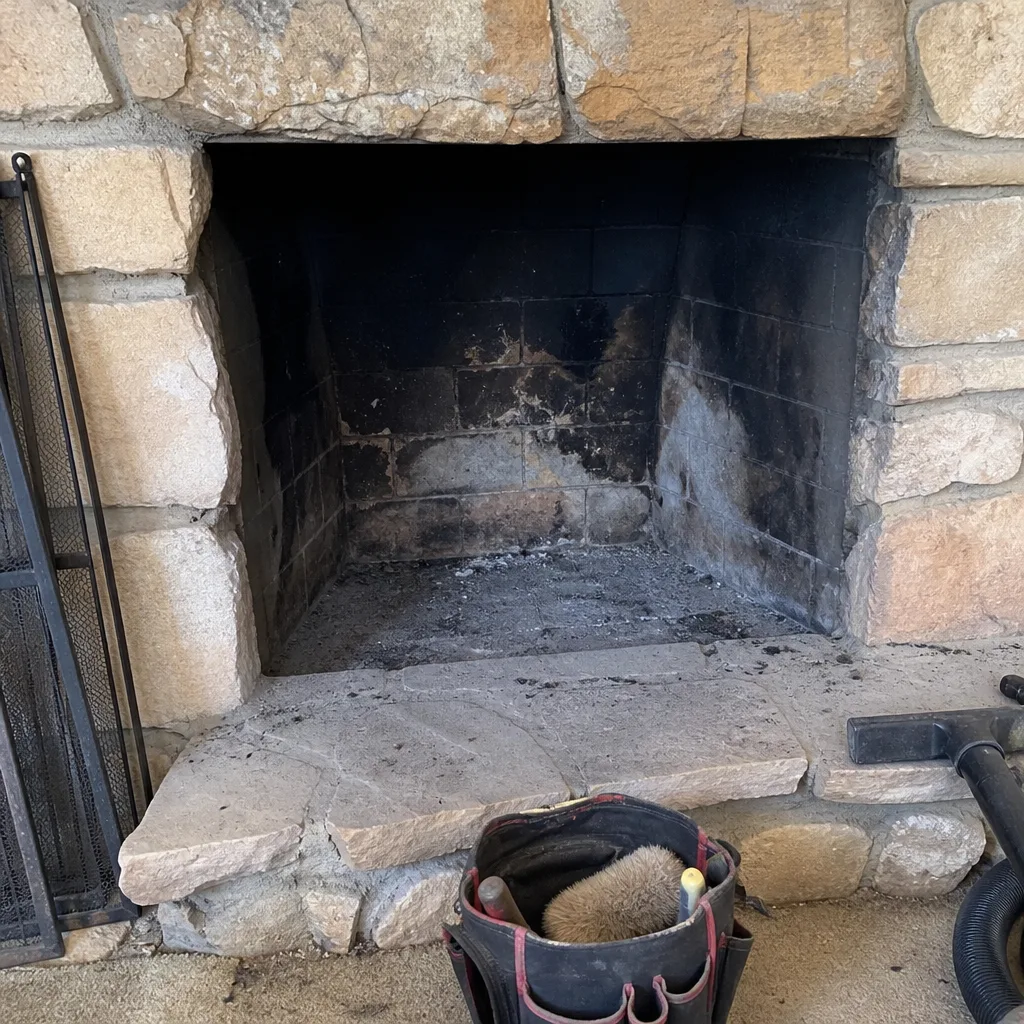
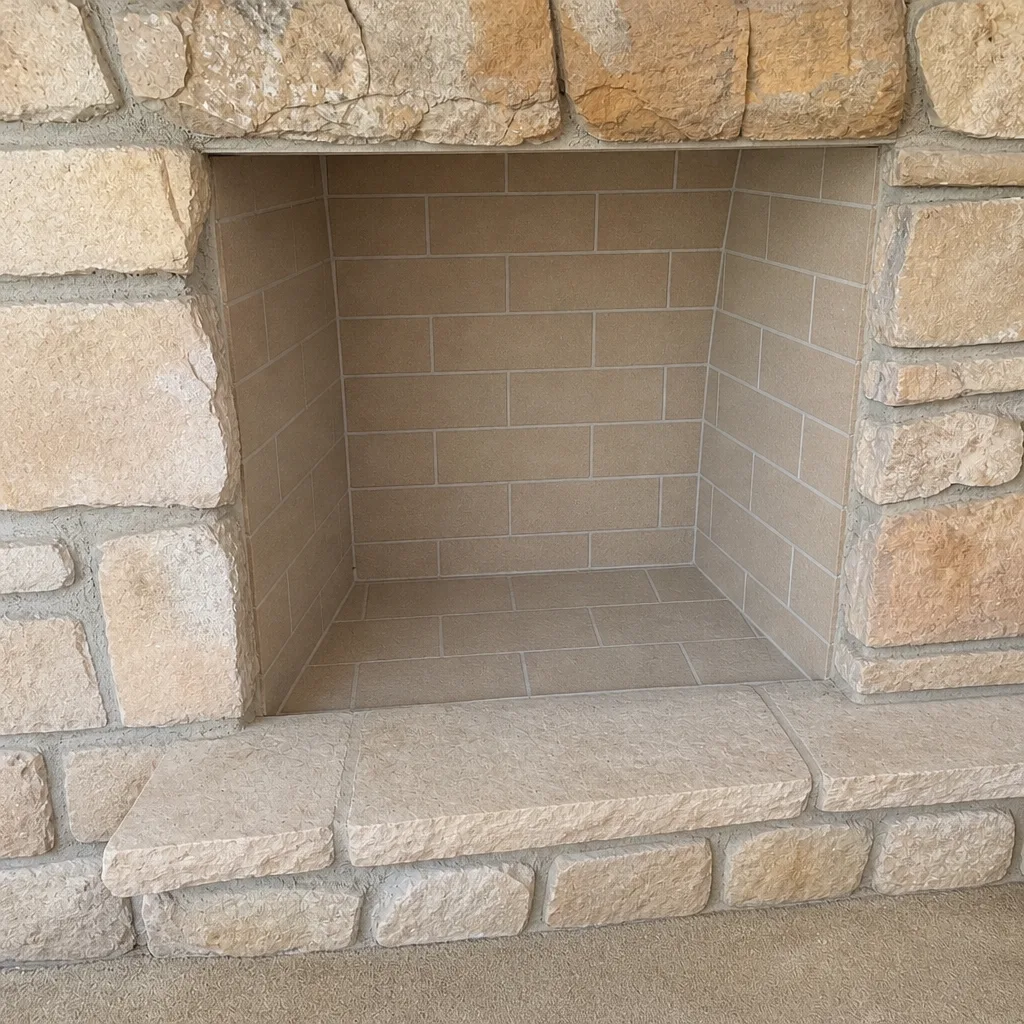
See the difference
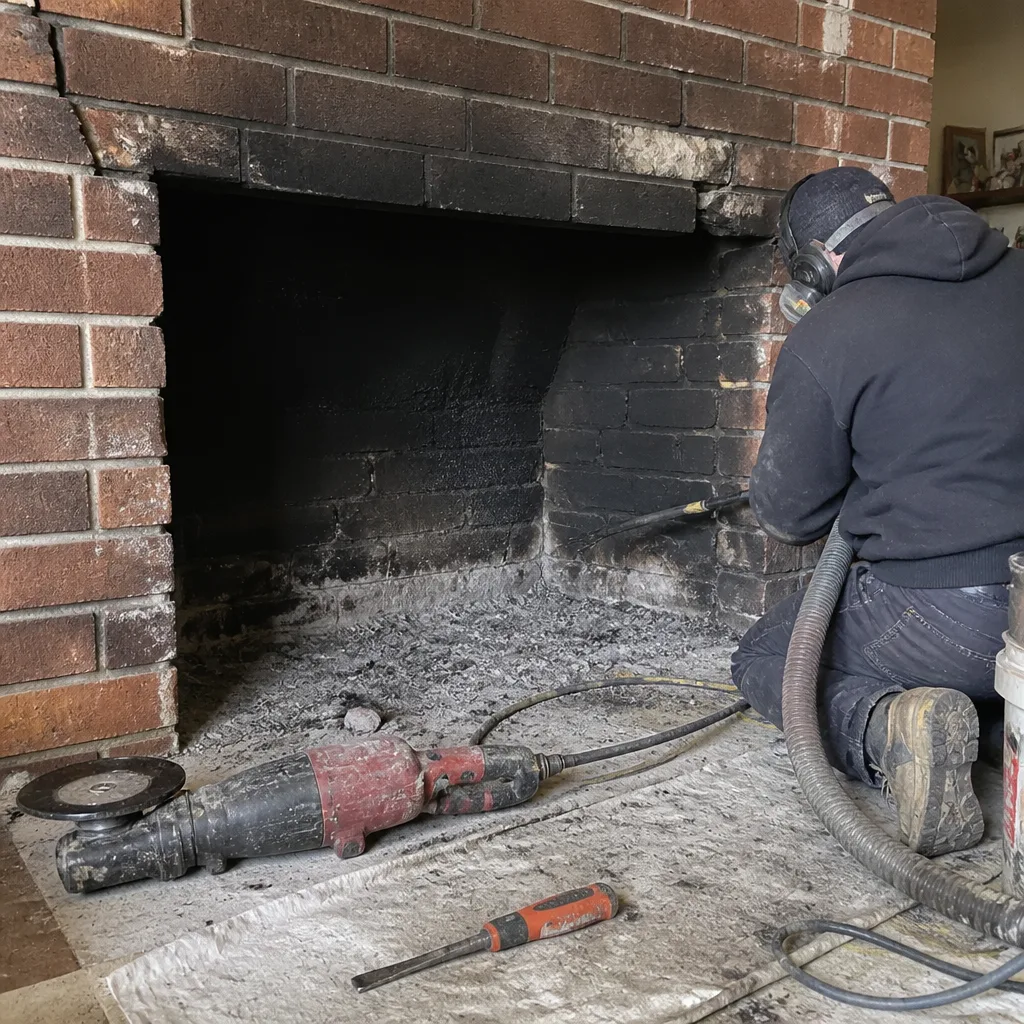 Before
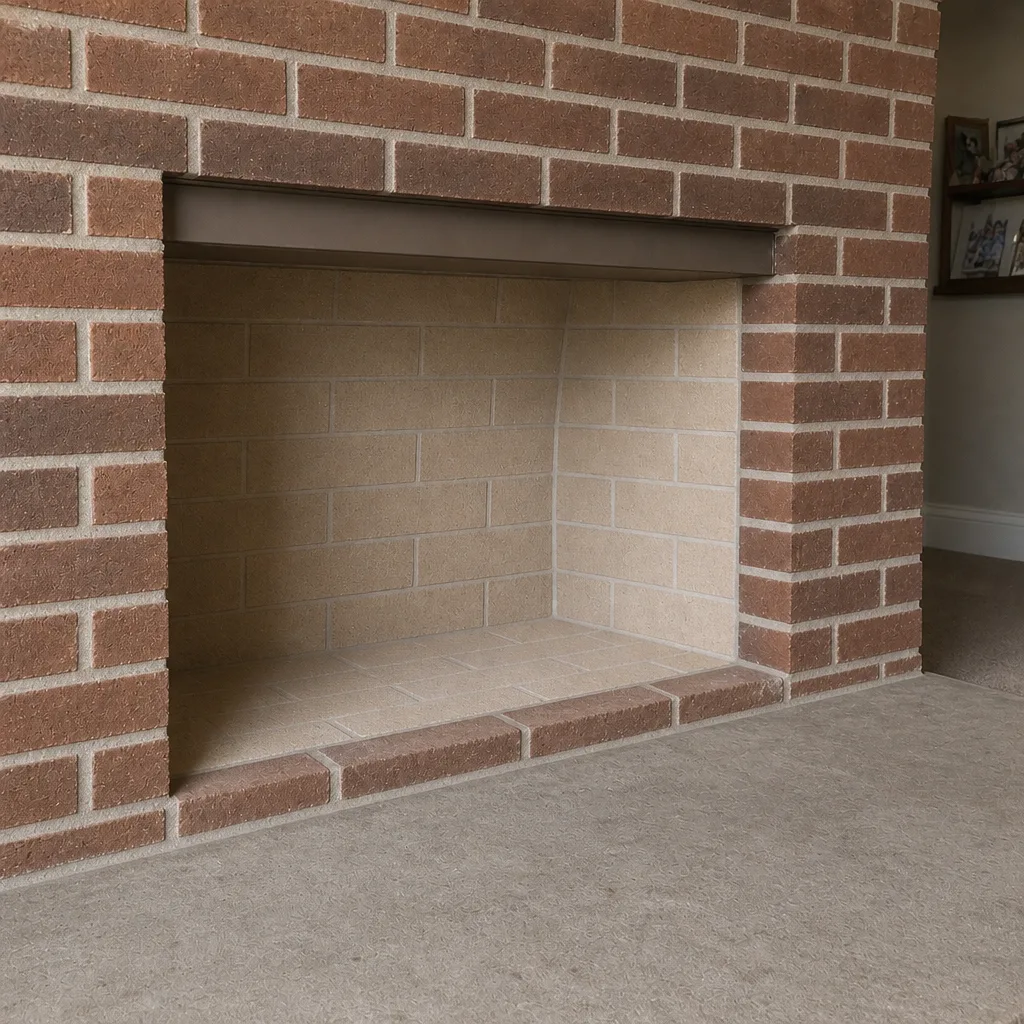 After
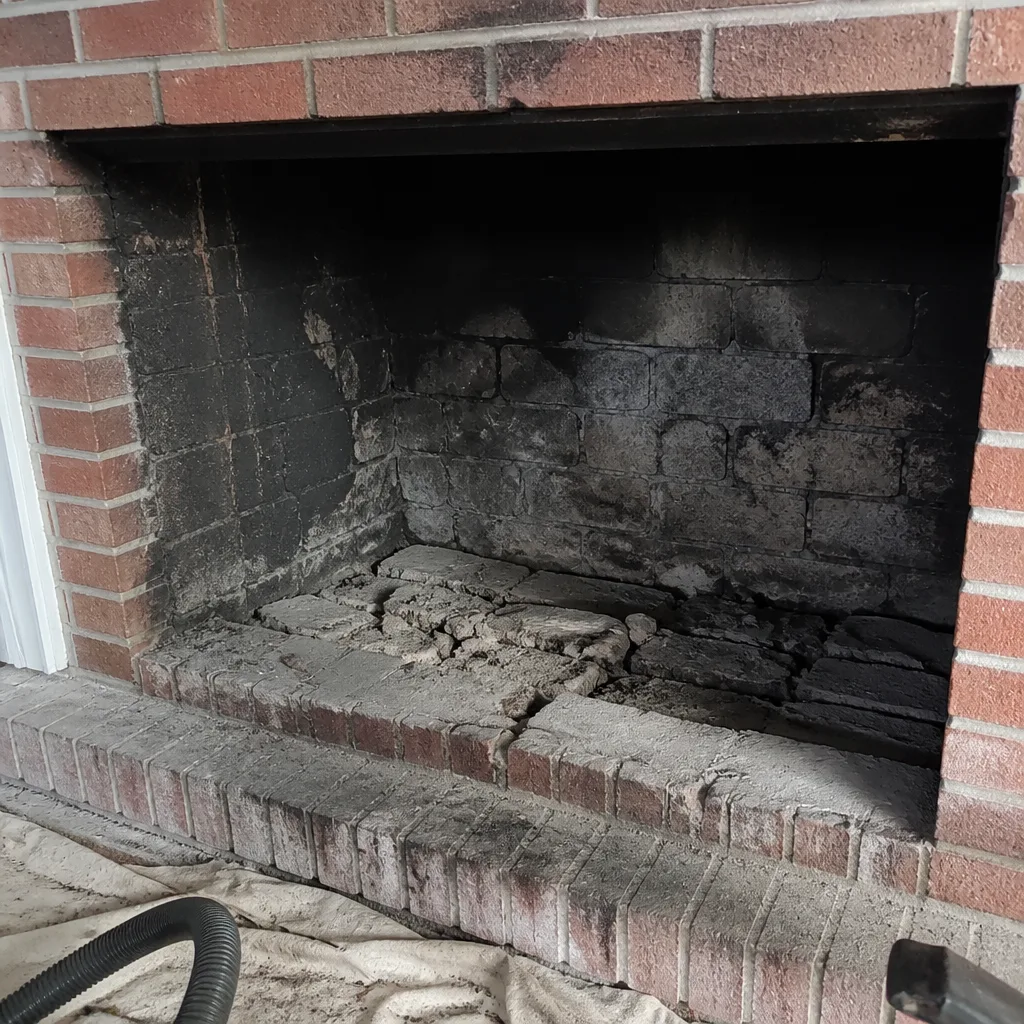 Before
 After
 Before
 After
When to Call a Professional
Call a specialist when you see smoke spilling into the room, a sharp creosote smell on warmer days, water staining around the chimney breast, or staining on the firebox face. Call before the first fall fire if the chimney hasn’t been swept in a while. Call in spring if you didn’t get a post-winter inspection, especially after a heavy snowmelt year. Call in summer if the cap is missing or loose. And call anytime the inspection history is unclear, because a documented inspection answers most of the questions a homeowner can’t check from inside. Orem Chimney Sweep Pros offers free estimates in Orem; call (877) 523-5597. The local pros we connect you with handle the full system, from sweep and inspection to cap and crown, fireplace and chimney repair.
Frequently Asked Questions
Most Orem chimneys should be swept at least once a year, ideally in early fall before the first fire. Homes that burn frequently may need a mid-season creosote check too. The right interval depends on how much you burn and how the flue looks, so a documented inspection sets the real schedule.
Spring combines snowmelt, residual creosote and freeze-thaw-cracked mortar. Water finds the cracks, freezes overnight and expands them, then sits in the masonry all summer. That’s why a post-winter inspection is more useful than a fall-only check. If you skipped it, book one; call (877) 523-5597 for an estimate.
Waterproofing is best done by a professional with the right breathable masonry coating and proper surface prep. A homeowner-applied sealer can trap moisture. The summer dry window is real, but it should be used by a specialist; call (877) 523-5597 to schedule.
Yes, but the failure modes differ. Gas fireplaces don’t build up creosote like wood, so the focus shifts to venting, the firebox, moisture intrusion and ignition. The same four-season calendar applies; only the inspection items change. Call (877) 523-5597 for a documented gas fireplace assessment.
A missing or loose cap shows up as debris in the flue, an animal problem, or water staining after rain or snowmelt. A visual check from the ground helps, but a proper inspection confirms it. We install Gelco and Famco caps; call (877) 523-5597 for an estimate.
A sweep cleans soot and creosote from the flue. An inspection records the condition of the whole system. They’re different tasks, and the inspection is only accurate after the sweep. Call (877) 523-5597 to schedule both in the right order.
The Bottom Line
Orem’s four seasons each create a different category of chimney wear, and the calendar that ignores three of them leaves the system exposed. Spring inspection catches freeze-thaw moisture before it compounds. Summer handles cap and waterproofing work in the dry window. Fall delivers the sweep and documented inspection before the first fire. Winter is monitoring and, if you burn heavily, a mid-season creosote check. Gas fireplace owners follow the same rhythm with different failure modes. Spreading the work protects the structure and keeps the budget steadier than one big fall catch-up.
Call (877) 523-5597 for a free estimate. We answer 24/7. Fast dispatch from 7am to 7pm, Sunday through Friday.
Written by the team at Orem Chimney Sweep Pros.