
Last updated November 25, 2026
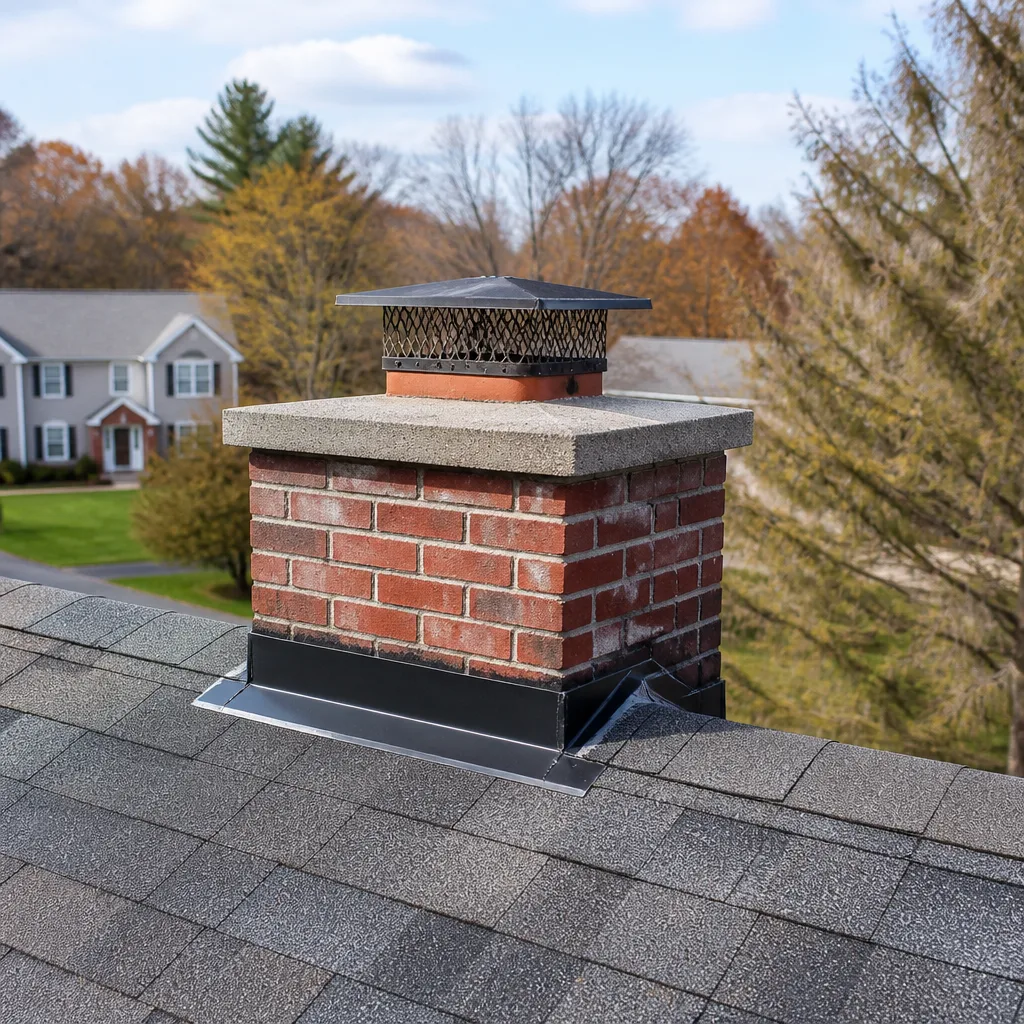 Sweep & inspection
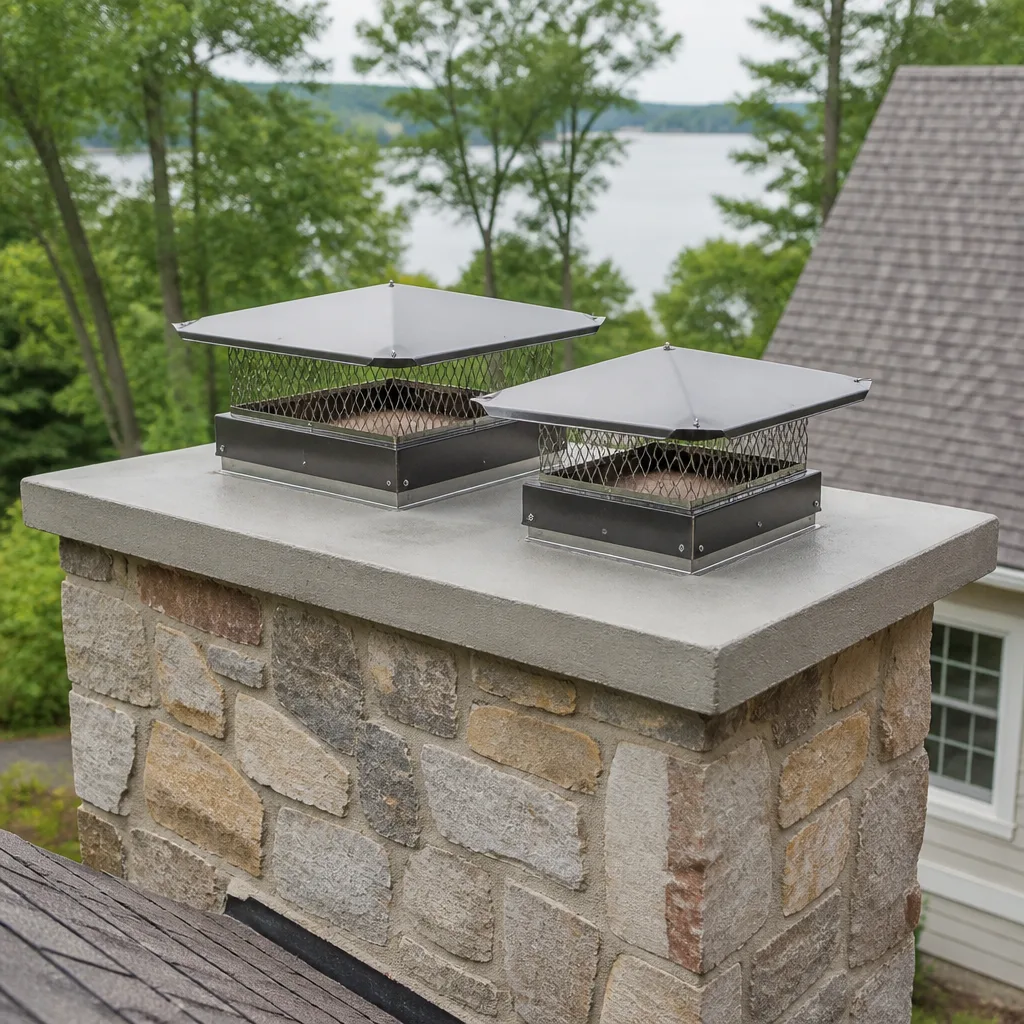 Caps & crowns
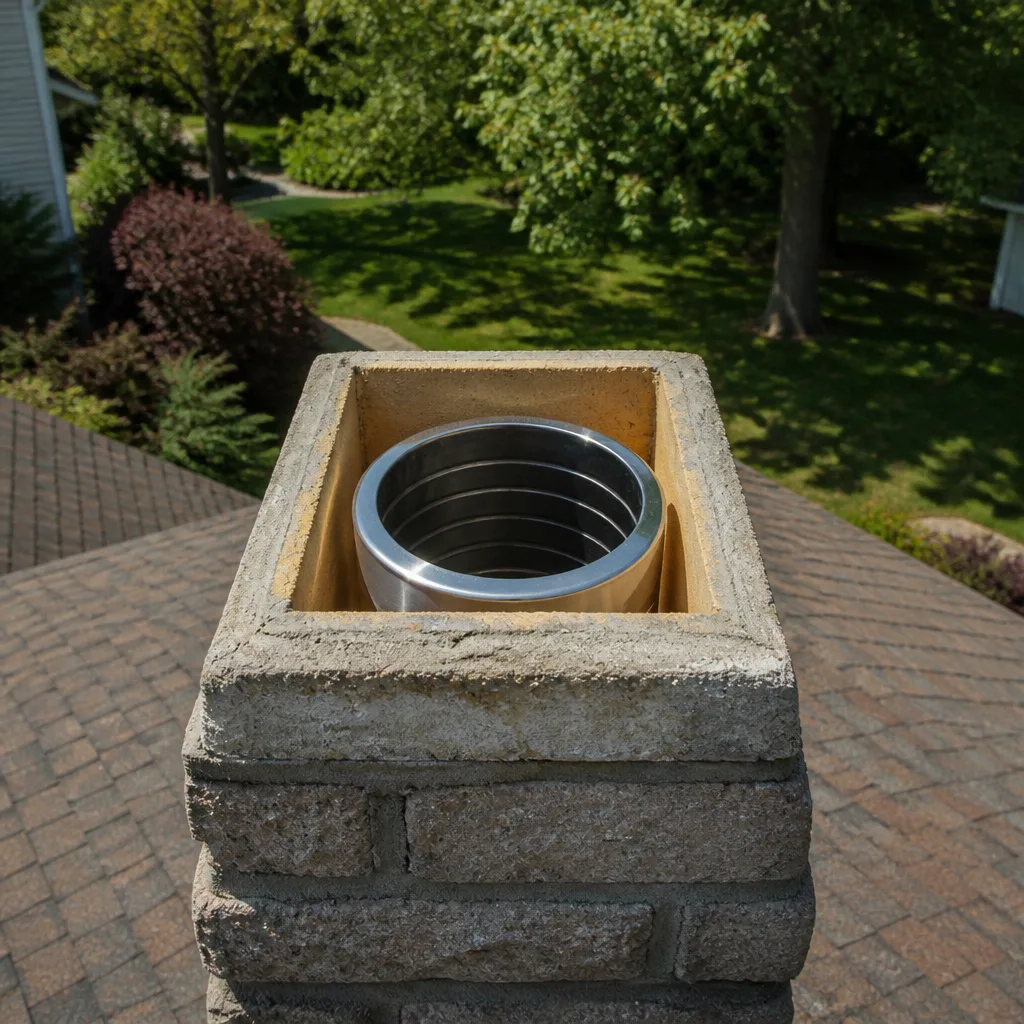 Flue relining
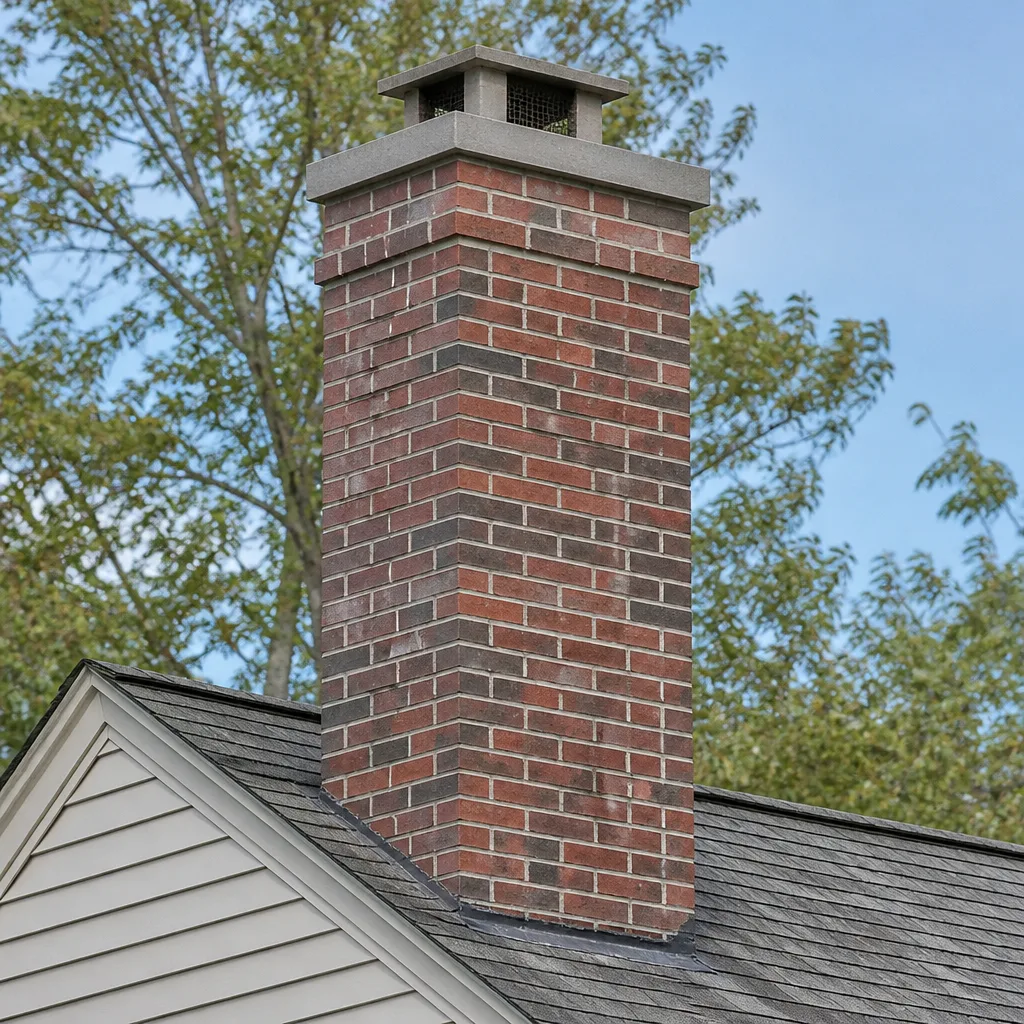 Masonry repair
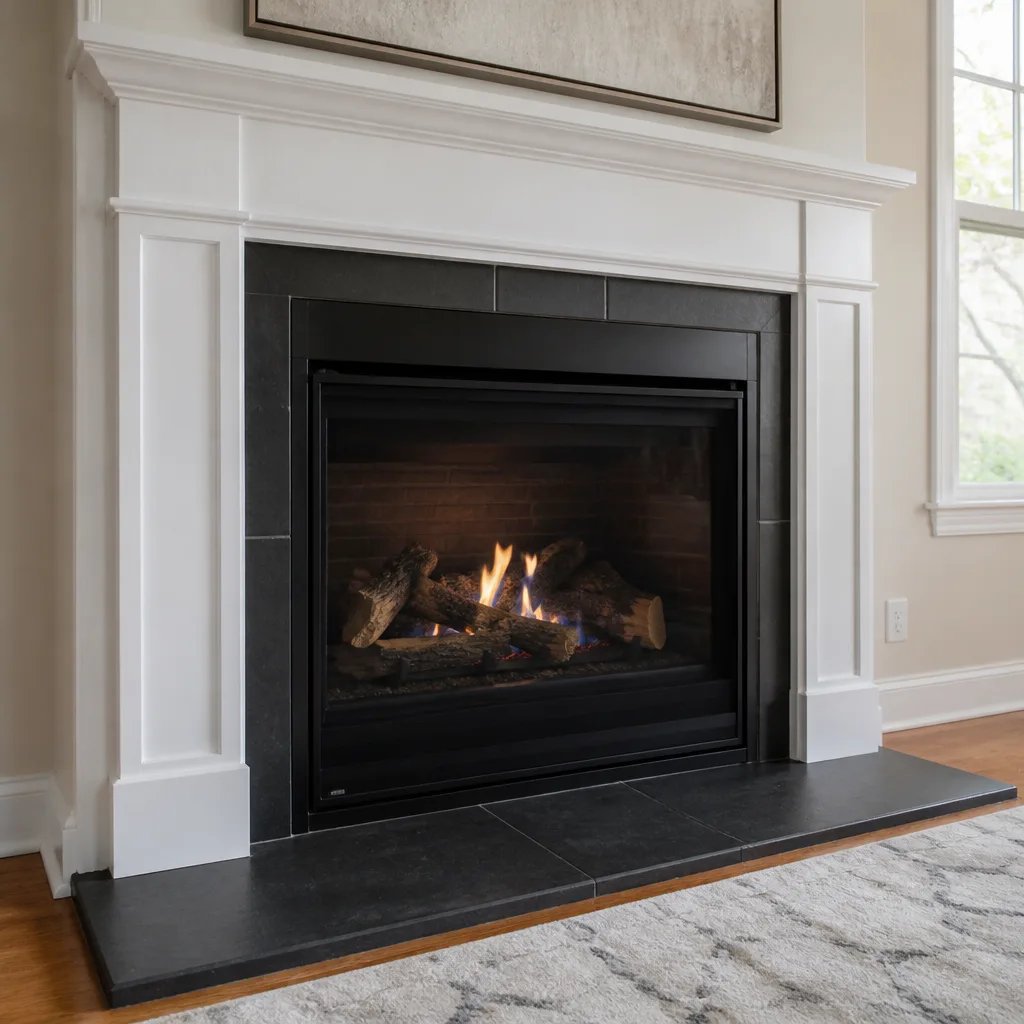 Gas fireplace service
Level 1 sweep and inspection to the NFPA 211 annual standard - flue, crown, cap, and flashing checked and photographed
Chimney sweep logs do not sweep chimneys. They loosen some creosote - which then falls where a brush and vacuum still have to collect it.
How to Hire a Chimney Cleaning Contractor in Orem: A Step-by-Step Guide
A contractor who shows up with a shop vac and one brush rod cannot perform a proper Level 2 inspection, but most Orem homeowners have no way to know that until after they’ve paid. Chimney work has quietly become an add-on service for HVAC companies, handymen, and roofing outfits who list “chimney cleaning” on the same invoice line as gutter repairs. The credential that matters here isn’t a business license or a five-star average. It’s whether the person standing on your roof actually knows liner systems, understands how negative pressure moves creosote through your home, and can document what they find with a camera. This guide walks through the exact questions, equipment checks, and estimate-reading habits that separate specialists from opportunists, plus the red flags that show up on Orem rooftops more often than anybody likes to admit.
Quick Answer
Hire a chimney cleaning contractor in Orem by verifying chimney-specific credentials (CSIA or NFI), confirming they arrive with camera inspection equipment and a negative-pressure vacuum rather than a shop vac, requiring a written scope that includes documentation, and refusing any bid that undercuts the field by skipping the inspection or the photo report. A legitimate chimney sweep in Orem should be able to explain liner condition, flue geometry, and cap integrity in plain language. If they can’t, they aren’t a chimney specialist.
Styles & brands we work with
- Sweep & inspection
- Caps & crowns
- Flue relining
- Masonry repair
- Gas fireplace service
Table of Contents
- What CSIA and NFI Credentials Actually Require
- The Equipment a Real Chimney Specialist Arrives With
- Interview Questions That Reveal Real Expertise
- Why the Lowest Bid Usually Signals a Scope Gap
- How to Read a Written Chimney Estimate
- Level 1 vs. Level 2 vs. Level 3 Inspections in Orem
- Orem’s Climate and What It Does to Your Chimney
- Common Mistakes to Avoid
- When to Call a Professional
- Frequently Asked Questions
What CSIA and NFI Credentials Actually Require
CSIA stands for Chimney Safety Institute of America, and a CSIA certification is earned through a proctored exam that covers codes, venting systems, and combustion science, then maintained by continuing education. NFI is the National Fireplace Institute, and its certifications are specific to hearth appliances: wood, gas, and pellet. Neither is a business license. Neither comes bundled with a general contractor’s registration. That distinction matters because a handyman in Orem can legally clean chimneys with nothing more than a city business license and a ladder.
What a business license tells you: the entity has registered to operate. What a five-star review average tells you: previous customers were satisfied, sometimes with a job that looked thorough and wasn’t. What CSIA or NFI certifications tell you: the technician passed an exam on how chimney systems actually function and recertifies on a fixed cycle. Those are different kinds of information, and only one of them speaks to whether your flue liner will survive the coming winter.
In our experience in Orem, the credentials also predict what kind of conversation you’ll have. A CSIA-certified technician talks about flue geometry, draft, and clearance to combustibles. An uncertified one talks about soot and how long it’s been since the last cleaning. Both cost the same. Only one of them is actually assessing your chimney system.
Ask specifically: “Is your technician CSIA certified, and can you tell me what that certification required?” A contractor who can’t answer that has never held one. We recommend asking for the technician’s name before the visit so you can verify the certification independently through the CSIA directory. That single check eliminates most of the risk in the hiring process.
The Equipment a Real Chimney Specialist Arrives With
A chimney specialist in Orem should arrive with four categories of equipment: a camera system for inspecting the flue interior, a negative-pressure vacuum to contain dust, rotary cleaning tools sized to the flue, and hand tools for cap and crown work. Anything less is a surface-level operation.
- Inspection camera. A push-rod or articulating camera with LED lighting that can photograph the flue interior from the firebox to the cap. Not an iPhone on a selfie stick. Not a mirror and a flashlight (that’s Level 1 only, and it can’t see around a bend).
- Negative-pressure vacuum. A HEPA-rated vacuum with enough airflow to hold the firebox under negative pressure while the chimney is being cleaned, so no soot escapes into your living room. A shop vac will not do this. It will redistribute dust while pretending to capture it.
- Rotary cleaning tools. Whip heads or rotary chains matched to the flue size and liner material. Straight brush rods alone cannot properly clean a flue with an offset, and Orem has plenty of older homes where the flue bends around a structural element.
- Access equipment and containment. Drop cloths, a canvas runner, and proper roof access. Specialists don’t lean ladders against the cap and hope.
If the technician arrives without a camera, your “inspection” is a visual check, which is the lowest inspection level available. That’s fine for a maintenance sweep on a system with no known issues. It’s inadequate for anything else, and you should say so before they unpack the vacuum.
This is also where specialist material knowledge shows up. A genuine chimney company can talk about the difference between a flexible DuraFlex liner and a rigid liner, and know why a HeatShield ceramic resurfacing process might be appropriate for a deteriorating flue that hasn’t crossed the threshold for full replacement. An HVAC contractor with a brush doesn’t know those brands exist. If you want to see how the full scope of this work looks when it’s done by a specialist, our chimney repair page lays out the difference between a patched flue and a properly restored one.
Interview Questions That Reveal Real Expertise
The best hiring filter is a short phone conversation before anyone schedules a visit. Ask these six questions and listen carefully. A specialist answers each in under thirty seconds with technical specifics. A generalist changes the subject or offers a vague reassurance.
- “What level of inspection will you perform, and will I receive photos?” The answer should include the inspection level (1, 2, or 3) and confirmation of a photo report. If they only say “a full inspection,” push harder. That phrase means nothing.
- “What liner does my chimney have, and how would you determine its condition?” They should describe a camera inspection of the flue interior with a check for cracks, gaps, and spalling. If they can’t name a liner system, they can’t assess one.
- “When would you recommend resurfacing versus a full liner replacement?” This separates specialists from sweepers. A technician who knows HeatShield or comparable ceramic resurfacing can explain when a flue is still structurally sound but the surface is failing, and when it isn’t. Someone unfamiliar with resurfacing will jump straight to replacement or tell you the flue “looks fine.”
- “What brand of liner or cap would you install on my system, and why that one over another?” A specialist names professional-grade materials: DuraFlex, Olympia Chimney, Gelco, Famco, Copperfield. A generalist names whatever the supply house had in stock.
- “Do you clean the firebox and smoke chamber, or just the flue?” The smoke chamber is the sloped transition between the firebox and the flue. It’s where creosote glazes, and it’s where most cut-rate sweeps stop working. If they skip it, they haven’t cleaned the system.
- “What does your written estimate include besides labor?” The correct answer includes an inspection report, photo documentation, and a written scope. The wrong answer is a price and a promise.
Record the answers. If a contractor gives different answers on the phone than in the estimate, you’ve learned something more valuable than a discount.
Why the Lowest Bid Usually Signals a Scope Gap
The lowest bid in Orem is almost never a discounted version of the same job. It’s a smaller job wearing the same name on the invoice. Here’s what typically gets dropped to reach that number.
The smoke chamber. Cleaning the flue takes one tool. Cleaning the smoke chamber takes a specialized flexible scraper and time. A cut-rate sweep cleans the flue, leaves the smoke chamber alone, and moves on.
The camera inspection report. Inspecting the flue and writing it up takes time. A photograph of the flue interior taken with a camera system costs the contractor almost nothing, but it forces them to stand behind their assessment. Some low bidders don’t include it because they’d rather not have a record.
The cap and crown check. A specialist checks the cap for rust, missing hardware, and bird or animal intrusion during every visit. A sweep-only contractor doesn’t walk the roofline. If your cap is missing a screen, you’re inviting starlings into the flue, and a sweep that doesn’t look won’t catch it.
The documentation of liner condition. If there’s hairline cracking in the flue tile, a professional photographs it, describes its extent, and tells you what to watch. A cut-rate technician either doesn’t look or doesn’t tell.
Insurance and liability coverage. Roof work is high-risk. A contractor without proper insurance coverage has a lower cost basis, and the savings on the invoice are borrowed against a future liability you’d absorb if something went wrong on your roof.
The pattern is the same in every Orem neighborhood: the quote that comes in hundreds of dollars under the rest is doing hundreds of dollars less. If a bid seems low, ask the contractor to walk through exactly what’s included. Let them tell you what they’re skipping.
How to Read a Written Chimney Estimate
A proper chimney estimate is a document, not a number on the back of a card. It should include three things: a scope of work, the materials being used, and the documentation you’ll receive. If any of those are missing, ask for a revised estimate before you sign.
- Scope of work. Which parts of the chimney system get addressed: flue, firebox, smoke chamber, crown, cap. Each should be named. “Full chimney cleaning” tells you nothing specific.
- Inspection level. Level 1, 2, or 3 must be stated in writing. Level 1 is visual only. Level 2 includes camera and is the standard for most residential work. Level 3 is a diagnostic opening of concealed areas.
- Materials with brand names. If a cap is being installed, the estimate should specify Gelco, Famco, or whatever brand is going on. If resurfacing is being performed, HeatShield or equivalent. If a liner is going in, DuraFlex or Olympia Chimney. Brand specificity is the contractor’s way of standing behind the material.
- Documentation. A written inspection report with photo documentation of the flue interior, smoke chamber, cap, and crown. If this isn’t listed, you’re not getting one.
- What’s not included. Repairs identified during the inspection are typically quoted separately, in writing, after you’ve seen the photos. The estimate should say so.
- Price. A single figure, clearly stated, with no drive-away fee, no “diagnostic” charge, and no language about a fee being “credited toward the repair” if you approve work. A flat price for the scope described, agreed before the visit.
Read the estimate twice. Once for what’s there. Once for what’s conspicuously absent.
Level 1 vs. Level 2 vs. Level 3 Inspections in Orem
Three inspection levels exist, and understanding them is the difference between a properly vetted contractor and one who’s charging you for a glance.
Level 1: visual only. A technician looks at the firebox, the accessible flue from the firebox, and the exterior. No camera. This is appropriate only for an annual maintenance sweep on a system with no known problems or recent changes. It is not an assessment of your liner.
Level 2: camera inspection. The standard for a real estate transaction, a change of fuel type, a chimney fire, or any repair. Includes a camera run of the flue from top to bottom, documentation of flue tile condition, and a review of the cap, crown, and any attic or crawlspace access if the flue passes through. Level 2 is what you want when you don’t know your chimney’s history.
Level 3: diagnostic. Level 2 plus opening of concealed areas (behind a wall, inside a chase) to reach a specific problem the Level 2 inspection identified. Rare. Only justified by a known hazard.
For most Orem homeowners who haven’t had a chimney inspected in the last few years, Level 2 is the right starting point. It includes the photos that let you verify what the technician finds rather than trusting a verbal summary. A formal chimney inspection at Level 2 gives you documented evidence of flue condition, and the photo report is the difference between an assessment and an opinion.
One local note: after a chimney fire (even a small one you didn’t know happened), a Level 2 inspection is mandatory before you use the fireplace again. The damage from a chimney fire is often invisible from the flue surface and shows up only in the camera footage.
Orem’s Climate and What It Does to Your Chimney
Orem sits in Utah Valley at the base of the Wasatch Range, and the local weather does specific things to chimney systems that a contractor from a dryer or warmer climate might not appreciate. Two factors matter.
Freeze-thaw cycling. Orem gets cold nights and warm afternoons through much of the winter, which means the masonry on your chimney expands and contracts repeatedly. Cracks that open in a hard freeze fill with moisture, then widen the next time it thaws. Over a few seasons, hairline cracks become spalling, and spalling becomes a crown that leaks. A specialist knows to inspect the crown every visit, not just the flue. If the crown is failing, water gets into the chimney structure, and the repairs that follow cost considerably more than a new crown would have.
Wood smoke and creosote in cold temperatures. Orem homeowners burn a lot of wood between November and March, and a cold flue keeps exhaust gases cooler, which encourages creosote to condense on the flue walls rather than burn off in the flue. Glazed creosote, the third-degree form, is the fuel for a chimney fire and the reason annual sweeps matter. In our experience, a fireplace that gets used heavily through a cold Orem winter can accumulate enough creosote to warrant cleaning before the next season starts, sometimes earlier.
Carbon monoxide risk. Any blockage in the flue, whether creosote, a bird nest, or a collapsed tile, can push exhaust gases back into the house. That’s the reason a cap with a proper screen is not optional equipment. A quality chimney cap and crown installation is preventive maintenance, not decoration. An uncapped flue in Orem is an invitation for starlings and squirrels to build directly on the smoke shelf.
Wildfire smoke season. During the summer months, Orem can see smoke from regional fires settle into the valley. Ash and fine particulate can accumulate on exterior surfaces and, in some cases, drift into an uncapped flue. A cleanup in late summer before the burning season starts is a reasonable habit if you’re in an exposed area of town.
Common Mistakes to Avoid
- Hiring whoever shows up first on a search result. Paid placement is not a credential. Verify CSIA or NFI certification yourself before scheduling, whether the contractor appears first or last.
- Accepting a “free inspection” that turns into a high-pressure sales visit. A free estimate on a defined scope is fine. A free inspection that immediately turns into a recommendation for thousands of dollars of liner work, without photo evidence you can see, is a sales call. Ask to see the camera footage before you sign anything.
- Skipping the camera inspection to save time. A sweep without a camera run is a cleaning, not an inspection. Especially in Orem’s older neighborhoods where flues have decades of use, you need the footage to know what’s happening inside the liner.
- Letting a handyman clean a flue with a gas appliance attached. Gas fireplaces require venting knowledge and clearance checks that generalists routinely skip. If you have a gas-burning appliance venting through the chimney, insist on a technician with NFI credentials specific to gas.
- Ignoring the crown because it “looks fine.” A crown can look intact from the ground and be cracked up close after a winter of freeze-thaw. The roof-level view is the only view that counts.
- Approving liner replacement without seeing the evidence. Nothing should be recommended without a documented photo of the failing flue. If a technician recommends a liner without showing you the interior, ask them to run the camera again before you agree.
- Waiting until the first cold snap to book an appointment. The busiest weeks of the year in Orem chimney work are the weeks right before and after the first freeze. Get the inspection done in late summer or early fall to avoid the pile-up.
When to Call a Professional
You should call a chimney professional in Orem in seven situations: (1) it’s been more than a year since the last sweep; (2) you’ve had a chimney fire, even a small one; (3) you notice creosote build-up on the damper or firebox walls; (4) smoke backs into the room when you light a fire; (5) you’ve changed fuel type (wood to gas or vice versa); (6) you’re buying or selling a home and need a Level 2 inspection; and (7) you’re getting a new cap or crown installed because the current one is damaged or missing.
If your chimney has visible creosote build-up, a damaged crown, or a cap that’s missing its screen, don’t burn until it’s been inspected. Carbon monoxide exposure from a blocked flue is serious, and chimney fires can start from a single ignition event in glazed creosote that you can’t see from the firebox.
Orem Chimney Sweep Pros offers free estimates in Orem. Call (877) 523-5597. We answer 24/7. Fast dispatch from 7am to 7pm, Sunday through Friday, and we’re closed Saturday.
Frequently Asked Questions
A standard sweep for a wood-burning chimney in Orem typically runs somewhere in the range of an average service-call price for a single flue, and the final price is always set by the written estimate before any work begins. The estimate should include the inspection level, the smoke chamber cleaning, and the photo documentation. If the quote omits any of those, ask why. Call (877) 523-5597 for an exact quote. Estimates are free.
You need a new liner if your current flue liner is cracked, spalling, missing sections, or no longer rated for the appliance venting through it. Many chimneys that have been told they need a full replacement can instead be resurfaced with a ceramic process like HeatShield if the underlying flue structure is sound. The decision should always follow a documented camera inspection with photos you can review. Don’t approve liner work based on a verbal recommendation. Call (877) 523-5597 if you’d like a second opinion with documentation.
A wood-burning chimney should be swept once a year during regular use, and more often if you burn heavily or notice creosote accumulation. If you burn wood as a primary heat source in Orem, a mid-season inspection is worth the trip. Gas appliances should be inspected annually for venting and clearance even though they don’t produce creosote. Call (877) 523-5597 to book an annual sweep.
Skipping a sweep allows creosote to accumulate on the flue walls, and glazed creosote ignites at a relatively low temperature, which is how chimney fires start. A blocked or restricted flue also pushes carbon monoxide back into the living space instead of venting it outside. Both are avoidable with a routine inspection. Call (877) 523-5597 to schedule before the next burning season.
The lowest bid is usually a smaller job, not a discount on the same work. The most common omissions are the camera inspection report, the smoke chamber cleaning, the roof-level cap and crown check, and the written documentation. Ask the contractor to walk you through exactly what their price includes, and compare the list against a full-service estimate. Call (877) 523-5597 if you want to compare scope item by item.
A handyman can physically run a brush through a flue, but that doesn’t make the work a chimney inspection. Chimney specialists hold CSIA or NFI certifications, arrive with camera and negative-pressure equipment, and document the condition of your flue, smoke chamber, crown, and cap. A handyman without that training won’t catch a cracked tile until it becomes a real problem. Hire a specialist. Call (877) 523-5597 for a free estimate from a chimney-focused contractor.
The Bottom Line
Hiring a chimney contractor in Orem comes down to verifying four things: chimney-specific credentials, the right equipment (camera, negative-pressure vacuum, rotary tools), a written estimate with documentation, and a scope that includes the smoke chamber, cap, and crown. Price is the fourth priority, not the first. The lowest bid is almost always a smaller job wearing the same name. When you find a contractor who can explain your liner system in plain language and hand you a photo report of what they found, you’ve found a specialist. That’s who should be on your roof. Call Orem Chimney Sweep Pros at (877) 523-5597 for a free estimate on a proper chimney sweep and inspection before the next burning season.
Written by the team at Orem Chimney Sweep Pros.
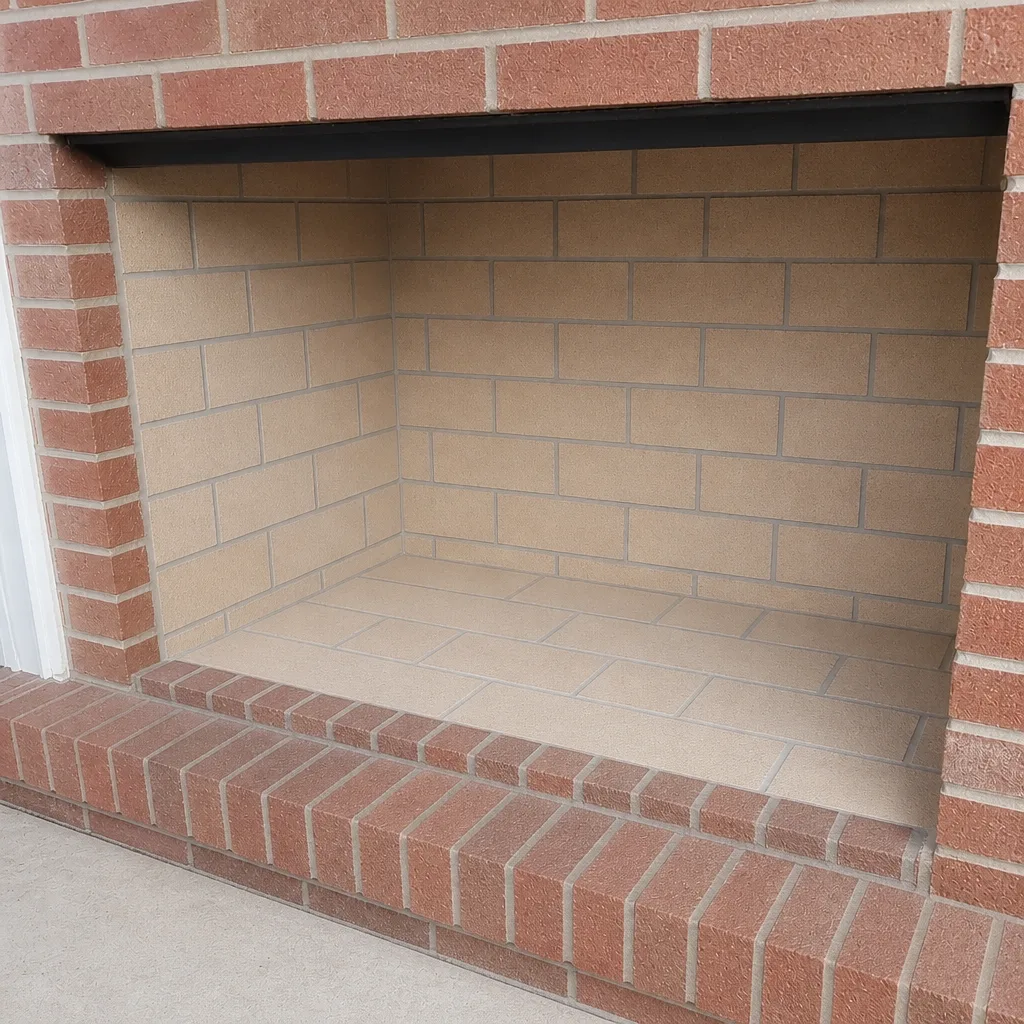
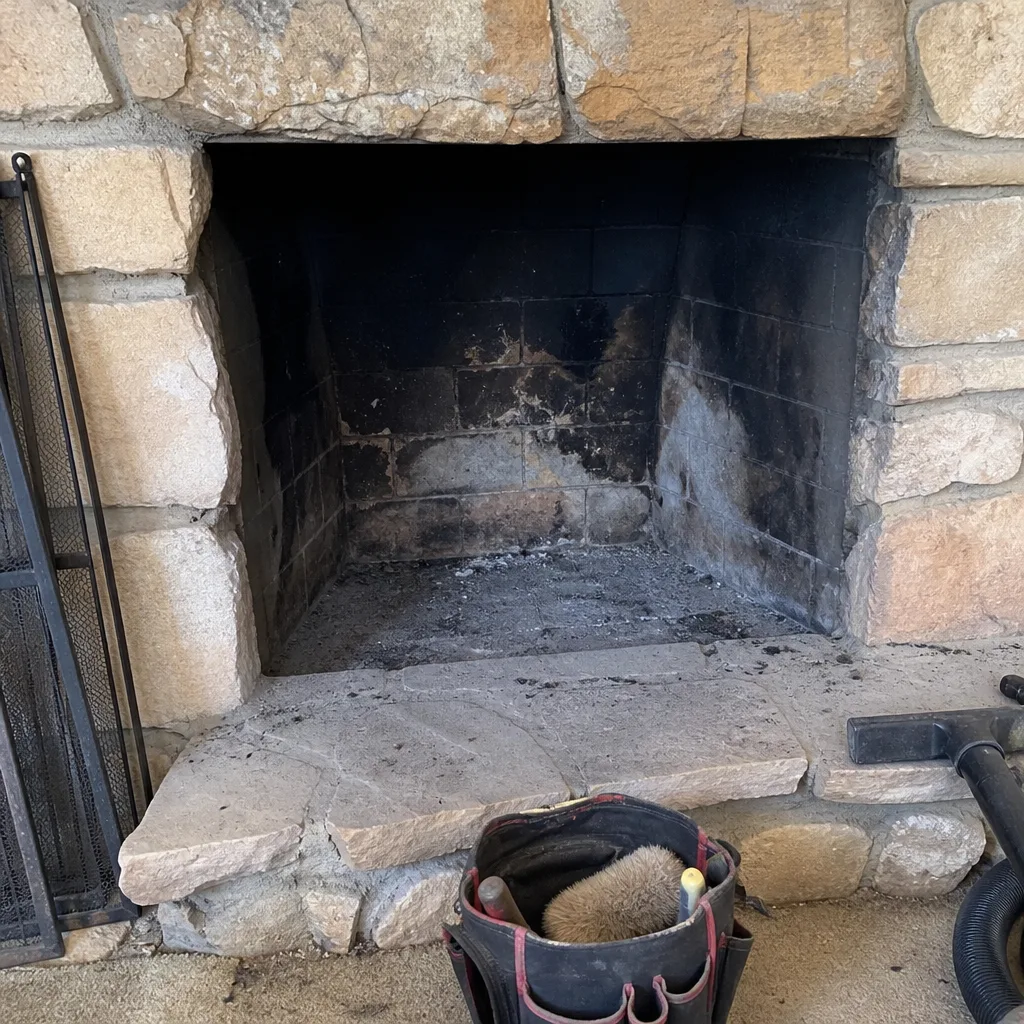
See the difference
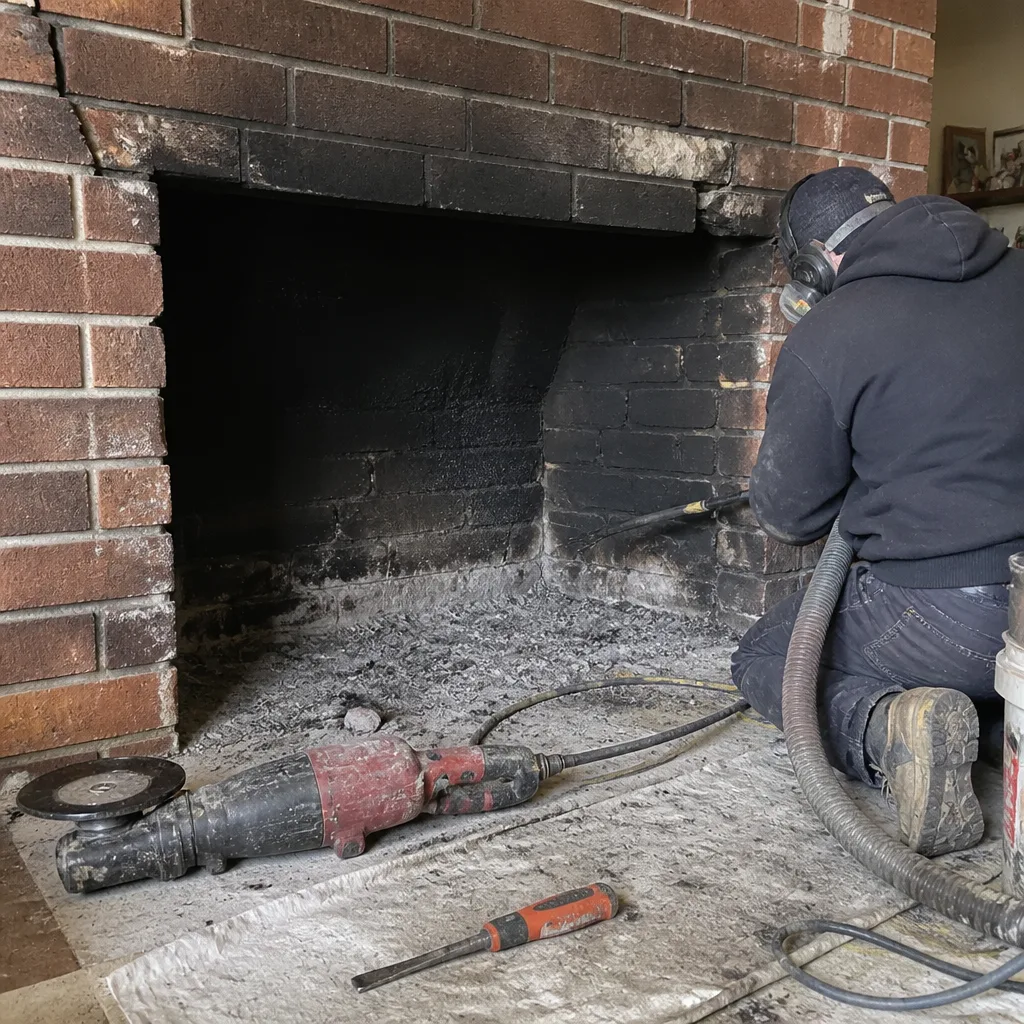 Before
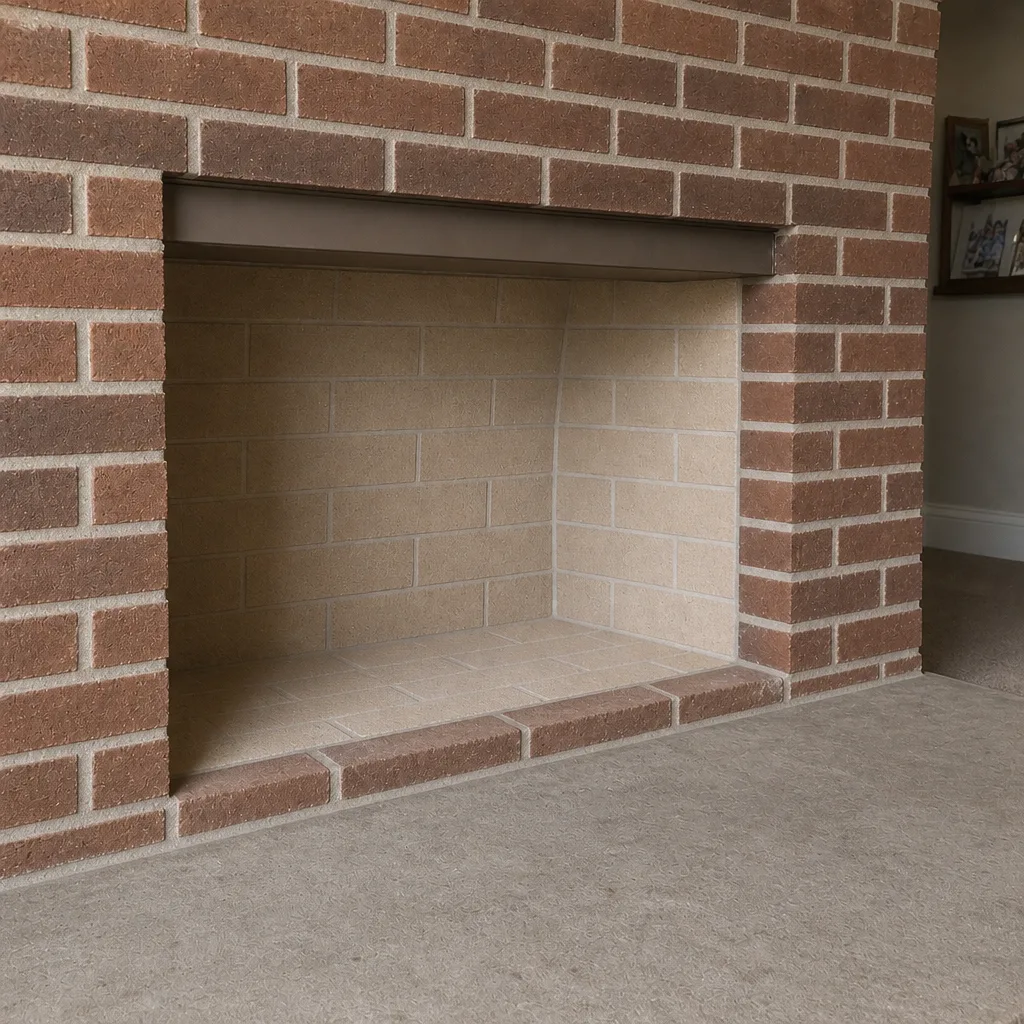 After
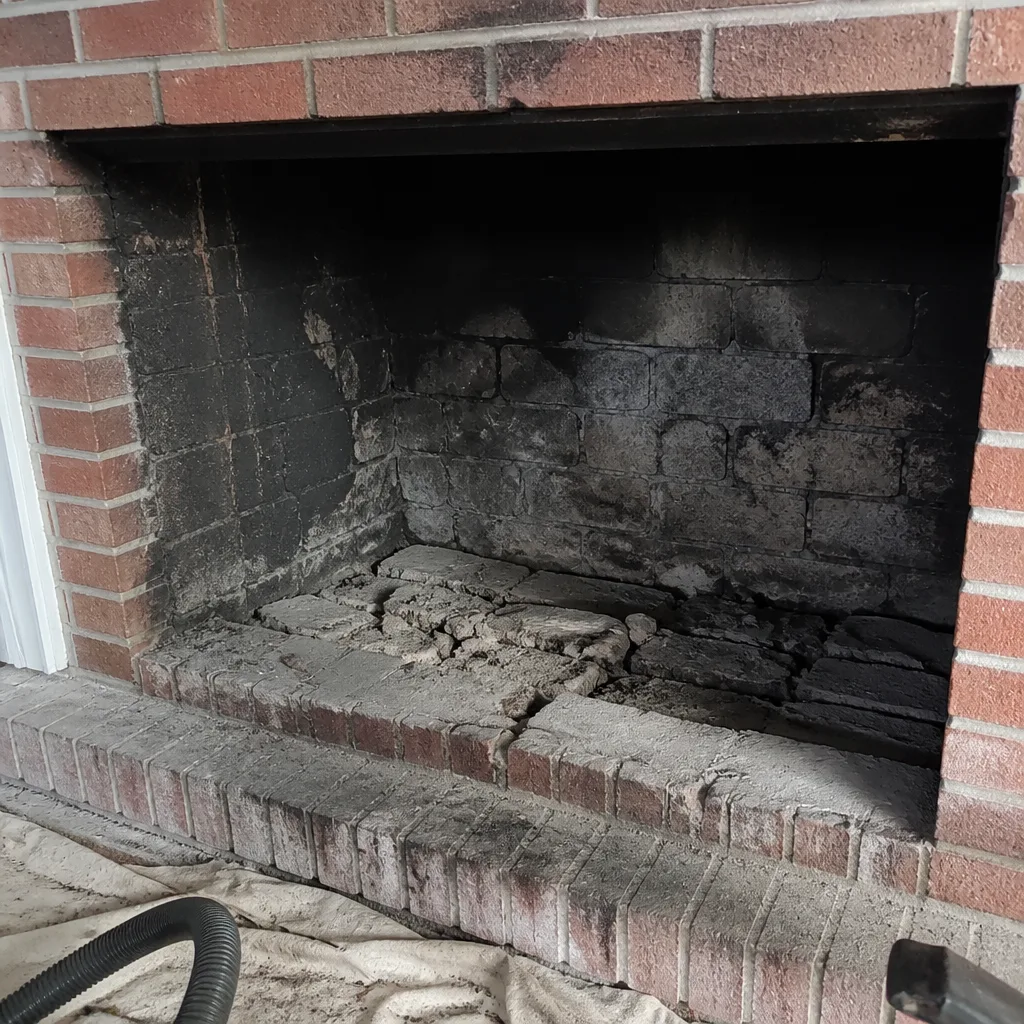 Before
 After
 Before
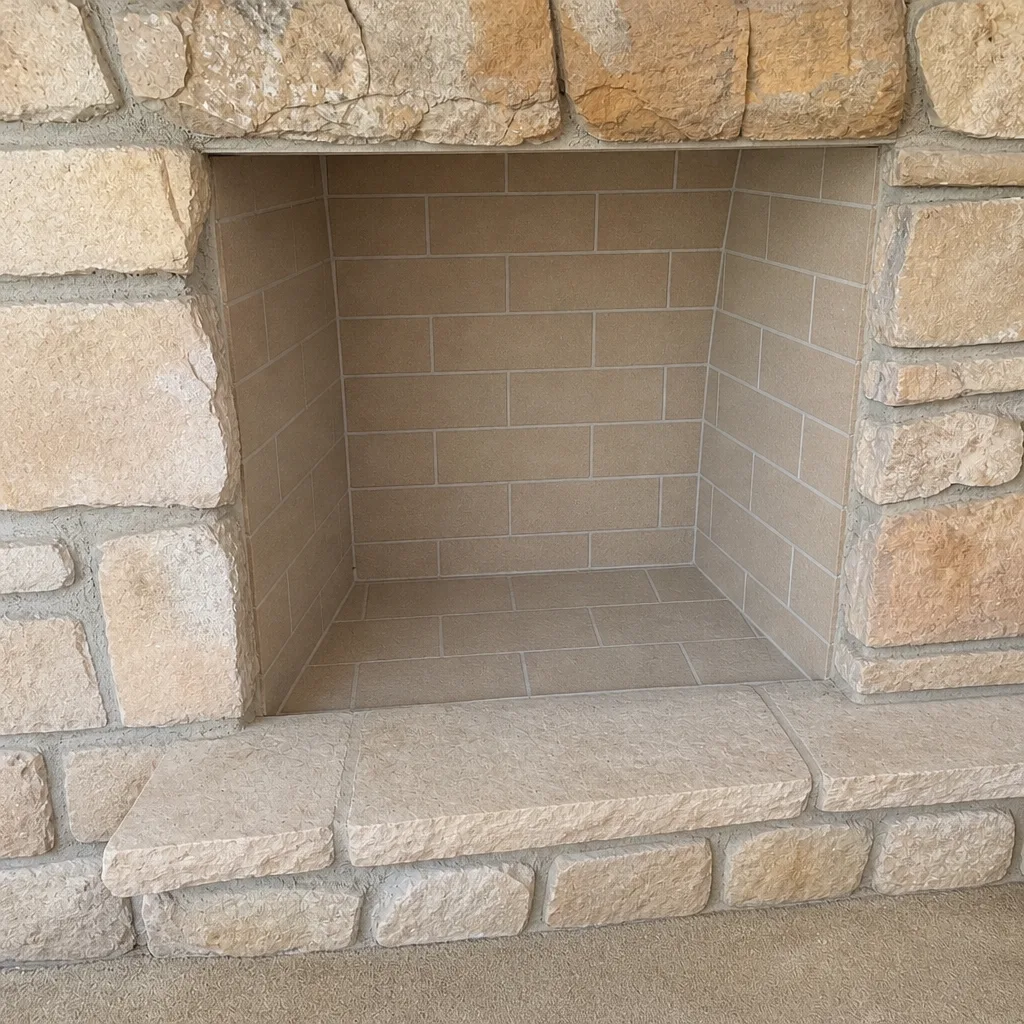 After