
Last updated November 25, 2026
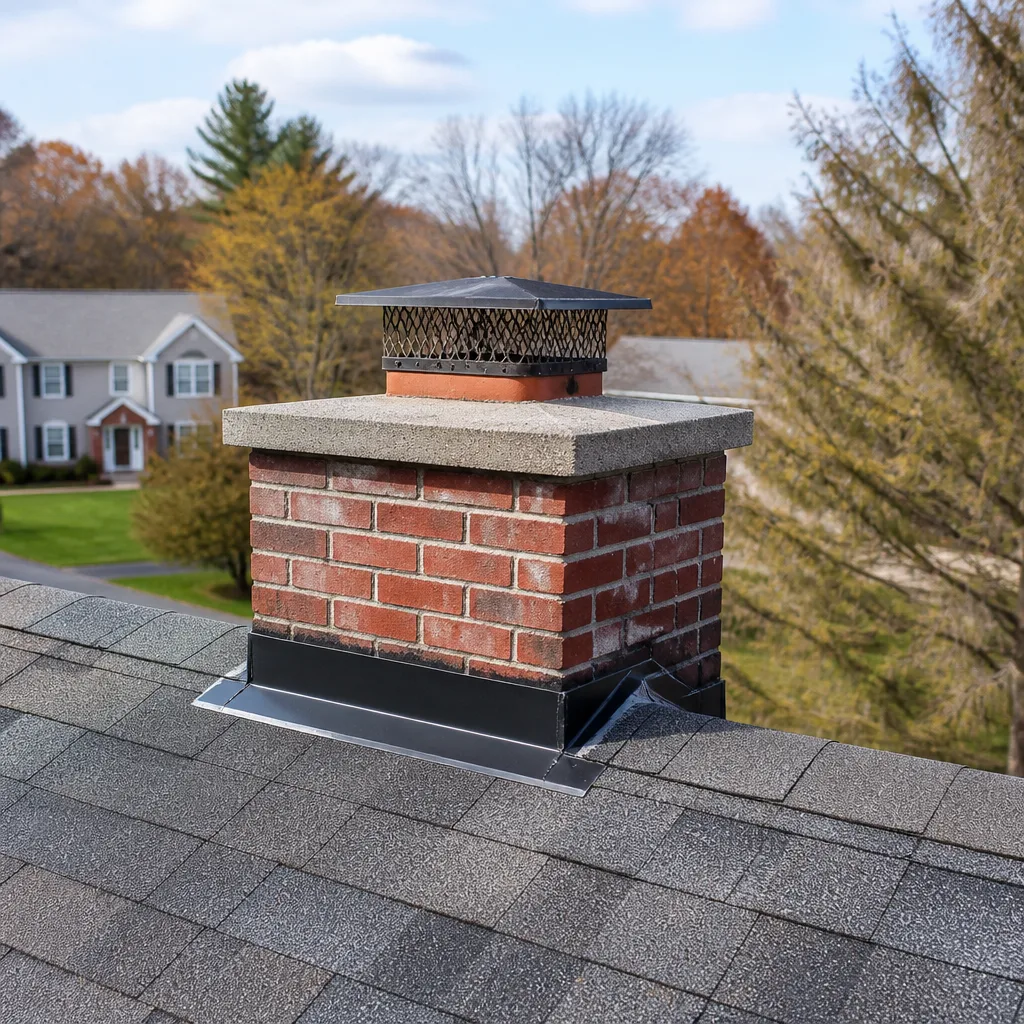 Sweep & inspection
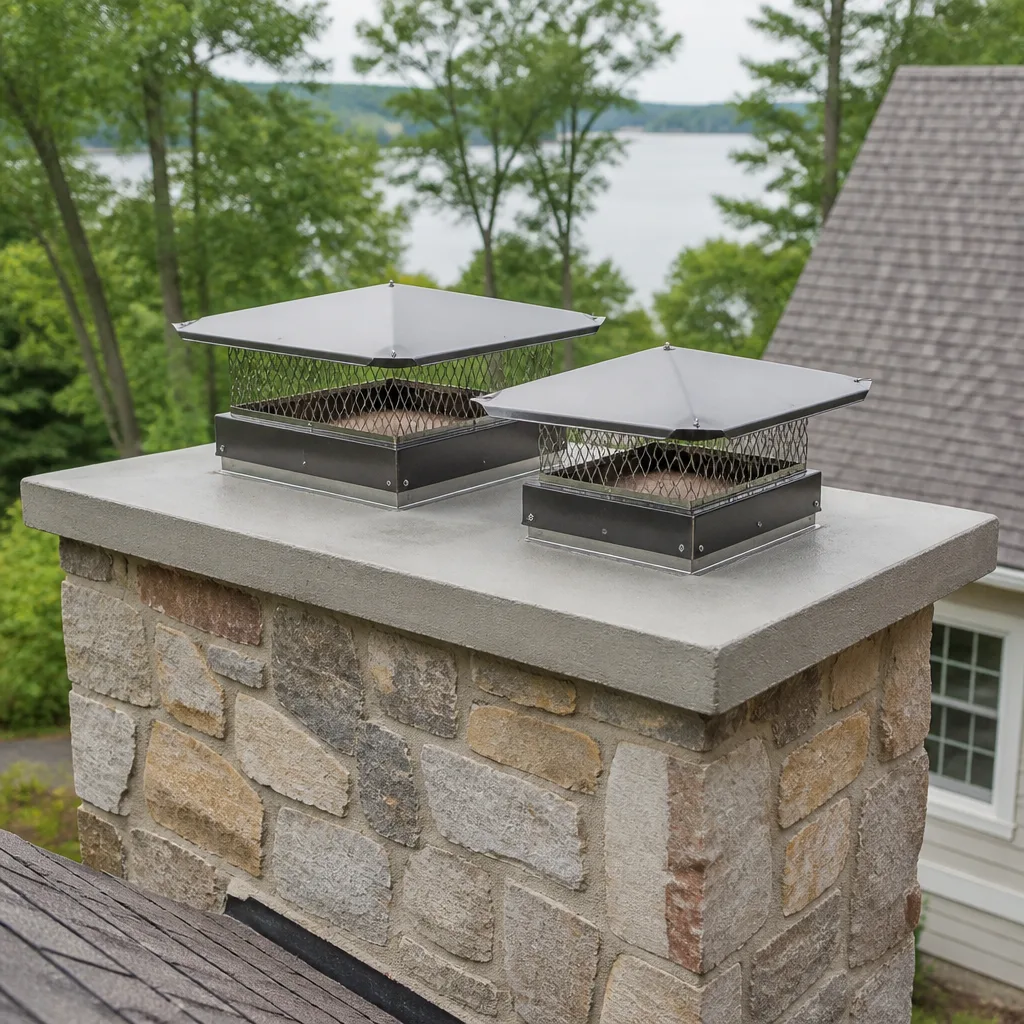 Caps & crowns
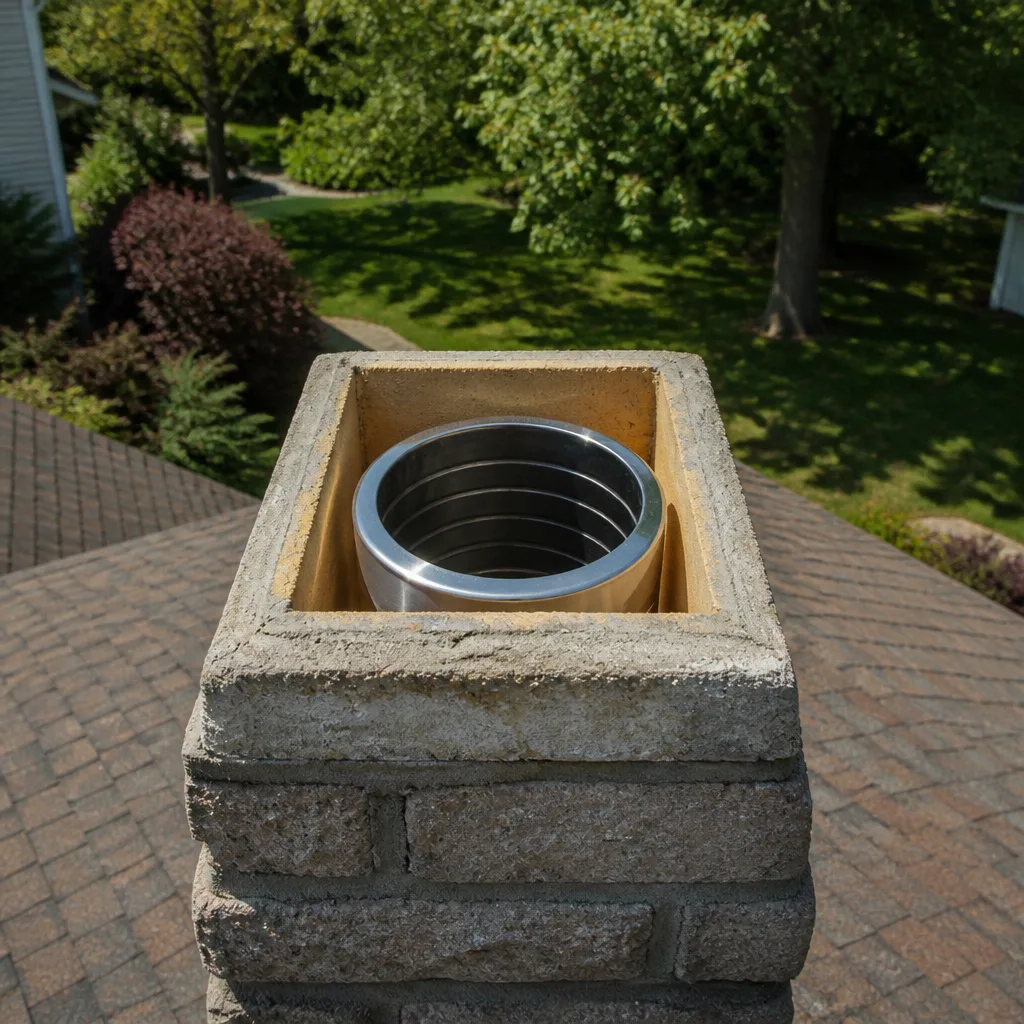 Flue relining
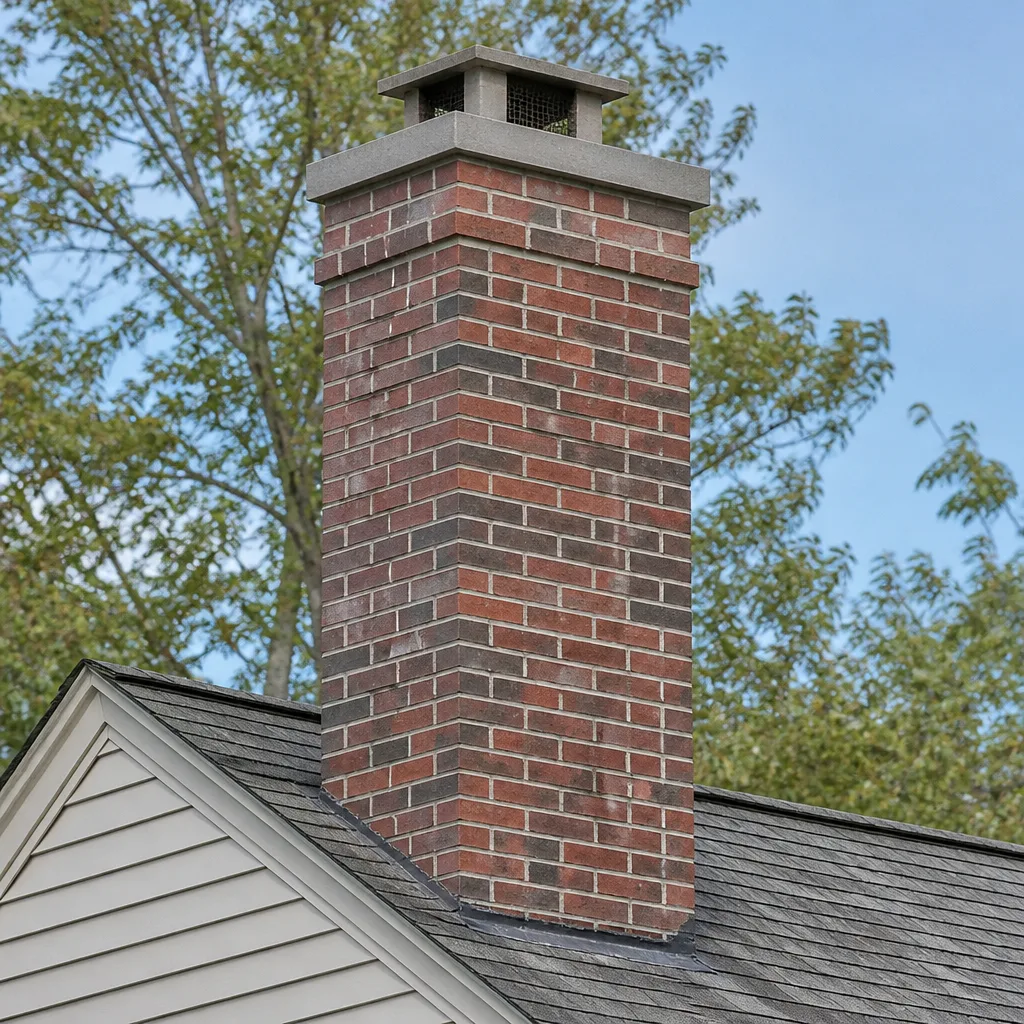 Masonry repair
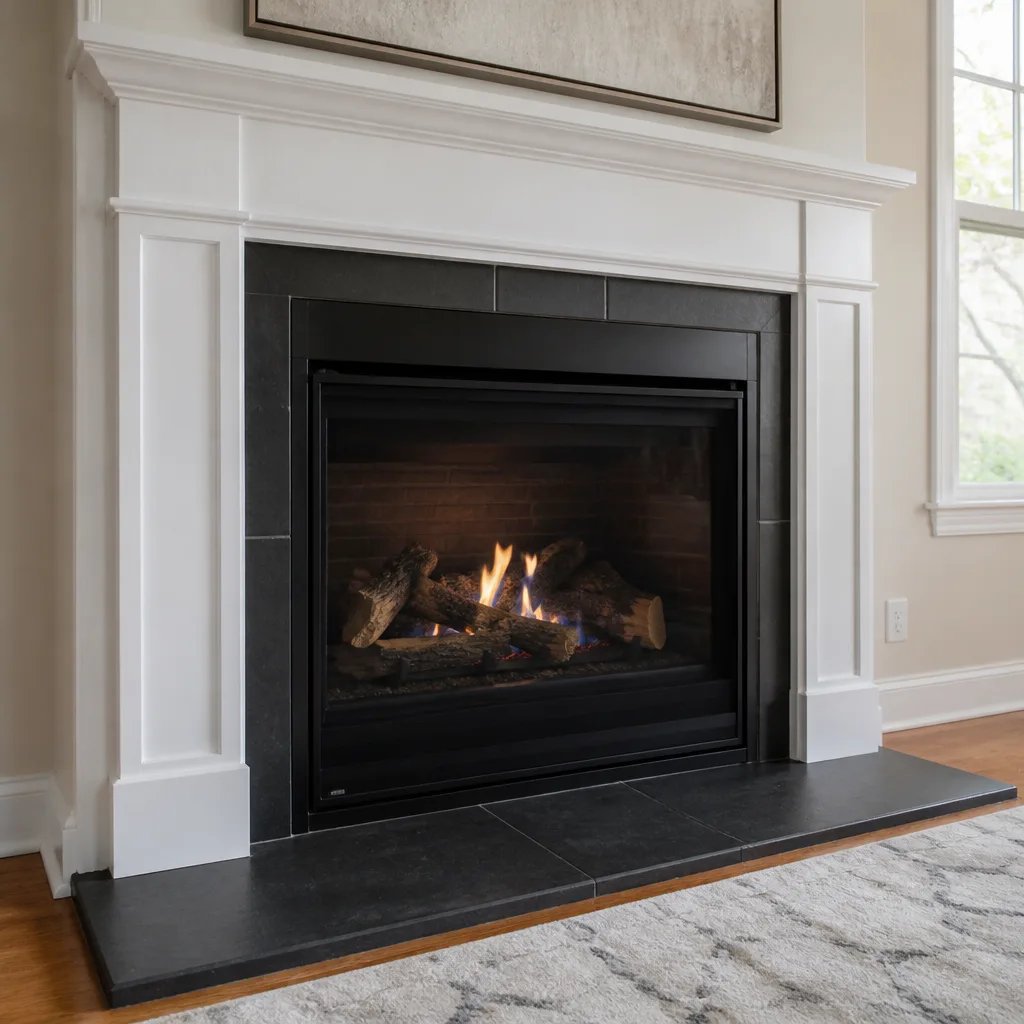 Gas fireplace service
Level 1 sweep and inspection to the NFPA 211 annual standard - flue, crown, cap, and flashing checked and photographed
Chimney sweep logs do not sweep chimneys. They loosen some creosote - which then falls where a brush and vacuum still have to collect it.
Chimney Cleaning Warning Signs: An Orem Homeowner’s Reference Guide
A white stain running down the outside of a chimney isn’t a cosmetic problem. It’s efflorescence, and it means water is actively moving through the masonry. By the time that stain is visible, the process has already been working on the mortar joints from the inside, dissolving the binder that holds the brick together. Most chimney warning signs get misread rather than ignored, because homeowners have no reference for what normal looks like. Smoke rolling into the room, dark staining above the firebox, a smell that shows up in summer: each points to a different part of your chimney system failing. This guide decodes those signs for Orem homeowners, sorted by which component is actually the problem and which ones need a call today.
Quick Answer
The warning signs that matter most are smoke rolling back into the room, dark staining on the firebox or chimney face, a musty or acrid smell when the fireplace is cold, crumbling mortar joints, a cracked crown, and a damper that won’t seal. Signs like efflorescence, a loose cap, or minor exterior staining can be monitored and booked for a documented inspection. Signs like a blocked flue, a liner with visible gaps, or smoke that won’t draw at all mean stop using the fireplace until a specialist has looked at it.
Styles & brands we work with
- Sweep & inspection
- Caps & crowns
- Flue relining
- Masonry repair
- Gas fireplace service
Table of Contents
- What Smoke Behavior Tells You About Your Chimney
- Reading the Exterior: Crown, Flashing, Brick, and Mortar
- What Chimney Odors Reveal About the Failure Type
- Firebox and Damper Warning Signs You Can See Yourself
- Monitor-and-Schedule vs. Stop-Using-Immediately
- Why Orem’s Climate Wears on Chimneys Differently
- What a Documented Inspection Actually Covers
- Common Mistakes to Avoid
What Smoke Behavior Tells You About Your Chimney
Smoke is the most misread signal in the chimney system. Homeowners tend to lump three different problems under one label when they’re mechanically unrelated. Rollback, slow draw, and backdraft feel similar in the room but have distinct causes and distinct fixes. Getting the diagnosis right the first time is what saves you from paying for a repair that doesn’t solve the actual problem.
Rollback is smoke that puffs out of the firebox opening into the room while the fire is burning. It usually points to one of two things: the flue is undersized for the firebox opening, or the smoke shelf and damper area has a buildup that’s disrupting airflow. A firebox that’s been enlarged by a previous owner, or a fireplace that was originally designed for a different fuel type, will often show rollback because the flue can’t handle the volume of smoke being produced.
Slow draw is smoke that goes up but lazily, hanging in the firebox before it finally clears. This is often caused by a partial blockage, a cold flue on first light, or an interior chimney that isn’t tall enough for the home’s pressure zone. Slow draw in an Orem home with a two-story roofline next to it is worth having checked, because nearby structures change how air moves across the chimney termination.
Backdraft is a reversal where air comes down the chimney instead of up. It happens when the house is under negative pressure from bathroom fans, a kitchen exhaust hood, or a tightly sealed home with a gas furnace pulling combustion air from the interior. A backdrafting chimney is a carbon monoxide concern, not a comfort issue, and the fireplace should stay off until the pressure problem is sorted out.
- Rollback: firebox-to-flue mismatch, smoke shelf buildup, or a firebox that was modified
- Slow draw: partial blockage, cold flue, or termination height problems
- Backdraft: negative pressure in the home, often from exhaust fans or a tight building envelope
We’ve seen Orem homeowners pay for a taller chimney extension when the real issue was a blockage sitting two feet up the flue. The camera tells the story before any work gets priced.
Reading the Exterior: Crown, Flashing, Brick, and Mortar
The exterior of a chimney is a map. Each type of damage sits in a specific location because each location handles water and thermal movement differently. If you learn to read the map, you’ll know which problems are maintenance reminders and which are structural.
The crown is the concrete cap at the very top. Small hairline cracks in the crown are normal, but a crown with a chunk missing, a crown that’s pulled away from the flue, or a crown that slopes water toward the chimney instead of away from it is a problem. Water that gets past a failed crown goes straight into the masonry and shows up as interior staining months later. Gelco and Copperfield crowns are cast to slope correctly and hold up through freeze-thaw cycles that Orem gets in late winter.
Flashing is the metal where the chimney meets the roof. Rusted flashing, loose step flashing, or flashing that’s been tarred over rather than properly counter-flashed is a leak source. In Orem, the freeze-thaw at the roofline is where flashing failure shows up first, because water gets behind a lifted edge and expands at night.
Brick face damage looks like spalling: the front of a brick flakes off in sheets or layers. This is a sign that brick has absorbed water and pushed it back out through the surface. If a few bricks are spalled under the cap, it’s a repair to schedule. If a whole course is spalling and the brick underneath is crumbling, the chimney is taking on water from somewhere above.
Mortar joints are the mortar between bricks. Joints should be recessed and intact. Joints that have receded, that you can pick out with a screwdriver without effort, or that show white powder are already failing. Repointing is the standard fix, and doing it before the brick itself starts losing material keeps the repair small.
Efflorescence, the white stain that opened this guide, is the visible stage of water movement. It’s not a stain to scrub off. It’s a message from inside the wall.
What Chimney Odors Reveal About the Failure Type
Chimney smells are diagnostic if you know the profiles. Three smells point to three different problems, and guessing wrong means buying the wrong fix.
Musty or damp: water is sitting in the chimney structure or on the smoke shelf. Often paired with efflorescence on the outside or rust on the damper. The source is usually a crown, flashing, or cap failure letting moisture in. This is the smell that shows up in summer when the fireplace is cold and the chimney is drawing interior humid air down.
Acrid or sharp: this is creosote. When creosote builds up in the flue and the weather warms, the residue off-gasses and drifts into the room. It can smell like burned wood, tar, or a sharp chemical edge. Acrid odor with no fire burning is a strong signal that the flue needs a chimney sweep, because the creosote layer is thick enough to smell from inside.
Sulfur or rotten-egg: this one gets attributed to a dead animal when the actual cause is a blocked or compromised flue. Animals can and do get into open chimneys, particularly in Orem where cottonwood and other nesting debris collect on caps that have lost their screens. Sulfur smell can also come from a flue that’s been contaminated by something decomposing, or from a gas appliance venting incorrectly. Either way, sulfur means an inspection, not a can of air freshener.
- Musty: moisture is entering the chimney structure
- Acrid: creosote buildup in the flue needs sweeping
- Sulfur: something is decomposing in the flue or a vent is not working properly
- Smoky all season: pressure or draft problem, not an odor problem
Firebox and Damper Warning Signs You Can See Yourself
The firebox and damper are the parts of the chimney you can look at with a flashlight and no specialized tools. That makes them the best place to start a self-check before you call anyone.
Here are the signs worth looking for on a cold, cleared-out fireplace:
- Cracked firebox panels. Hairline cracks in the firebrick are common and often repairable with refractory materials. Cracks you can fit a coin into, or panels that are missing chunks, are a fire spreading into the wall cavity behind the firebox. That’s a stop-using-immediately sign.
- Damper that won’t close flush. A damper should seal when you pull it shut. If it’s warped, rusted open, or has a gap at one edge, you’re losing heat year-round and pulling interior air up the chimney in winter.
- Dark staining above the firebox opening. A little soot on the firebox face is normal. A dark stain spreading up the wall above the fireplace opening usually means smoke is escaping the firebox and creeping up the wall cavity. That’s a warning sign, not a cosmetic one.
- Crumbling mortar between firebricks. Recessed joints are fine. Joints that have turned to dust and can be brushed out with a finger mean the firebox needs re-mortaring before the next fire.
- Rust or flaking metal on the damper. Rust on the damper points to moisture in the flue, which circles back to the cap and crown discussion above.
- Rounded or chipped brick edges at the firebox throat. The throat is the top edge where the firebox narrows into the flue. Chipped brick here is often a sign the firebox was over-fired or that the damper has been forced past its stop.
What you can’t check with a flashlight is the flue interior above the smoke shelf. A camera inspection sees the full liner and the interior of the chimney, including any offsets or bends that a rigid camera can’t pass. Our technicians have up to 12 years of experience running those inspections, and we work with DuraFlex flexible liner systems designed for chimneys with bends a rigid liner would miss.
Monitor-and-Schedule vs. Stop-Using-Immediately
One of the most useful things a homeowner can learn is which signs warrant a call this week and which warrant putting the fire out today. Sorting them changes the conversation on the phone, because you’ll be telling the person booking the appointment what you’re seeing rather than guessing.
Monitor and schedule a documented inspection if you see:
- Efflorescence on the exterior masonry
- Hairline cracks in the crown that aren’t yet pulling away from the flue
- A chimney cap that’s loose, rusted, or missing its screen
- Minor spalling on a few bricks near the top
- Acrid smell with no fire burning (book a sweep)
- Slow draw that clears after a few minutes of burn
- Rust on the damper, without any change in how the fire burns
Stop using the fireplace until a specialist has been out if you see or experience:
- Smoke rolling into the room regardless of fire size or flue warm-up
- Backdraft (air moving down the chimney)
- Cracks you can fit a coin into in the firebox panels
- Water actively dripping into the firebox
- A sulfur or rotten-egg smell that doesn’t clear
- Visible gaps or holes in the flue liner during a camera inspection
- A chimney fire that has already happened (even if it went out on its own)
A chimney fire that’s out is not a chimney fire that’s resolved. The heat from a chimney fire can crack the liner and warp the damper, and the visible evidence is inside the flue. Call (877) 523-5597 and tell the person booking the appointment that you’ve had a fire event. We answer 24/7. Fast dispatch from 7am to 7pm, Sunday through Friday. A call outside dispatch hours is booked into the next opening, Sunday through Friday, 7am to 7pm.
Why Orem’s Climate Wears on Chimneys Differently
Orem sits between Utah Lake and the Wasatch foothills, and that geography sets up a chimney-weather pattern that most national chimney guides don’t address. The freeze-thaw cycling through late winter and early spring is the single biggest driver of exterior chimney damage here, and it’s the reason crown and flashing failures show up earlier than homeowners expect.
The mechanism is simple: water gets into a small crack or a recessed mortar joint during a mild afternoon, then the temperature drops below freezing overnight on the valley floor. The freezing water expands and pushes the mortar apart a little more. Repeat that cycle across a season and a hairline crack becomes a piece of missing crown. Repeat it across a few seasons and the mortar joints between bricks start failing from the inside, which is exactly what efflorescence is showing you.
Wood smoke behaves differently under those conditions too. Cold flues on Orem’s colder mornings will draft lazily until the flue warms up, which is normal. What’s not normal is a flue that never warms up or one that still rolls smoke back after 10 minutes of active burn. Wood that hasn’t been properly seasoned makes this worse because it produces more moisture and more creosote per cord. Orem gets its share of pine and fir cut from the foothills that dries slower than people expect, and burning it too soon loads the flue faster.
Summer is the other problem season. In Orem, the fireplace is idle for months while the temperatures outside are high. Musty smells show up in that stretch because the stack effect reverses during hot afternoons and pulls interior humid air down through the chimney and onto the smoke shelf. It’s the same pathway that carries creosote residue back into the room. A properly fitted cap, a clean crown, and an annual sweep all reduce that backflow.
House construction matters too. Newer Orem homes are built tight enough to hold pressure, and that means exhaust fans and gas furnaces have to draw combustion air from somewhere. A fireplace in a tight house with a strong bath fan running is more likely to backdraft. If you’ve noticed the fire pulls hardest on cool evenings after everyone’s home and showering, that pattern is diagnostic.
What a Documented Inspection Actually Covers
An inspection is not the same as a sweep. A sweep cleans; an inspection evaluates. A documented inspection is what turns a set of warning signs into an actual plan. If a company isn’t walking you through photos and video of what’s inside your chimney, you’re getting a guess.
Here’s the sequence a documented inspection follows:
- Exterior evaluation. Crown, cap, flashing, brick, and mortar joints are checked from the roofline and documented. This is where efflorescence, spalling, and missing cap screens get recorded.
- Firebox and damper check. Panels, joints, damper operation, and the smoke shelf are photographed.
- Camera inspection of the flue. A camera runs the full length of the flue to record the liner condition, any offsets or bends, and any buildup or blockage above the smoke shelf.
- Photo and video report. You see the same images the specialist sees. Nothing is recommended without a picture that supports it.
- Findings written down, with what can wait and what can’t. Not everything is urgent. A good inspection will tell you what can safely be scheduled for next season and what needs to be handled now.
This is where brand stack matters for homeowners. A deteriorated flue liner doesn’t always require full liner replacement. HeatShield ceramic resurfacing can restore a liner that’s cracking but still structurally sound, and it’s a repair that not every chimney company can actually perform. When a full liner is the right call, DuraFlex flexible liner systems handle chimneys where rigid liners can’t make the turns. If a cap has failed, a purpose-built Gelco or Famco cap is cast to fit the flue, not improvised from a piece of sheet metal. None of this shows up until the camera has told us exactly what the liner looks like.
We’ve seen Orem homeowners get told they needed a full liner replacement when the liner was intact and the real problem was a handful of failing mortar joints under a bad crown. Camera evidence is the difference between a repair based on the picture and a repair based on the sales pitch. If you want the picture first, ask for a chimney repair quote built from the report rather than from a walk-around.
Common Mistakes to Avoid
- Burning wet wood to save a trip. Orem’s pine and fir from the foothills is often cut too green to burn the same season. Burning it produces more creosote per cord, and the acrid smell you notice the following spring is the result. Season wood for a full cycle before using it.
- Treating efflorescence as a stain to clean off. Scrubbing the white powder off the brick does nothing to stop the water movement that produced it. If you clean the stain and don’t fix the crown, cap, or flashing, the stain will be back next season.
- Attributing rollback to a short chimney when it’s a blockage. The instinct is to add height to the chimney, which is expensive and doesn’t help if the actual problem is a nest, a collapsed flue tile, or a smoke shelf full of debris. The camera decides that question, not the eye.
- Assuming a cap “just keeps rain out.” A cap also keeps birds, squirrels, and nesting debris out of the flue. An open chimney in Orem without a fitted cap will have something living in it before long. A purpose-built cap from Famco or Copperfield is a lot cheaper than a flue blocked by a nest.
- Using a fireplace after a chimney fire without an inspection. Even a small chimney fire can crack the liner, and the crack is invisible without a camera. If you’ve had any fire event, treat the fireplace as out of service until an inspection clears it.
- Skipping the sweep because the fire burns fine. A fire that burns fine is not evidence that the flue is clean. Creosote builds up quietly, and small fires on cold flues build more of it than hot fires do. An annual sweep is the cheapest protection in the whole system.
- Hiring a generalist who treats the chimney as one item on a long list. Chimney work has its own tools, its own camera systems, and its own material stack. A handyman who also handles gutters and decks won’t have the liner materials or the inspection gear that a chimney specialist does.
See the difference
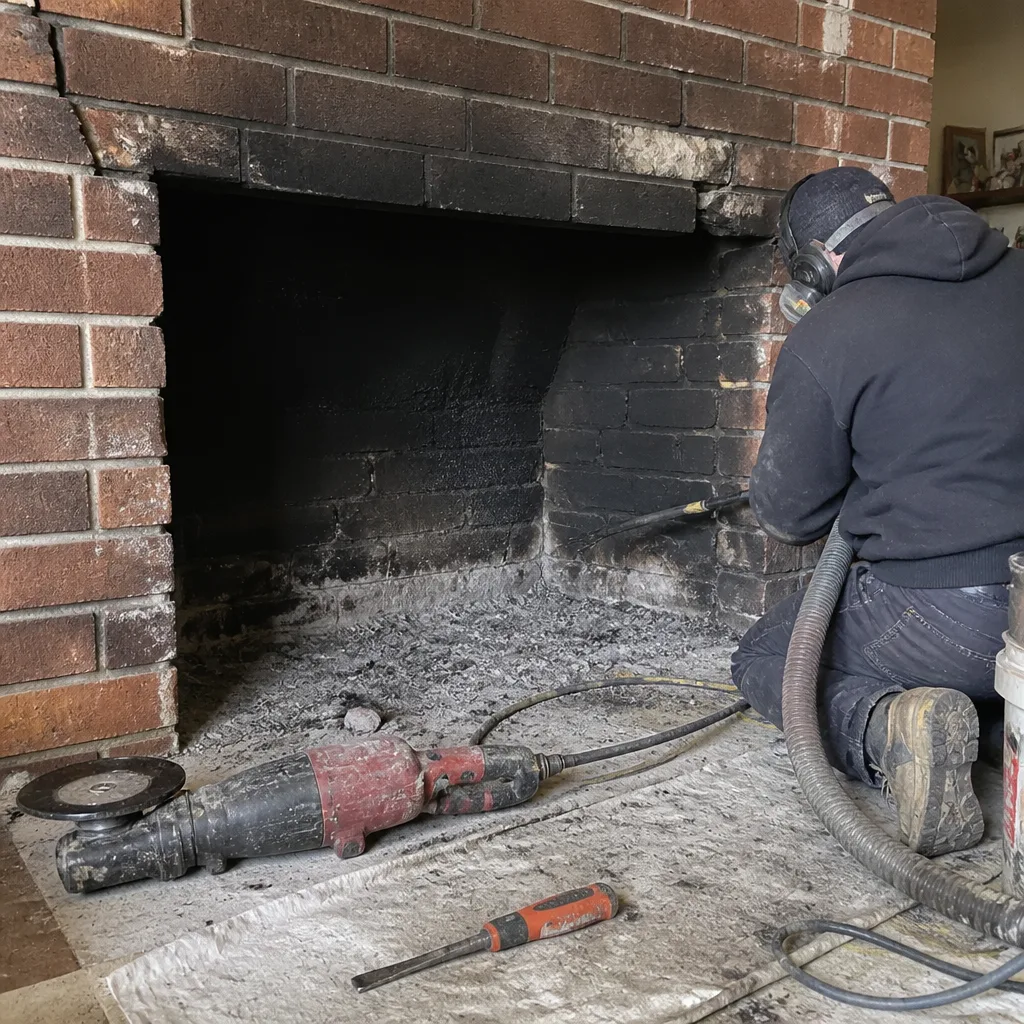 Before
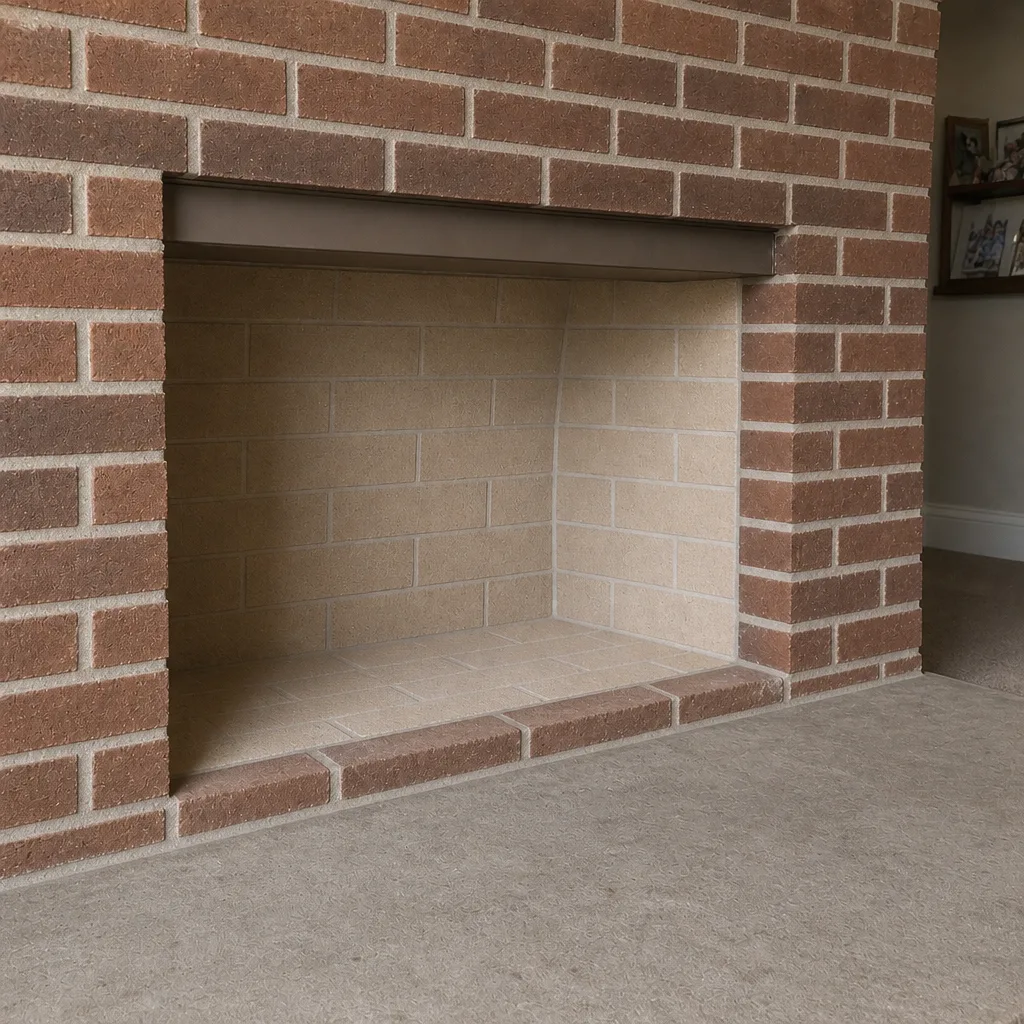 After
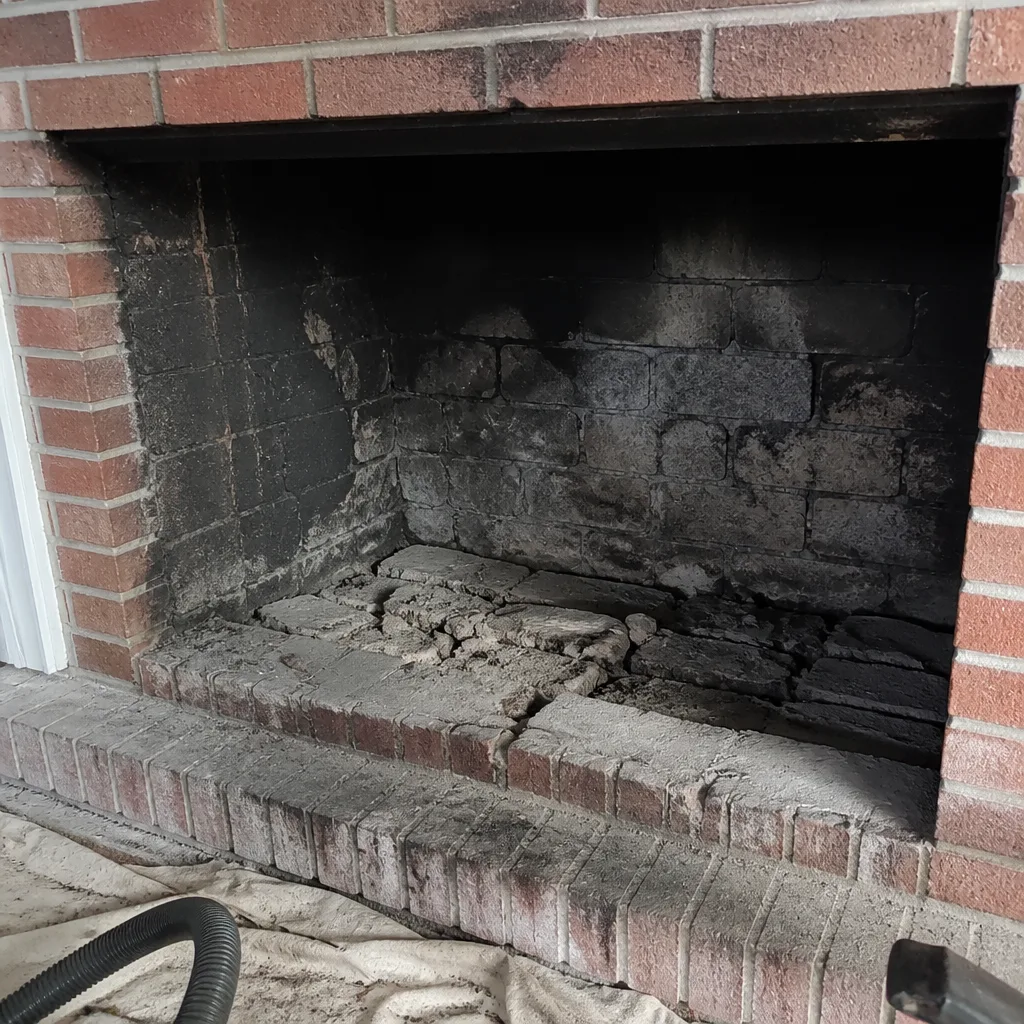 Before
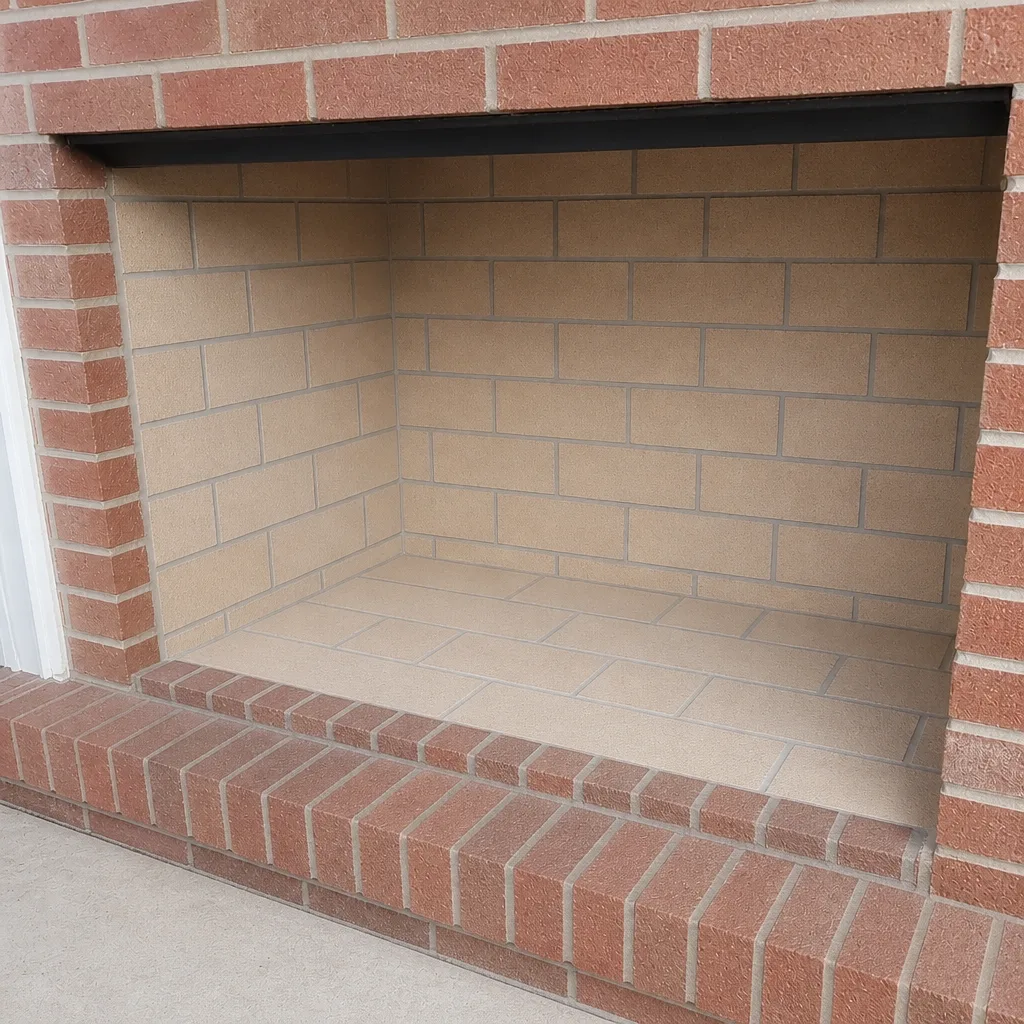 After
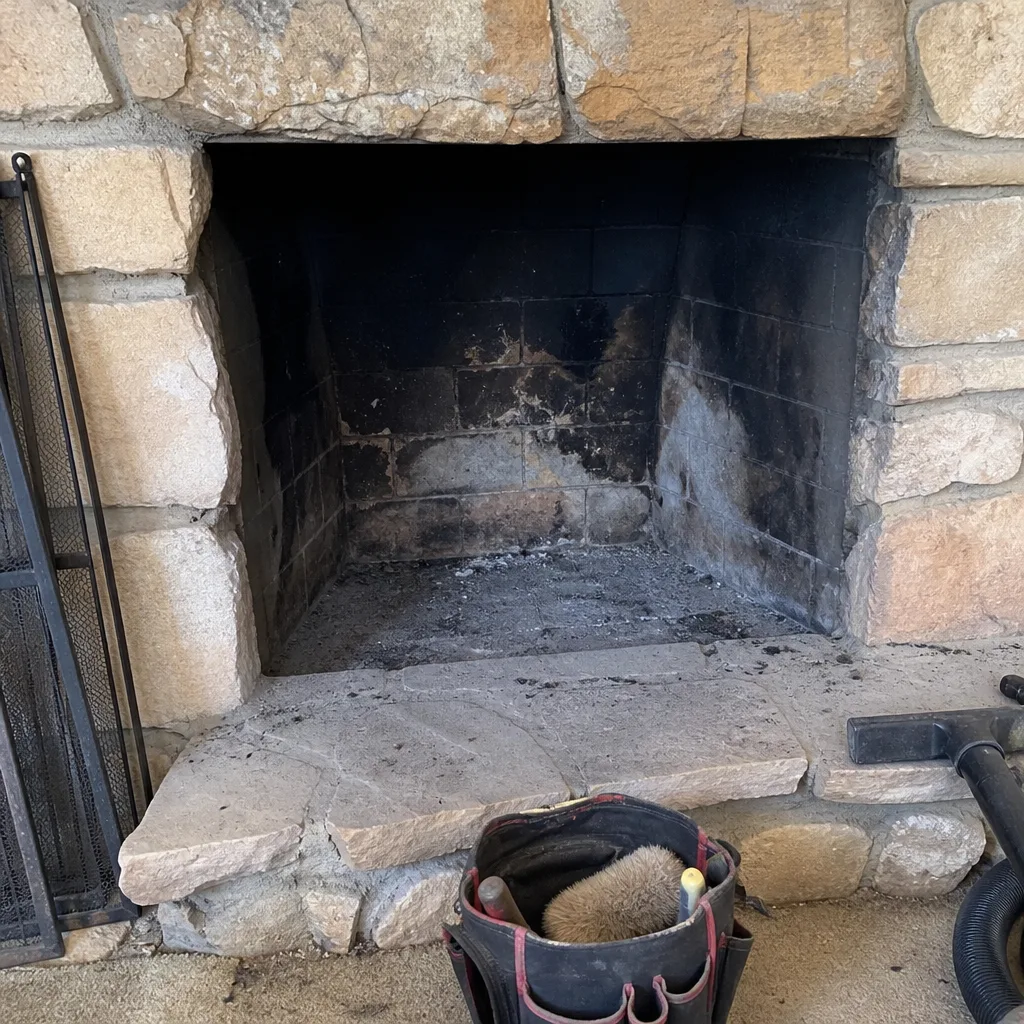 Before
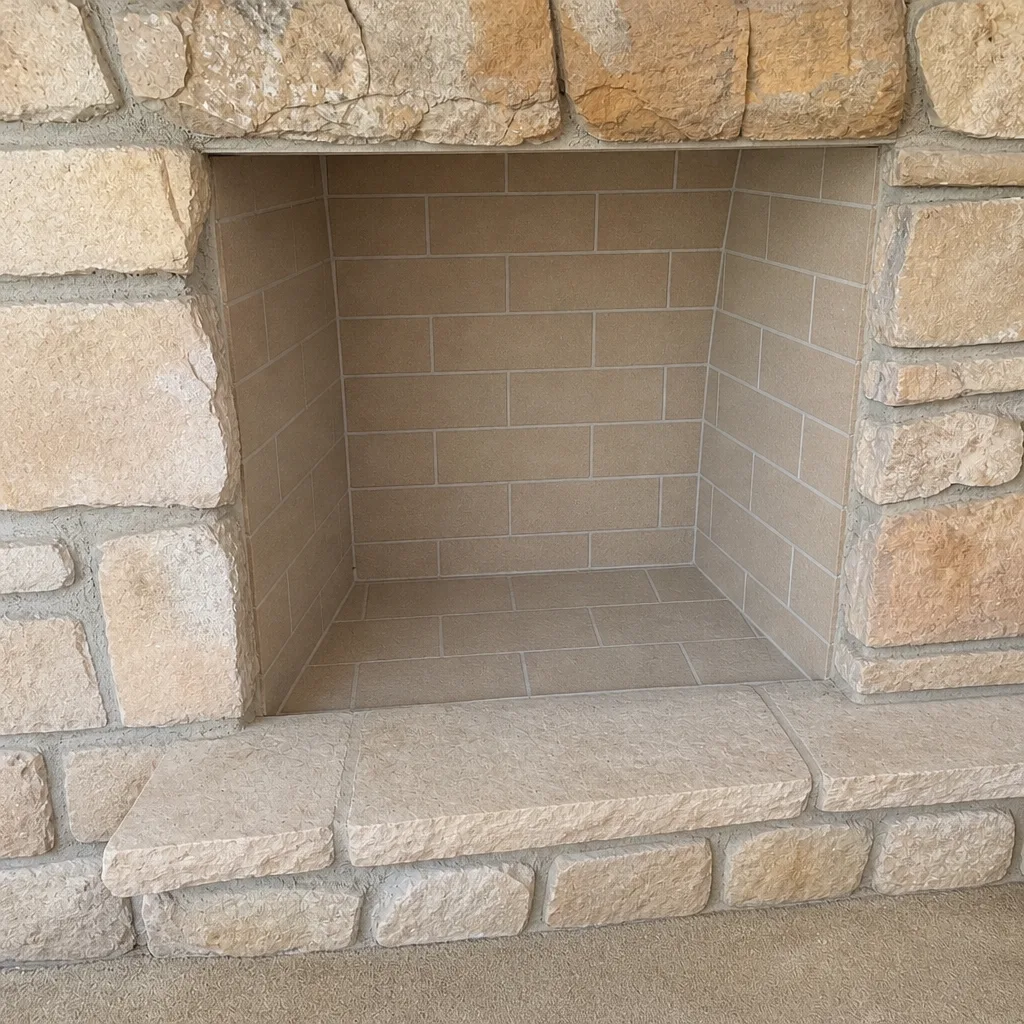 After
When to Call a Professional
Call for a professional chimney sweep and inspection if you notice any of the following in Orem: smoke rolling into the room, a musty or acrid smell when the fireplace is cold, efflorescence or spalling on the exterior masonry, a cap that’s loose or missing its screen, a damper that won’t close, water in the firebox, or a fire event you can’t verify the aftermath of. Call earlier if the smell is sulfur or if the fireplace hasn’t been swept in over a year and you burn regularly. If the firebox has visible cracks through to the wall cavity, stop using the fireplace and call. Camera evidence is how we tell you what actually needs work and what can wait, and nothing gets recommended without it. Our technicians have up to 12 years of experience with these systems, and we work from a professional-grade brand stack including Olympia Chimney and Copperfield. Orem Chimney Sweep Pros offers free estimates in Orem. Call (877) 523-5597. We answer 24/7. Fast dispatch from 7am to 7pm, Sunday through Friday. A call outside dispatch hours is booked into the next opening, Sunday through Friday, 7am to 7pm.
Frequently Asked Questions
Once a year is the standard, and more often if you burn frequently or burn wood that isn’t fully seasoned. The sweep interval should be set by what the camera sees, not by a calendar reminder alone. If you burn regularly through the winter in Orem, book the sweep before the next burning season rather than after.
The white stain is efflorescence, and it means water is moving through the masonry. It’s not mold and it’s not a cosmetic issue. The visible stain is the last stage of a process that’s been working on the mortar joints from the inside, so the next step is finding where the water is entering.
Rollback is a stop-using signal until a specialist has looked at it. It usually points to a flue-to-firebox mismatch, a smoke shelf blockage, or a pressure problem, and none of those are safe to burn through. Turn the fire out and call. We answer 24/7. Fast dispatch from 7am to 7pm, Sunday through Friday.
It’s the stack effect, and it’s the creosote residue. In summer, hot afternoons reverse the normal draft and pull interior air down through the flue, carrying the smell of any creosote buildup back into the room. If the smell is musty rather than acrid, the source is moisture in the structure. Both are reasons to schedule a sweep and inspection before the burn season starts.
No. A chimney fire that has gone out is not a chimney fire that’s been cleared, because the visible damage sits inside the flue. The heat can crack the liner and warp the damper, and a camera inspection is the only way to know whether the chimney is safe to use again. Call before the next fire.
A sweep cleans the flue and a camera inspection evaluates it. The two are different jobs. A sweep without a camera can’t tell you whether the liner has gaps, cracks, or offsets. A documented inspection with photos and video is what turns warning signs into an actual plan. Ask for an Orem Chimney Sweep Pros inspection if you want to see the images before work gets priced.
The Bottom Line
Most chimney warning signs get misdiagnosed rather than missed. Smoke behavior, odor profile, and exterior staining each point to a different part of the chimney system, and the fix depends on which part is failing. Efflorescence, a rusted cap, or a loose damper can be scheduled. Smoke rolling into the room, backdraft, a firebox crack through to the wall, or a recent fire event means stop using the fireplace. The center of all of it is a documented inspection with a camera and photos you can see yourself. In Orem, the freeze-thaw cycle in late winter is what turns a small crown crack into a real repair, so the best time to schedule a sweep is before that cycle starts. If you’re ready to see what’s actually inside your chimney, call (877) 523-5597 for a free estimate. If smoke is rolling back into the room, call first and stop burning until we’ve been out.
Written by the team at Orem Chimney Sweep Pros.