
Last updated November 25, 2026
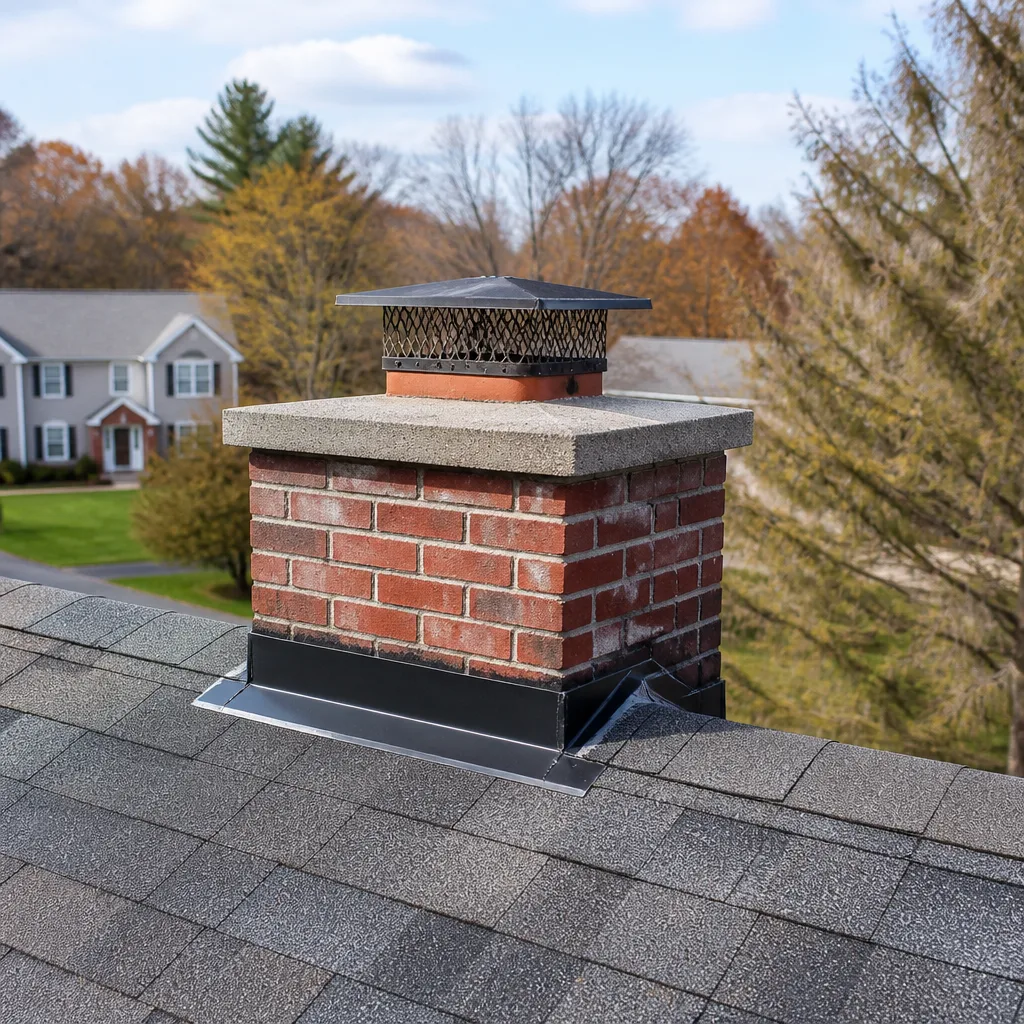 Sweep & inspection
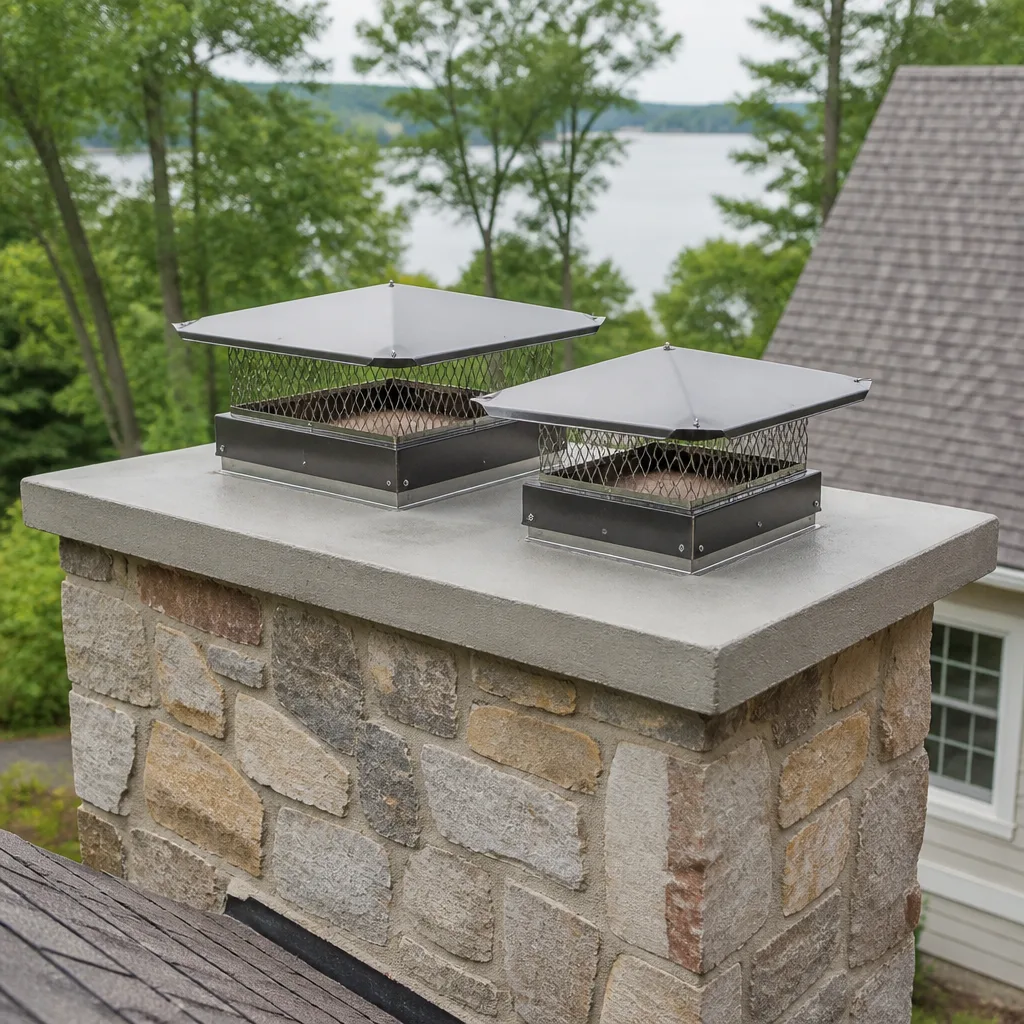 Caps & crowns
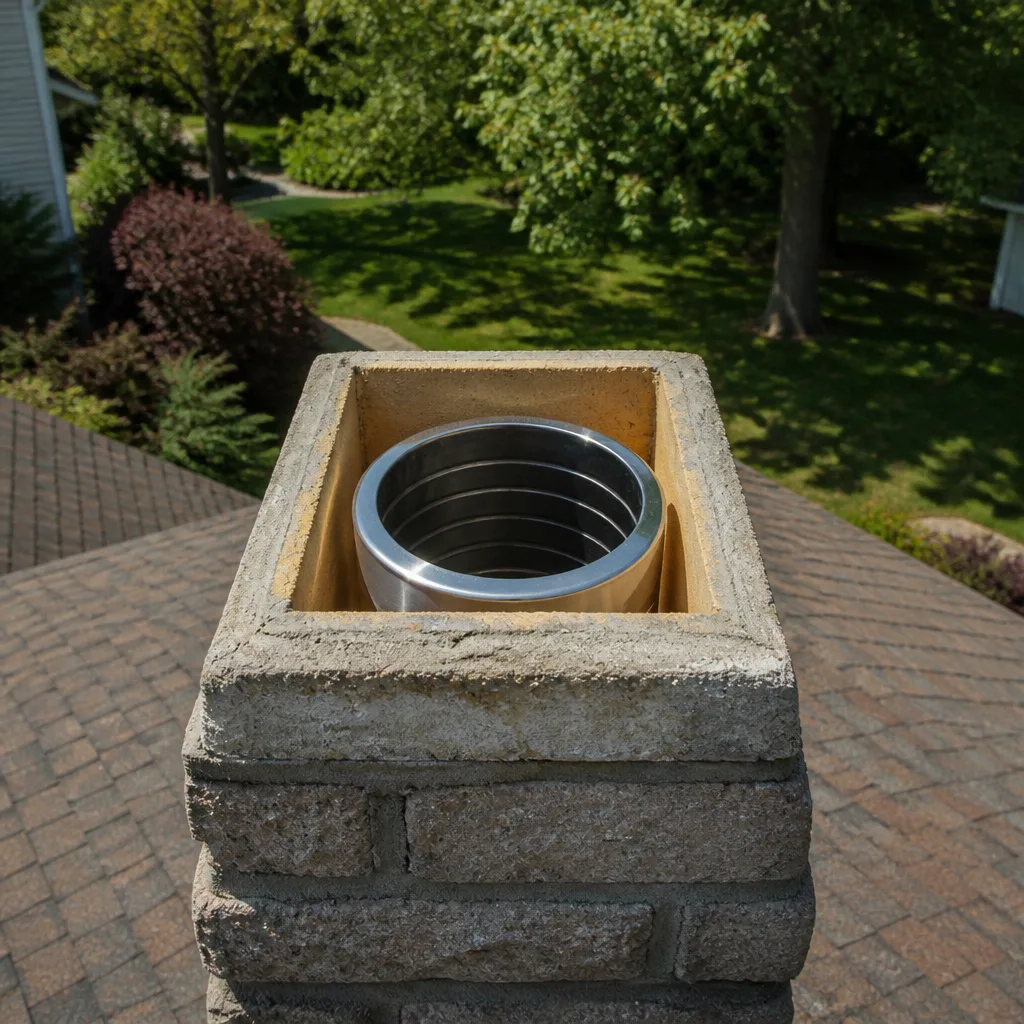 Flue relining
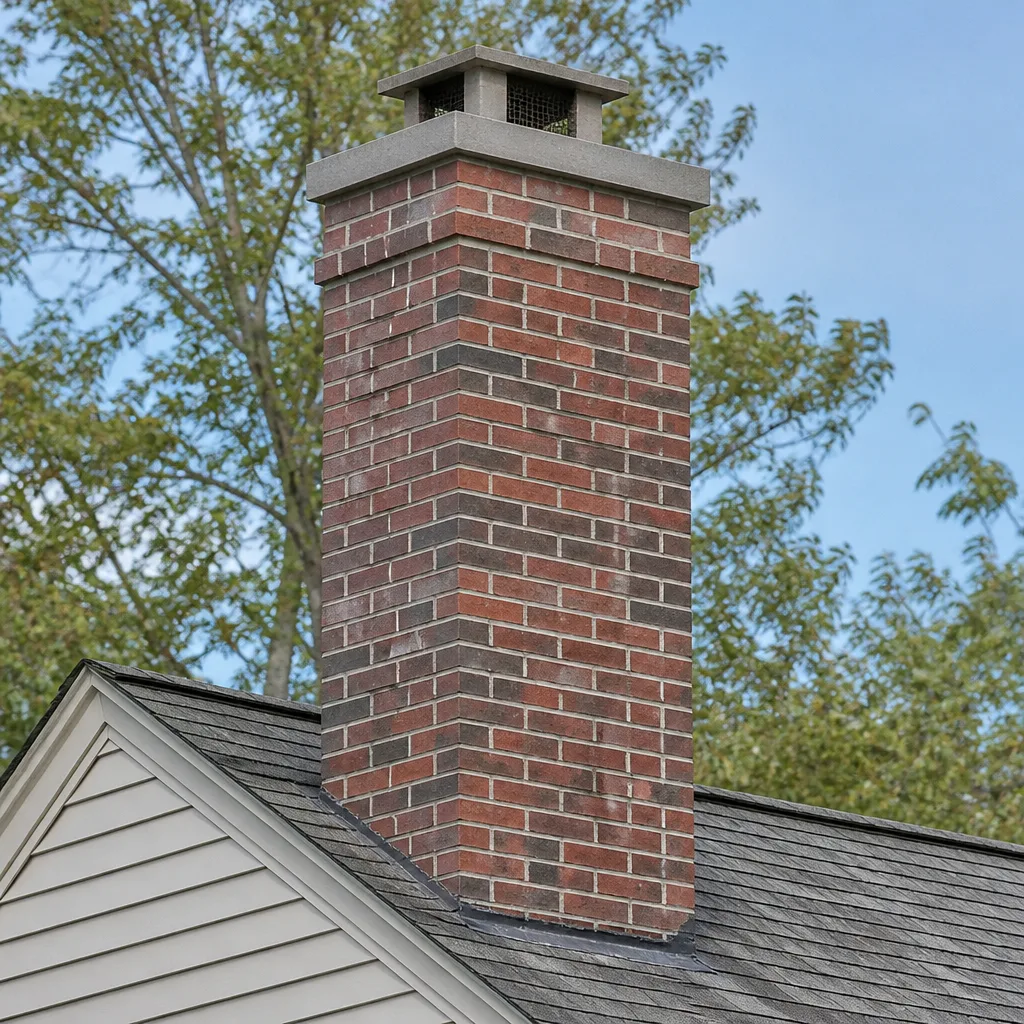 Masonry repair
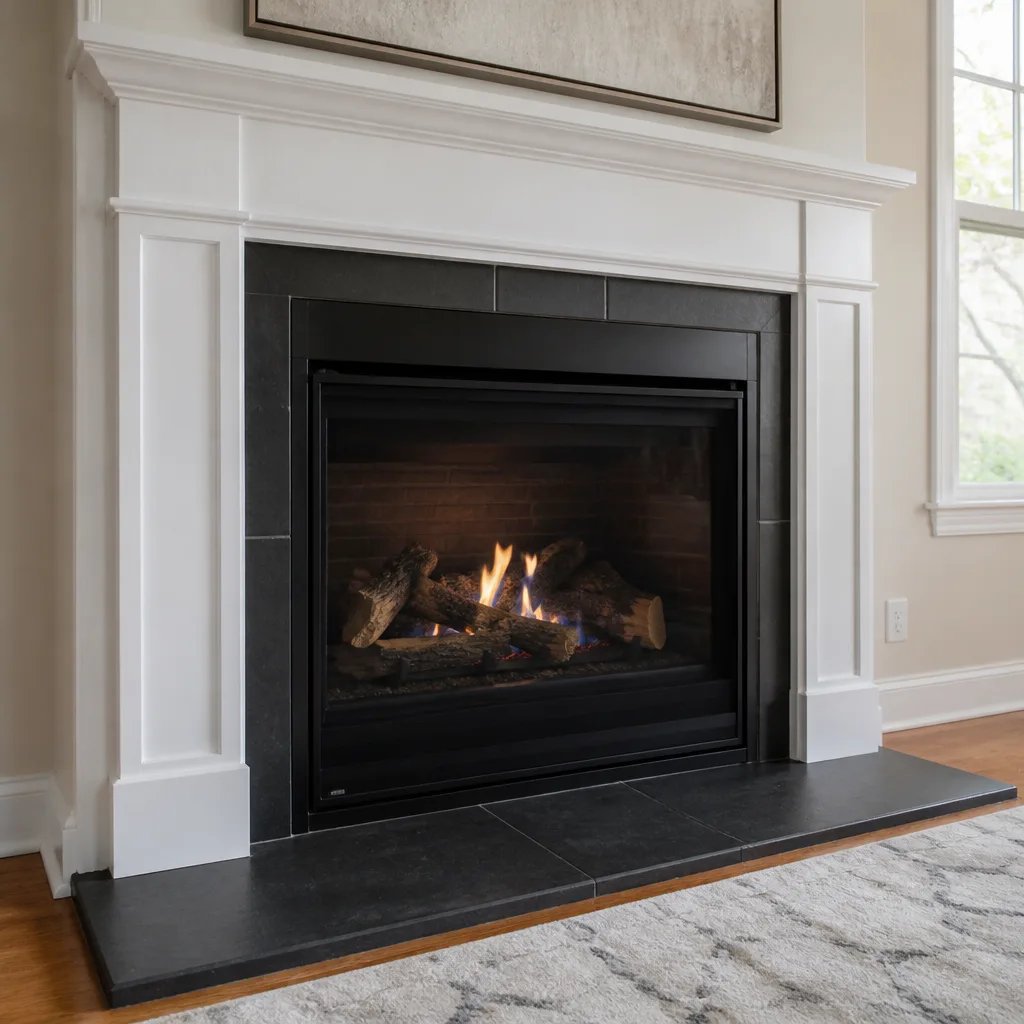 Gas fireplace service
Level 1 sweep and inspection to the NFPA 211 annual standard - flue, crown, cap, and flashing checked and photographed
Chimney sweep logs do not sweep chimneys. They loosen some creosote - which then falls where a brush and vacuum still have to collect it.
Chimney Sweep Maintenance Checklist for Orem Homeowners
The standard “sweep once a year” rule was written for the average homeowner burning seasoned hardwood, and averages rarely describe the actual house. If you’re burning pine because that’s what’s stacked in the backyard, running a wood insert that concentrates heat, or lighting the fireplace fewer than 10 times a season, that calendar is either more than you need or dangerously short of it. A checklist tied to real trigger points, your fuel, your burn volume, and Orem‘s freeze-thaw winters does more for your chimney than any date circled on a wall calendar. This guide lays out those triggers, the checks you can safely make yourself, and what to log so you can spot change over time.
Quick Answer
Chimney maintenance in Orem should be scheduled by burn volume and fuel type, not by the calendar alone. Get your system inspected and swept when creosote buildup or a cord of wood burned warrants it, do a firebox-level visual check before every burning season, and inspect the crown, cap, and mortar joints after each Orem winter for freeze-thaw damage. A documented annual inspection gives you the baseline that makes every later visit meaningful.
Styles & brands we work with
- Sweep & inspection
- Caps & crowns
- Flue relining
- Masonry repair
- Gas fireplace service
Table of Contents
- Sweep Triggers: Why Calendar Dates Fail
- Firebox-Level Checks You Can Do Yourself
- Freeze-Thaw Damage: What to Look For After an Orem Winter
- What to Log After Every Professional Visit
- Gas Inserts vs. Wood-Burning Systems: They Degrade Differently
- A Season-by-Season Maintenance Rhythm
- Common Mistakes to Avoid
- When to Call a Professional
- Frequently Asked Questions
Sweep Triggers: Why Calendar Dates Fail
A chimney should be swept when it has accumulated enough creosote to be a hazard, and that point arrives at different times for different homes. A family burning two cords of seasoned hardwood a winter will hit that threshold faster than someone who lights a fire a dozen times. A homeowner burning pine or green wood builds creosote faster than one burning dry hardwood. A gas appliance produces no creosote at all but still needs its venting checked. The annual sweep is a useful default, not a law of physics.
Here’s how we think about the real triggers, and why our chimney sweep scheduling starts with the fuel and the fire, not the calendar:
- Fuel type. Seasoned hardwood leaves less creosote than pine, softwoods, or unseasoned wood. If you’re burning pine or wood that sizzles, plan on a sweep sooner than the calendar suggests.
- Burn volume. Think in cords. A home burning a cord or more a season generally warrants an inspection and likely sweep before the next season; a home burning under 10 fires a season may be able to stretch the interval, and an inspection confirms whether it’s safe to.
- Insert or open hearth. A wood insert concentrates heat and changes how exhaust moves through the flue. It doesn’t get a pass just because it burns efficiently.
- Gas hours. A gas fireplace doesn’t produce creosote, but the venting, the burner, and the logs still need checking. Gas hours are a reason to inspect, not a reason to ignore.
The takeaway: the sweep interval should follow creosote buildup and your actual burning, and a documented inspection is how you find out where you stand. In our experience, most Orem homeowners who burn regularly land closer to an annual sweep, while light burners can honestly be told when work can wait.
Firebox-Level Checks You Can Do Yourself
You don’t need tools to catch a lot of problems early, and a few minutes at the firebox before each season is worth the effort. These are visual checks, not repairs. If something looks wrong, stop and get it inspected. Here’s what to look at:
- The firebox walls. Look for cracks, loose mortar, or crumbling refractory material. Hairline cracks that grow or material that’s separating need a professional eye.
- The damper. Open and close it and confirm it moves freely and seals when closed. A damper that sticks open wastes heat and lets cold air down.
- The smoke chamber above the damper. Shine a light up and look for heavy soot or buildup that’s narrowing the passage.
- The throat and lintel. Check for rust, sagging, or gaps where the firebox meets the flue.
- The hearth and surround. Look for cracked tile, loose stone, or gaps where heat could reach framing.
- The cap and crown from the ground. Use binoculars. Check that the cap is intact and the crown isn’t cracked or spalling.
- The exterior mortar. Look at the joints between bricks for crumbling or missing mortar, especially on the side that takes the weather.
None of this replaces a documented inspection, and none of it involves reaching into the flue or getting on a steep roof. Heights and the flue interior are where trained professionals belong. What these checks do is tell you when to pick up the phone, and give you specific things to point to when you do.
Freeze-Thaw Damage: What to Look For After an Orem Winter
Utah winters do specific damage to a chimney, and it’s worth understanding why. Water gets into small cracks and porous masonry, freezes, expands, and widens the crack; when it thaws, the next freeze pushes it further. Repeat that cycle across a winter and small flaws become real ones. The parts of the chimney that face the most weather and hold the most water are the crown on top and the mortar joints throughout, so those are where you look first each spring.
After an Orem winter, check these indicators:
- The crown. The concrete cap at the top of the chimney should be intact and sloped to shed water. Cracks, spalling, or a crown that’s pulling away from the flue are the classic freeze-thaw warning signs.
- The cap. A damaged or missing cap lets water and animals in. If the cap is cracked, loose, or improvised, it’s letting moisture reach the flue.
- Mortar joints. Crumbling, receding, or sandy joints mean water is already working in. This is the single most common wear item we’re asked to assess.
- Spalling brick faces. Brick faces that are peeling, flaking, or falling off point to moisture that’s trapped and freezing.
- Interior staining. Water stains on the ceiling or firebox, or a musty smell, can mean the crown, cap, or flashing is letting water through.
- The flashing at the roofline. Gaps where the chimney meets the roof let water into the structure, not just the masonry.
When the crown or mortar needs work, purpose-built components matter. We install Gelco and Famco crowns and caps because they’re made for the job, not improvised covers. Our chimney repair work often starts with exactly this damage, and a proper cap and crown is what protects the investment once the masonry is sound again.
What to Log After Every Professional Visit
The value of a professional visit isn’t only the cleaning. It’s the record. A documented inspection gives you a baseline, and every future visit is measured against it. When you can compare this year to last year, you spot change before it becomes a repair. When you can’t, every visit starts from zero and you’re relying on memory. Here’s what to keep after each visit:
- The inspection report itself. Keep the formal written assessment of your system’s condition, not a verbal summary.
- Photos. Any photos taken of the flue, firebox, crown, or cap. You want to be able to compare the same view year to year.
- What was cleaned and how it looked. Note the degree of creosote or soot so you can see whether your burning habits are trending better or worse.
- Any repairs or components installed. Record the brand and type of anything installed, from a Famco cap to a DuraFlex liner. This matters when you sell the home or need a matching part.
- Recommendations and watch items. If the technician flagged something to monitor, write it down with the date, and raise it next visit.
- The date and the fuel you burned that season. Note your cords burned and what kind of wood, so the next sweep interval can be set by evidence, not guesswork.
Keep the folder somewhere you’ll actually find it. In our experience, the homeowners who get the most from their maintenance are the ones who hand over a record and ask, “What changed since last time?” That single question turns a routine visit into a trend line.
Gas Inserts vs. Wood-Burning Systems: They Degrade Differently
A gas fireplace insert and a wood-burning system wear out in different ways, and a maintenance checklist that treats them the same misses what each one actually needs. The simplest way to think about it: wood systems collect creosote and soot, gas systems don’t, but gas systems have their own venting and component issues that are easy to overlook because there’s no visible mess.
Wood-burning systems
- Creosote is the main event. It builds in the flue, and the degree of buildup drives the sweep interval.
- The flue liner takes the heat. Deteriorating liners are a real wear item, and not every deteriorated liner needs full replacement. HeatShield ceramic resurfacing is a durable repair for liners that are declining but not yet ready for replacement.
- Offsets and bends matter. Chmneys that aren’t straight can be hard to line correctly. DuraFlex flexible liner systems are designed for flues with offsets or bends where rigid liners don’t fit properly.
- The firebox and damper take direct heat and wear, so those are the components to check each season.
Gas inserts and fireplaces
- No creosote, but venting still needs checking. Gas systems vent moisture and combustion byproducts, so the vent and cap need to be sound and clear.
- Burner and log condition. Burners, logs, and the firebox interior degrade over time and should be checked as part of an inspection.
- The cap matters just as much. Water and animals don’t care what fuel you burn. A proper cap protects a gas system’s venting the same way it protects a wood flue.
- Gas hours are a trigger for inspection and component checks, not a reason to skip maintenance.
Whichever you burn, the cap and crown protect the whole system. And if a gas or wood fireplace needs work beyond cleaning, our fireplace repair covers the firebox and the components around it.
A Season-by-Season Maintenance Rhythm
Orem’s climate gives the year a natural rhythm for chimney care, and it lines up with the seasons rather than arbitrary dates. Here’s how we’d organize the year, from late-summer prep through the freeze-thaw damage a Utah winter can leave behind:
- Late summer: pre-season check. Before the first fire, do your firebox-level visual checks and get your inspection and sweep on the calendar. This is also the time to confirm the cap and crown are intact before weather arrives.
- Fall: first fire and burning-season logging. Do a quick visual check before the first fire of the season, then note your cords burned and your fuel type as the season progresses so the next sweep interval is set by evidence.
- Winter: watch, don’t ignore. Keep an eye out for interior staining or smells, and pay attention to how the fire is drawing. If something changes, that’s a call, not a wait.
- Spring: post-winter inspection. This is the most important check for Orem. Walk the exterior, look at the crown, cap, mortar, and brick faces, and note anything that changed over the winter. Freeze-thaw damage shows up now.
- Spring into summer: repair window. If the crown, cap, mortar, or liner needs work, this is the season to get it done, so it’s protected before the next winter cycle.
One more rhythm to respect: safety. Creosote buildup in a flue can fuel a chimney fire, and a blocked or damaged flue can let combustion byproducts, including carbon monoxide, back into the home. That’s not a scare tactic; it’s the reason this checklist exists. An inspection is how you find out whether your system is sound before the next season.
Common Mistakes to Avoid
- Sweeping by the calendar alone. A light burner and a heavy pine burner are not on the same schedule. An inspection tells you what your chimney actually needs; the calendar just reminds you to look.
- Burning unseasoned or softwood without adjusting the plan. Pine and green wood build creosote faster than seasoned hardwood. If that’s your fuel, plan on a tighter sweep interval and don’t assume last year’s schedule still holds.
- Ignoring the crown and cap. The crown and cap are what keep water out, and water plus Orem’s freeze-thaw cycles is what does the lasting damage. A sound crown and a proper cap protect everything underneath.
- Treating a gas insert as maintenance-free. No creosote doesn’t mean no maintenance. The venting, burner, and log condition still need checking, and the cap protects the vent just the same.
- Skipping the logbook. Without a record, every visit starts from scratch and you can’t spot change. Keep the report and the photos, and compare year to year.
- Letting a generalist take on specialized work. Chimney work involves the flue, crown, cap, liner, and firebox as one system. A specialist focuses on that system and nothing else, and the materials matter, from DuraFlex liner systems to HeatShield resurfacing.
- Assuming a cracked crown can wait indefinitely. Sometimes it can wait, and we’ll say so. Sometimes a small crack is the start of a bigger repair. Camera evidence and a documented report tell you which.
When to Call a Professional
Some chimney problems need hands and eyes, not a firebox-level look. Call a professional if you see cracked or crumbling mortar, a damaged crown or cap, spalling brick faces, or interior staining that suggests water is getting in. Call if the damper sticks or doesn’t seal, if the fire isn’t drawing the way it used to, or if you smell smoke or a musty odor in the house. Call if a wood liner shows signs of deterioration, or if you don’t have a documented inspection you can compare against. And call before your prep for the season, so any needed repairs land before winter freeze-thaw cycles make them worse. Orem Chimney Sweep Pros offers free estimates in Orem; call (877) 523-5597. Estimates are free, and you’ll get a documented assessment you can see for yourself, not a recommendation to take on faith.
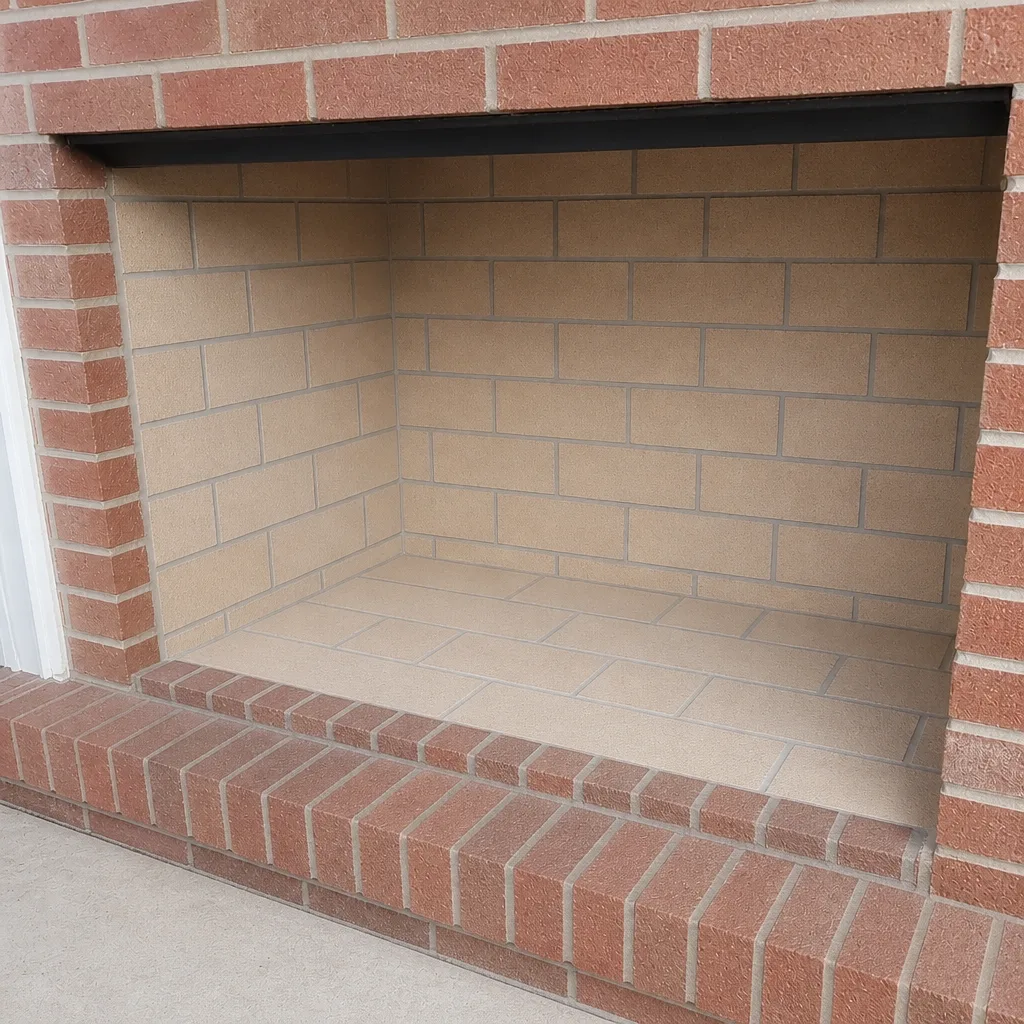
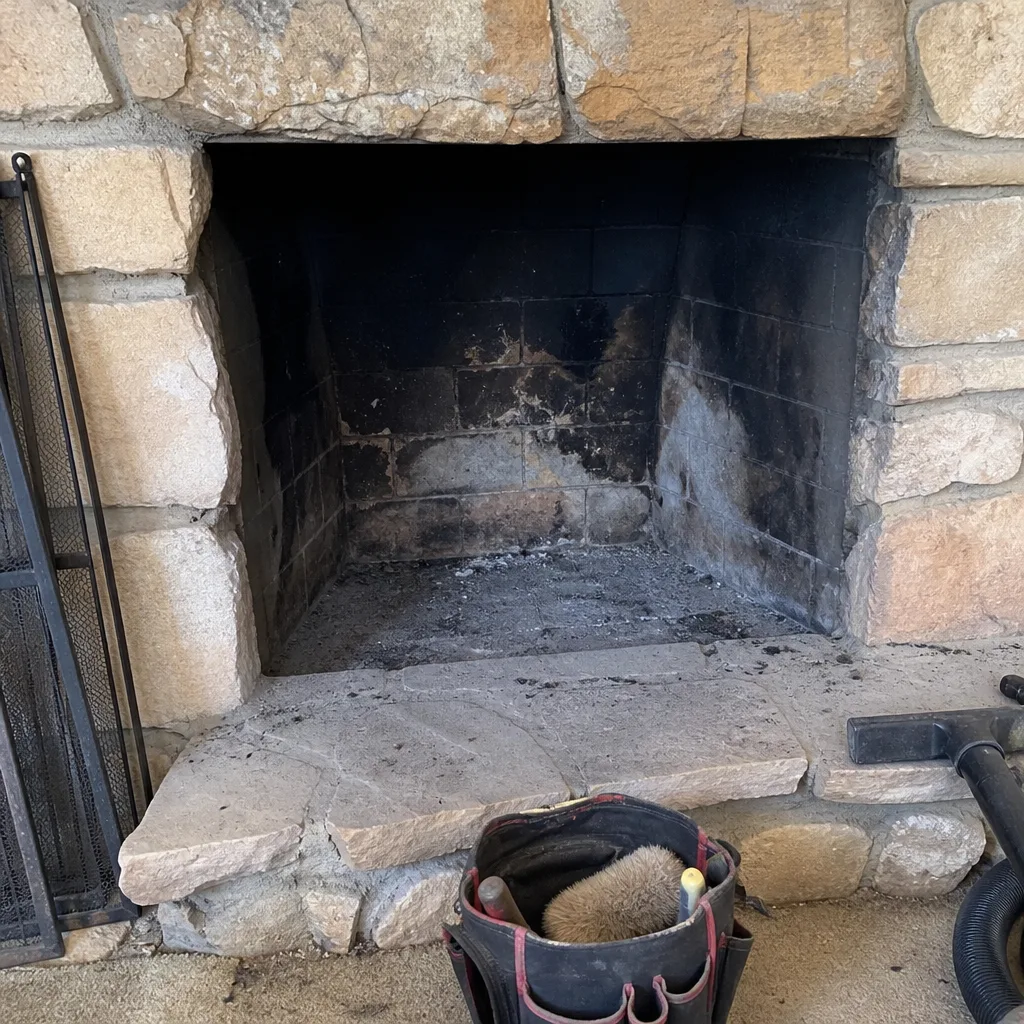
See the difference
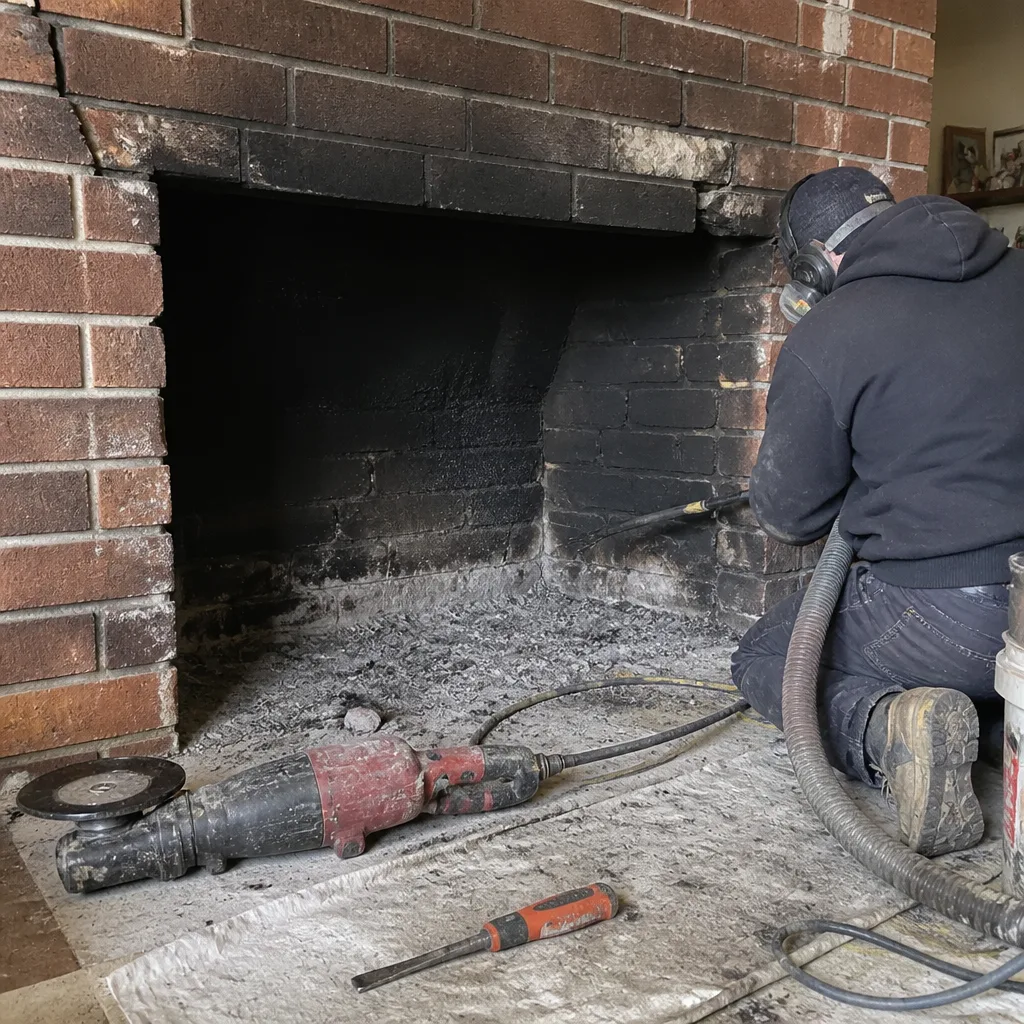 Before
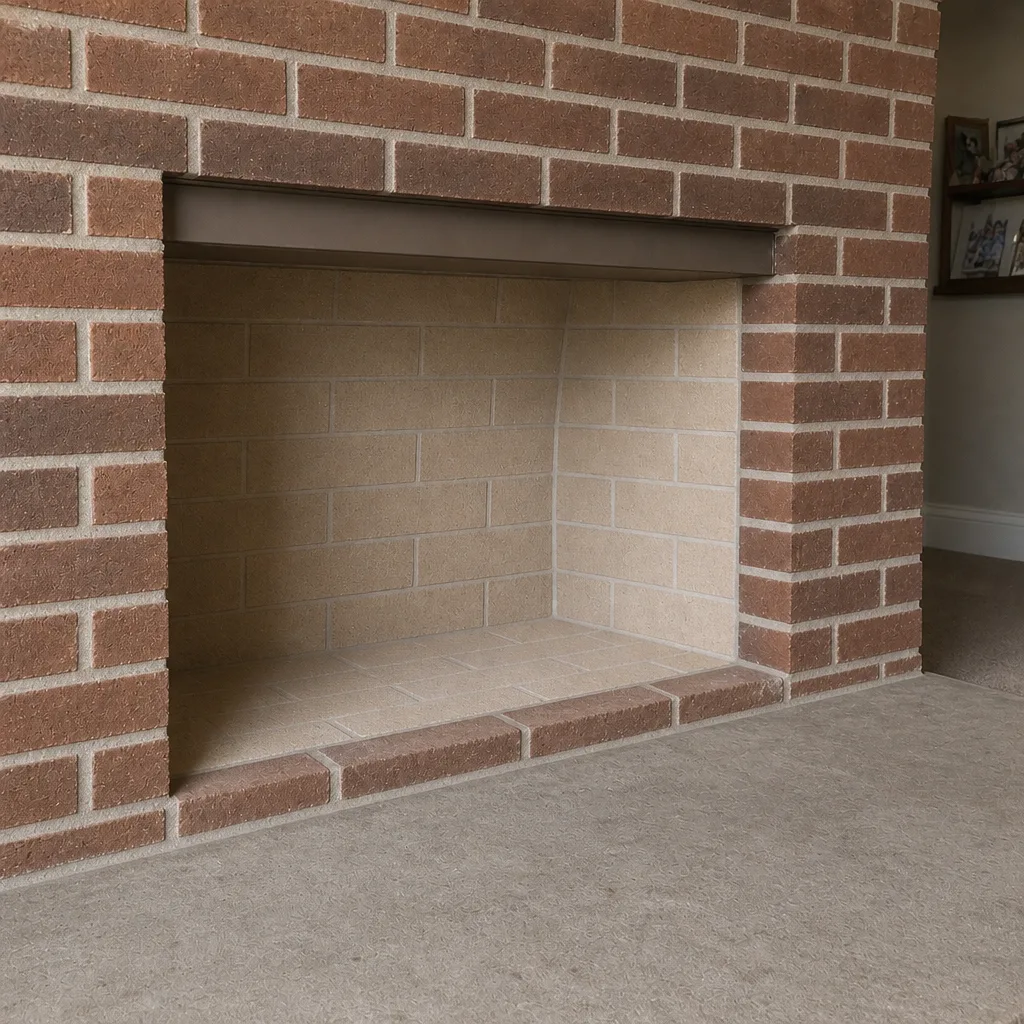 After
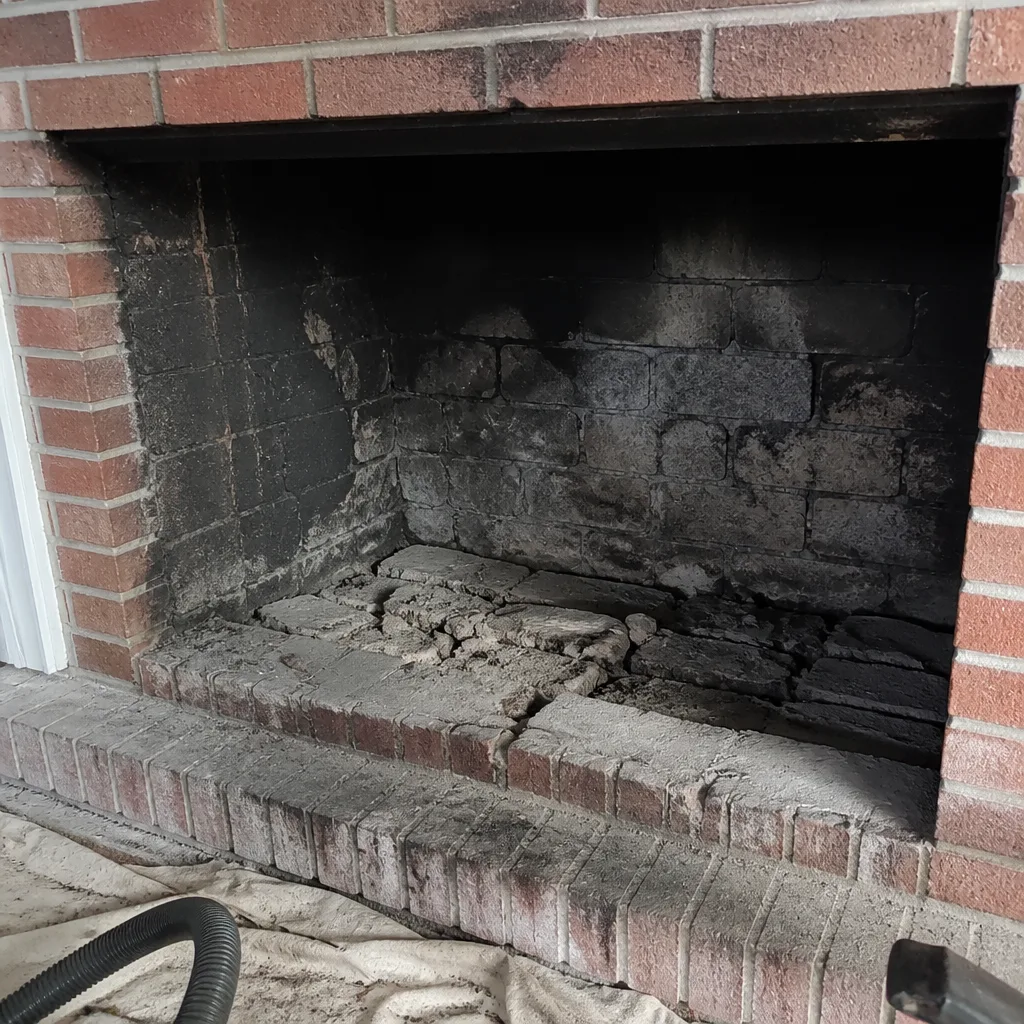 Before
 After
 Before
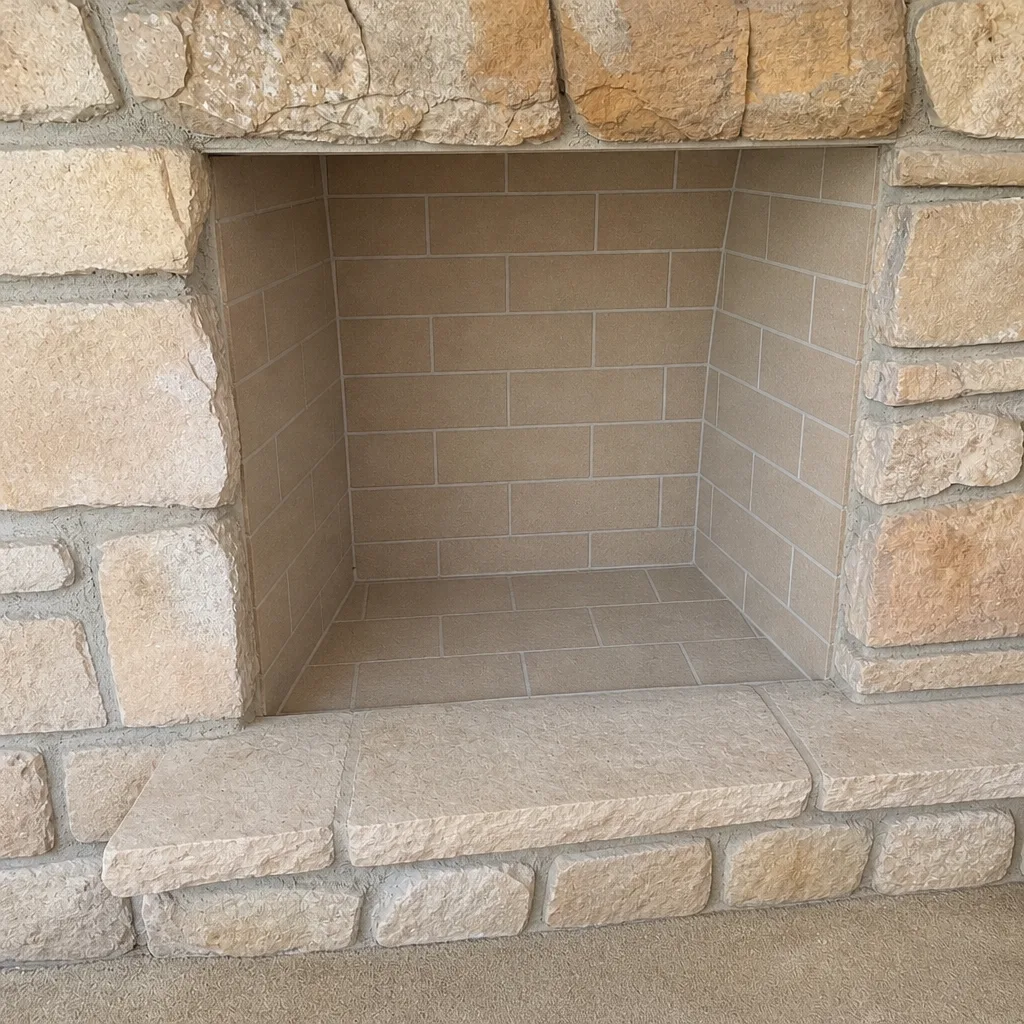 After
Frequently Asked Questions
Most Orem homes that burn regularly warrant an inspection and likely sweep before each burning season, but the real trigger is creosote buildup and your fuel, not the calendar. A home burning pine or a cord or more a season may need a tighter interval than one with under 10 fires a season. A documented inspection tells you where you stand. Call (877) 523-5597 for an exact estimate; estimates are free.
Not every deteriorating liner needs full replacement. HeatShield ceramic resurfacing is a durable repair for liners that are declining but not yet ready for replacement, and it’s a specialized process not every chimney company can perform. A documented inspection with camera evidence shows whether a liner can be resealed, or whether replacement with DuraFlex flexible liner is the right call. You’ll see the evidence yourself. Call (877) 523-5597 to get an estimate.
Look at the crown, cap, mortar joints, and brick faces each spring. Cracks, spalling, and crumbling joints are the classic freeze-thaw damage indicators, because water gets in, freezes, and widens the flaw. Interior staining or a musty smell can point to water coming in. If you see any of these, get a documented inspection. Call (877) 523-5597 for a free estimate.
No, and they degrade differently. A gas insert doesn’t produce creosote, but its venting, burner, logs, and cap still need checking, and water damage doesn’t care what fuel you burn. A wood system’s main concern is creosote and liner wear. Both should get a documented inspection and a sound crown and cap. Call (877) 523-5597 for an exact estimate.
Skipping it means you’re flying blind on creosote buildup, liner condition, and freeze-thaw damage to the crown and mortar. Creosote buildup can fuel a chimney fire, and a damaged or blocked flue can let combustion byproducts, including carbon monoxide, back into the home. A documented inspection is how you catch problems early. Call (877) 523-5597; estimates are free.
Keep the written inspection report, any photos, a record of what was cleaned, any components or brands installed (from a Famco cap to a DuraFlex liner), and any watch items with the date. Note your cords burned and fuel type each season. That baseline is what lets you spot change year to year. Call (877) 523-5597 to book a documented inspection and estimate.
The Bottom Line
Chimney maintenance is about triggers, not dates. Match your sweep interval to fuel and burn volume, do firebox-level visual checks before and after each season, and inspect the crown, cap, and mortar after every Orem winter for freeze-thaw damage. Keep a log after each professional visit so every inspection is measured against a baseline, and treat gas and wood systems as the different systems they are. The checklist keeps you in front of problems instead of behind them, and a documented inspection is where it starts.
We bring professional-grade materials from brands chimney specialists trust, work your chimney system as one integrated whole, and treat every recommendation as something you should see for yourself. Our technicians have up to 12 years of experience, and we’re the specialist, not a generalist. You’ll find the full picture at Orem Chimney Sweep Pros, and when it’s time to book, call (877) 523-5597. We answer 24/7, fast dispatch from 7am to 7pm, Sunday through Friday. Estimates are free, and the price is set per job by the written estimate.
Written by the team at Orem Chimney Sweep Pros.