
Last updated November 25, 2026
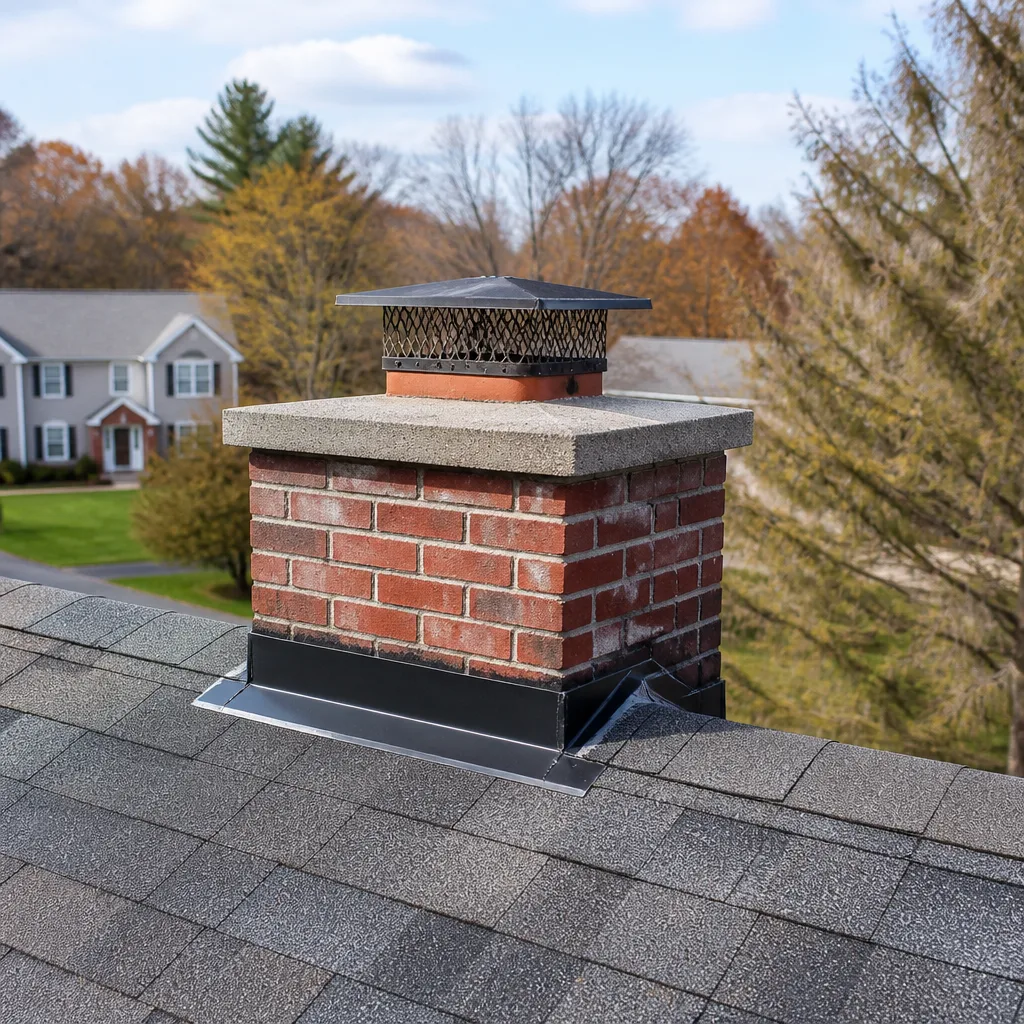 Sweep & inspection
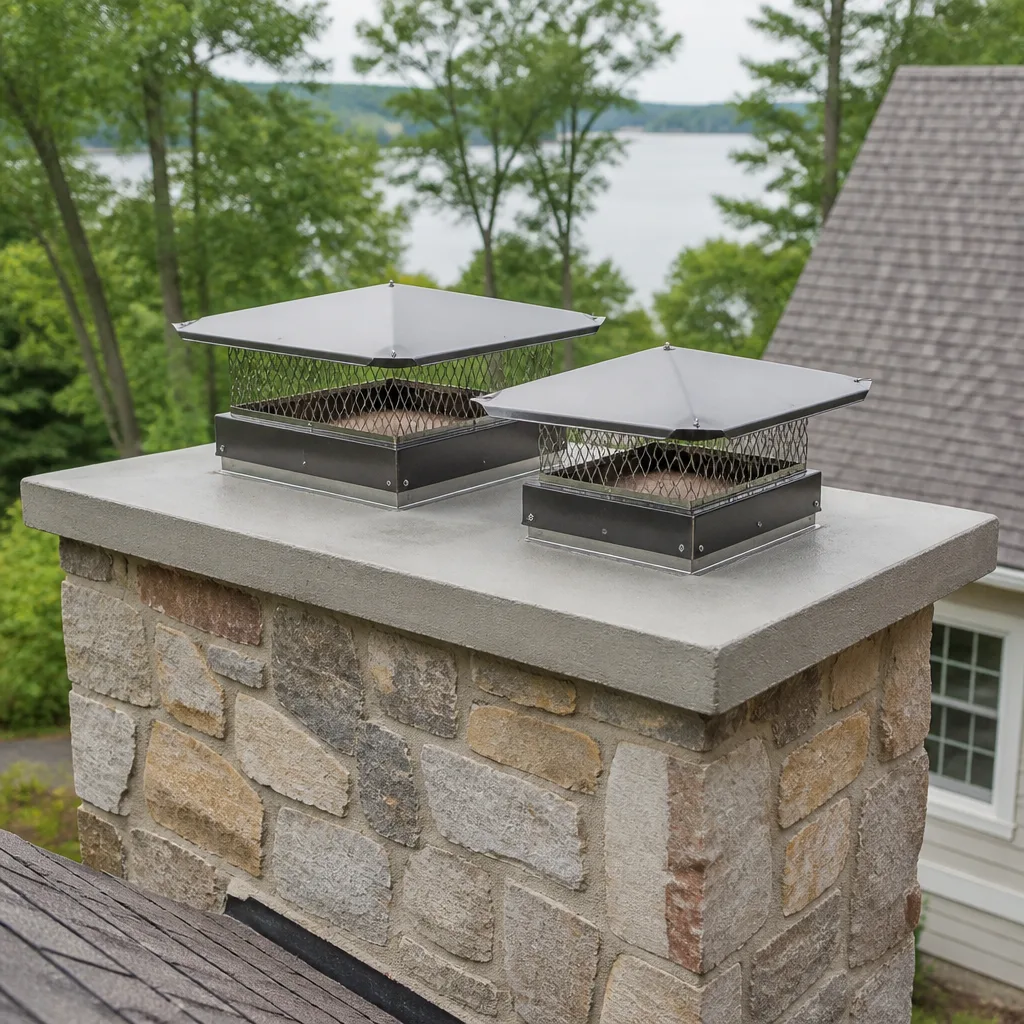 Caps & crowns
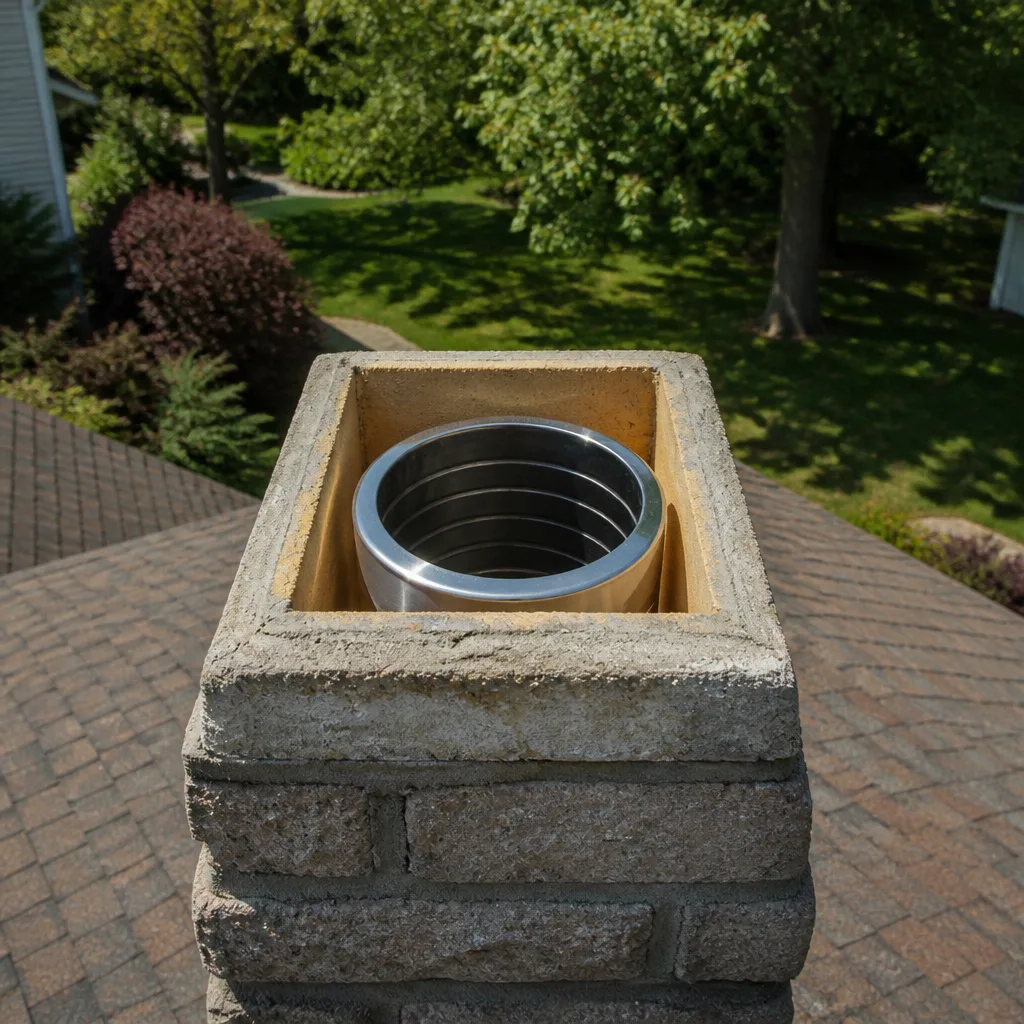 Flue relining
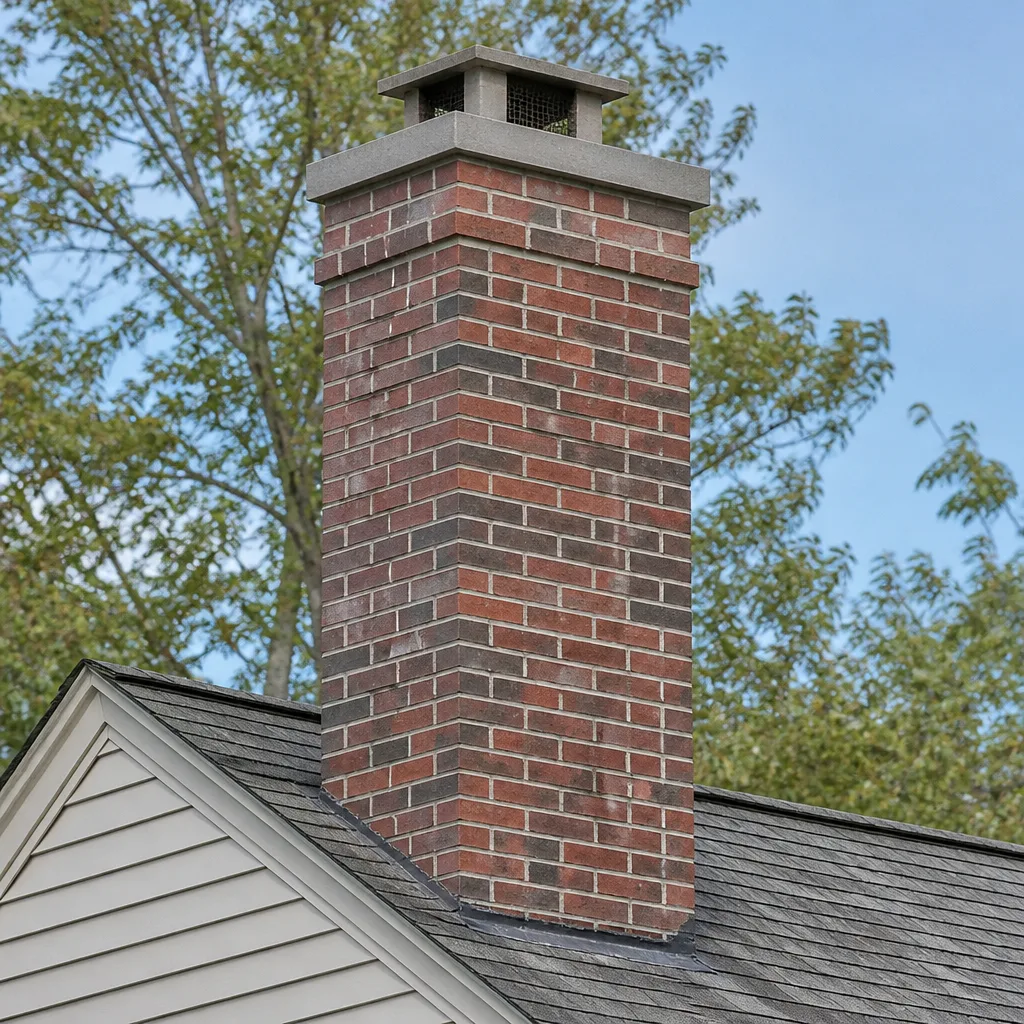 Masonry repair
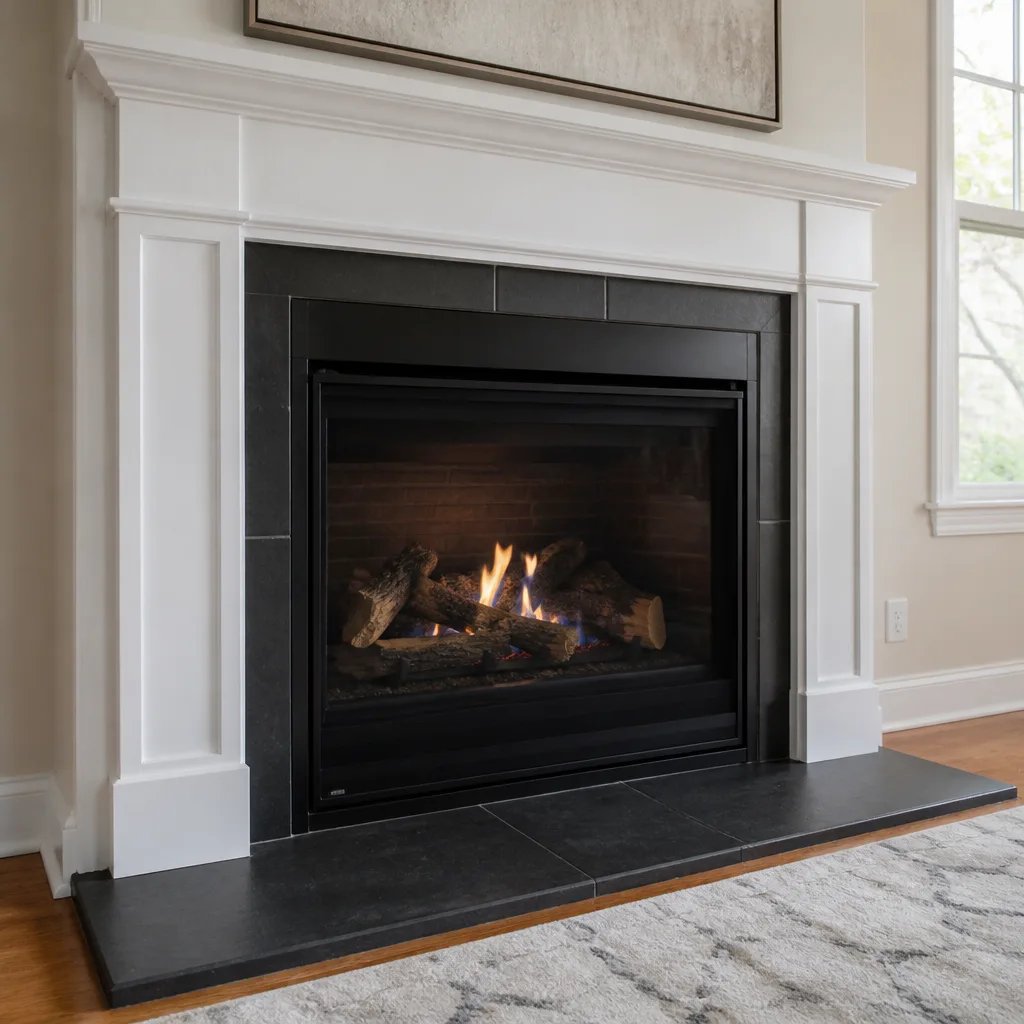 Gas fireplace service
Level 1 sweep and inspection to the NFPA 211 annual standard - flue, crown, cap, and flashing checked and photographed
Chimney sweep logs do not sweep chimneys. They loosen some creosote - which then falls where a brush and vacuum still have to collect it.
Choosing the Right Chimney Cleaning Brand: A Buyer’s Guide for Orem
Most homeowners shopping for chimney work compare price, and that’s the first mistake. The real difference between two quotes that read “stainless steel liner installed” often isn’t labor or markup. It’s the metal. A 304 stainless liner in a wood-burning system will oxidize and fail years before a correctly specified 316Ti liner, and both contractors can hand you a quote for “a stainless liner” at very different prices. What you’ll learn here is how to read those differences: liner alloys, cap and crown products, waterproofing categories, creosote treatments, and the one question that tells you whether a contractor is buying on specification or on price. In Orem, where wood heat is common and the canyon wind is real, the gap shows up faster than most people expect.
Quick Answer
The right chimney cleaning brand is the one whose products match your fuel type and your chimney’s geometry, and whose components are professional-grade rather than hardware-store substitutes. In practice that means specifying the liner alloy to the appliance (316Ti for wood, aluminum for properly vented gas), using purpose-built caps and crowns instead of fabricated covers, and choosing vapor-permeable waterproofing over film-forming sealants. Ask any contractor what brand and alloy they’re installing before they start, and treat a vague answer as a signal.
Styles & brands we work with
- Sweep & inspection
- Caps & crowns
- Flue relining
- Masonry repair
- Gas fireplace service
Table of Contents
- Why the Liner Alloy Matters More Than the Word “Stainless”
- Caps and Crowns: Brand Products vs. Fabricated Covers
- Waterproofing Sealants: Vapor-Permeable vs. Film-Forming
- Creosote Treatment Products: What They Can and Can’t Do
- When Resurfacing Beats Replacement
- The One Question That Reveals a Contractor’s Priorities
- How Orem Conditions Stress Chimney Materials
- Buying a System, Not a Shopping List of Parts
Why the Liner Alloy Matters More Than the Word “Stainless”
“Stainless steel” describes a family of alloys, not a single product, and the difference between grades is the difference between a liner that lasts the life of the appliance and one you’ll be replacing in the middle of your heating years. When a contractor quotes a liner, the alloy is the specification that matters most.
The three grades you’ll encounter in residential chimney work:
- 304 stainless. A general-purpose stainless alloy. Fine for certain low-acidity, low-temperature applications, but it doesn’t hold up to the acidic condensate wood smoke produces over time. Used where the fuel and venting conditions are mild.
- 316Ti stainless. A titanium-stabilized alloy built for higher temperatures and the corrosive byproducts of wood combustion. This is the grade wood-burning appliances generally call for, and it’s why a correctly specified wood liner costs more than a bare “stainless” quote.
- Aluminum. The correct choice for gas appliances that are properly vented, and the wrong choice for wood. Aluminum isn’t built for the heat or the acidic environment of a wood fire.
Here’s the part that trips people up. Two contractors can both say “we’ll install a stainless liner” and mean 304 versus 316Ti, and the price gap between those quotes is mostly metal. That’s not a markup difference; it’s a specification difference. In our experience, a liner chosen on price alone is the one most likely to come back as a problem years later. Flexible systems like DuraFlex are built around these alloy specs so the right grade goes into the right appliance, and the flexibility matters in Orem’s older homes where flues often have offsets and bends that a rigid liner can’t follow correctly. When a contractor tells you rigid is the only option for your chimney, ask why, because a flexible system exists for exactly that geometry.
Caps and Crowns: Brand Products vs. Fabricated Covers
A chimney cap is the first line of defense against water, animals, and downdrafts, and the difference between a purpose-built cap and an improvised cover shows up within a few winters. Orem sits at the base of the mountains, which means intense summer UV, real freeze-thaw swings in winter, and wind that funnels down off the canyon. A fabricated cover assembled from sheet metal and screws may look fine on installation day. Over seasons of UV exposure and expansion and contraction, thin material warps, seams open, and fasteners work loose.
Purpose-built caps from a brand like Gelco are engineered as a single component with the right gauge of metal, proper fastening, and a design that handles both airflow and weather. The difference isn’t cosmetic. A cap that warps or seals poorly lets water into the flue, which is the start of the deterioration chain that leads to cracked crowns, damaged liners, and eventually structural repair. The cap is cheap compared to what it protects.
Crowns work the same way. The crown is the masonry or concrete cap at the top of the chimney that sheds water away from the stack. A cracked or poorly sloped crown is one of the most common findings in a documented inspection, and it’s a quiet culprit: water seeps in, freezes, expands, and pries the masonry apart. Purpose-built crown products from a brand like Famco are formulated to flex and shed water rather than crack under the same thermal cycling that breaks a poured-in-place crown. The freeze-thaw cycle in Orem is hard on anything rigid and porous, which is exactly why the crown material matters. If you’re already having a chimney sweep done, ask whether the technician looks at the crown while they’re up there. A sweep that never checks the crown is missing half the system.
Waterproofing Sealants: Vapor-Permeable vs. Film-Forming
This is the section where well-intentioned homeowners do the most accidental damage. Waterproofing a chimney sounds straightforward: seal the masonry so water stays out. But the wrong category of sealant traps moisture inside the masonry and causes the exact damage it was meant to prevent. The distinction is vapor-permeable versus film-forming.
- Vapor-permeable sealants repel liquid water from outside while still allowing moisture vapor to escape from inside the masonry. Masonry is porous and always holds some moisture; the goal is to let it breathe out.
- Film-forming sealants create a solid barrier on the surface. Water can’t get in, but moisture already inside the masonry can’t get out either. When that trapped moisture freezes and expands, it spalls the surface and drives cracks deeper.
In Orem’s freeze-thaw climate, a film-forming sealant applied to a masonry chimney is a trap waiting to spring. The freeze-thaw cycling pushes trapped moisture to break the bond, and once a film-forming coating starts to fail it peels and takes masonry surface with it. A vapor-permeable product lets the stack dry from the inside out. When a contractor proposes waterproofing, ask directly whether the product is vapor-permeable. If they can’t answer, that’s your answer. The same logic applies to sealing around the flashing where the chimney meets the roof, which is where most leaks actually start.
Creosote Treatment Products: What They Can and Can’t Do
Creosote is the tar-like residue that builds up inside a flue as wood smoke cools. It comes in stages, from a light sooty dust to a hardened, glazed coating, and the later stages are the ones that fuel chimney fires. Chemical log treatments and creosote-reducing products are sold widely, and homeowners often ask whether they can skip the sweep by burning one of these. The honest answer is that these products occupy a narrow role and cannot substitute for mechanical cleaning.
What creosote treatment products can do:
- Soften and loosen certain stages of creosote so a subsequent sweep removes more of it.
- Help maintain a cleaner flue when used consistently alongside regular sweeping and good burning habits.
What they can’t do:
- Remove glazed, hardened creosote. That requires mechanical sweeping with the right tools.
- Repair a flue liner that’s already been damaged by a previous fire or by acidic condensate.
- Substitute for a documented inspection that tells you what stage of buildup you actually have.
There’s also a product category people confuse with treatment: liner resurfacing systems. These are not creosote products at all. They’re repair systems for a deteriorating flue liner, and we cover that distinction in its own section because the confusion is common.
When Resurfacing Beats Replacement
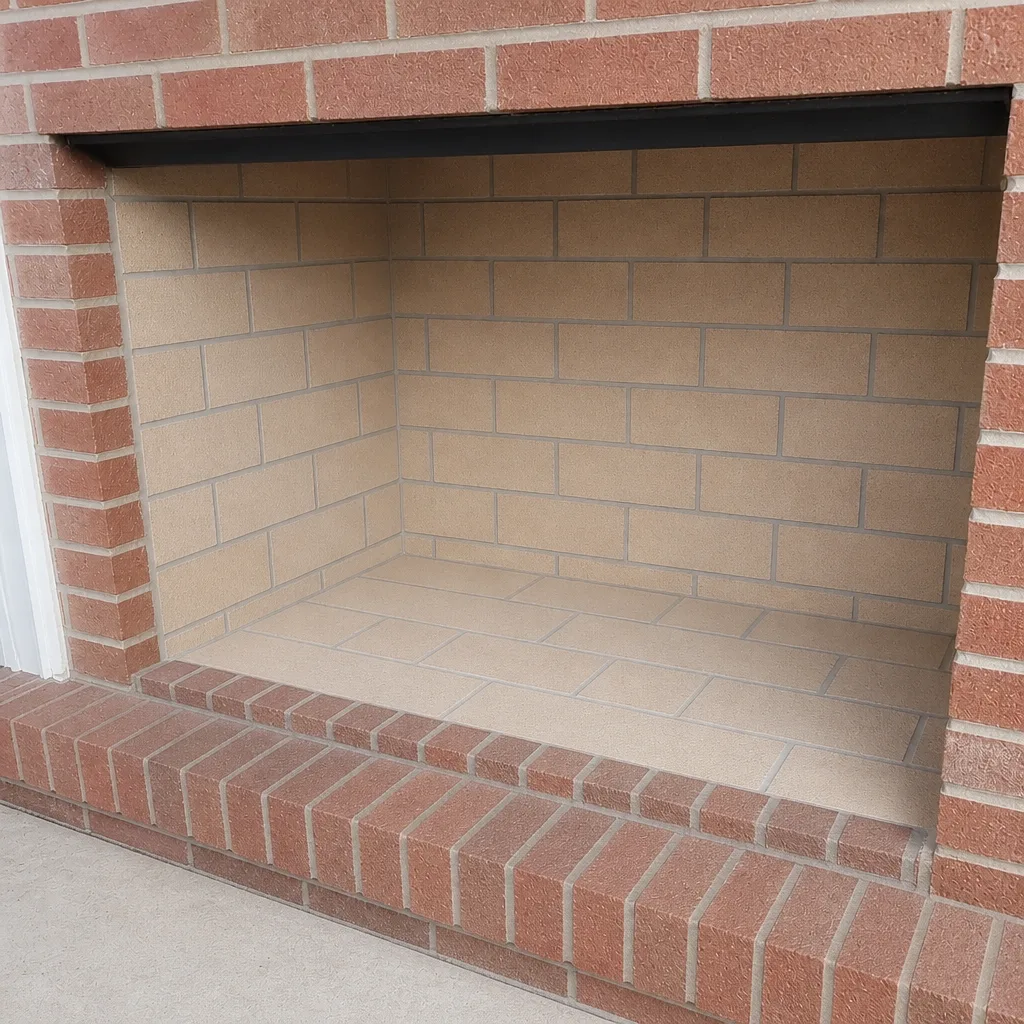
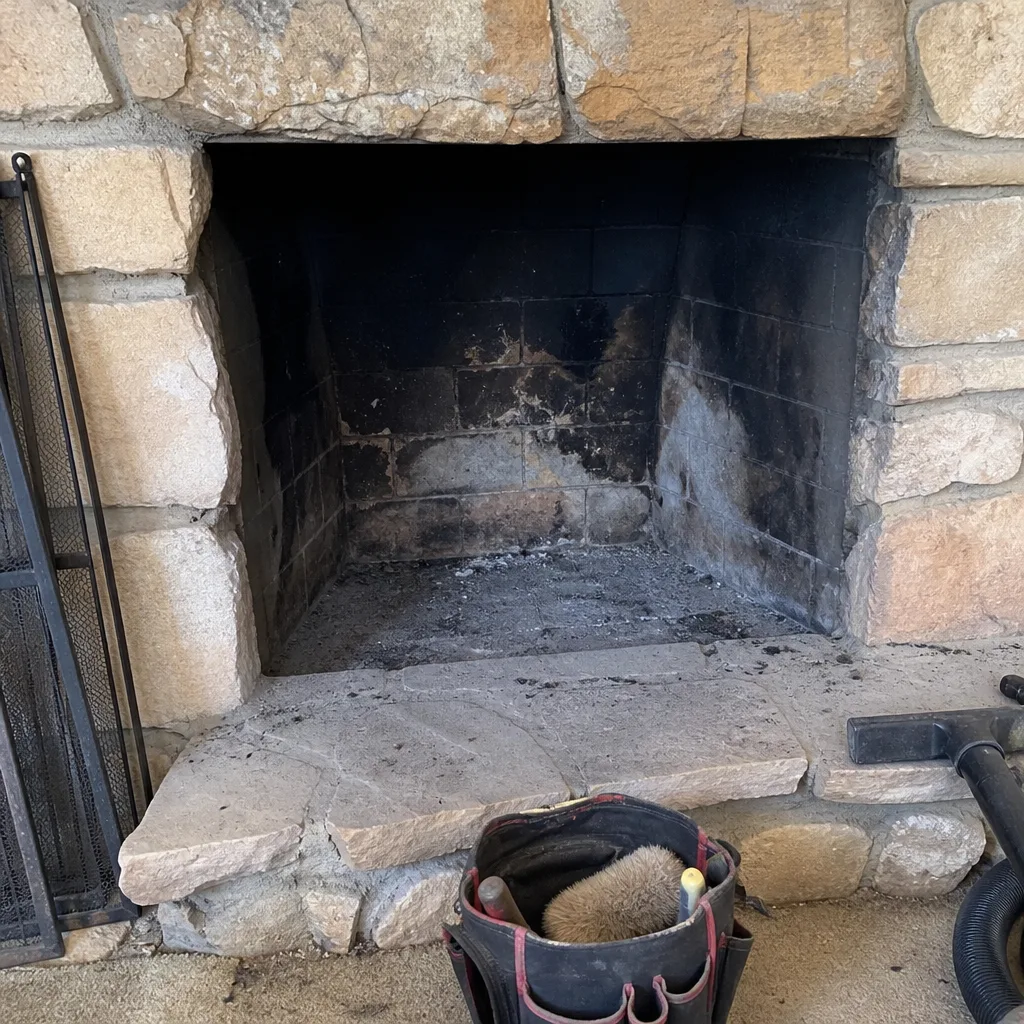
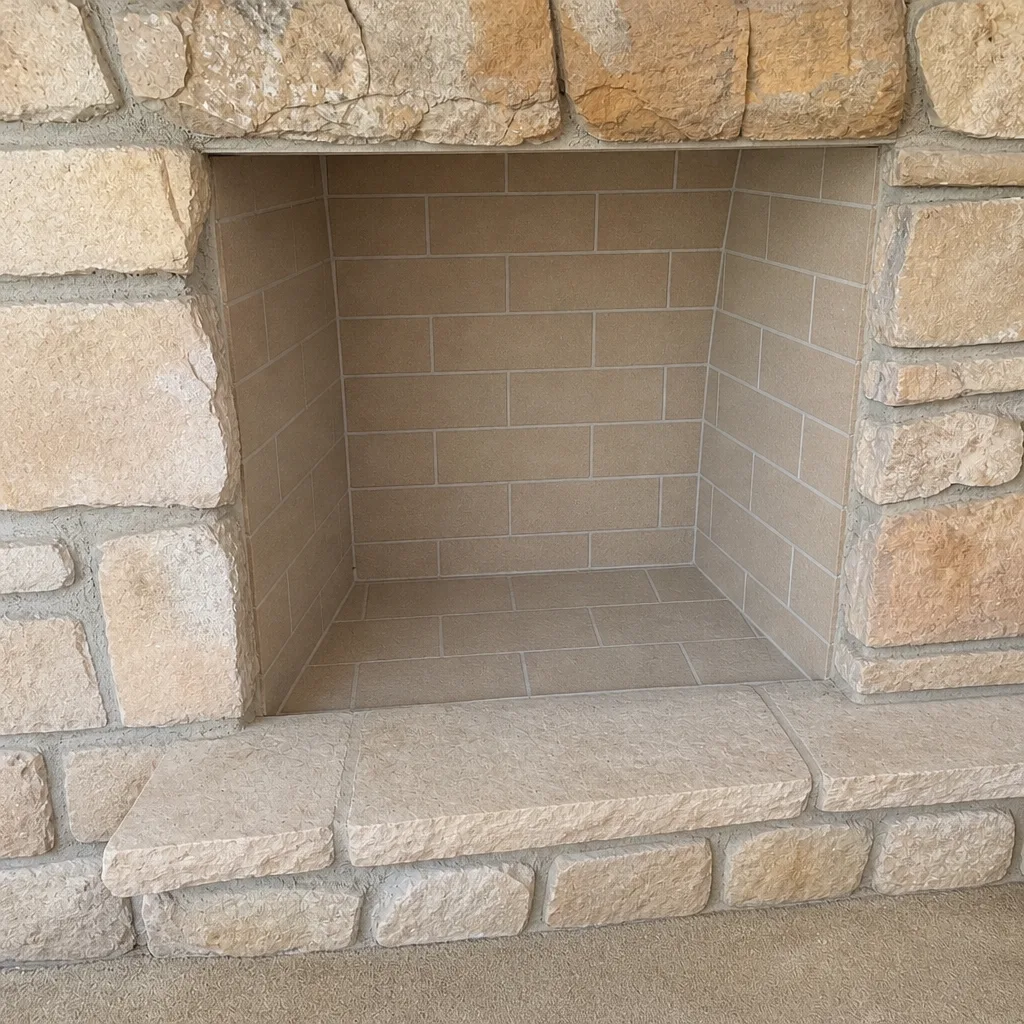
A deteriorating flue liner doesn’t always mean a full liner replacement. Sometimes the liner is compromised but the surrounding structure is sound, and in that middle ground a resurfacing system is the correct tool rather than a new liner. HeatShield ceramic resurfacing is one of those systems, and it’s a specialized process not every chimney company performs. The way it works, in general terms, is that a ceramic-based material is applied to the interior of the existing flue to form a new, smooth, durable surface that restores the liner’s integrity.
When resurfacing is the right call:
- The existing liner has cracks, gaps, or deterioration but the flue’s overall structure is intact.
- The chimney geometry is such that a full liner replacement would require major structural work that the liner’s condition doesn’t justify.
- The flue is otherwise sound enough to accept a resurfaced interior that will hold up over time.
When it isn’t: if the liner is failing structurally, if the flue has an offset or damage that a resurfacing system can’t address correctly, or if the appliance requires a specific alloy liner that resurfacing can’t replicate. That’s why a documented inspection comes before any recommendation. The decision between resurfacing and replacement should be driven by what the inspection finds, not by which option is cheaper to quote. A company that can do both will tell you honestly which one your chimney actually needs. If you’re weighing chimney repair options, ask the contractor whether resurfacing is on the table at all, because not every company offers it.
The One Question That Reveals a Contractor’s Priorities
If you remember nothing else from this guide, remember this one question: “What brand and what alloy are you installing, and why that one for my system?” The answer tells you almost everything. A contractor buying on specification will name the product, the alloy, and the reason it fits your fuel type and flue geometry. A contractor buying on price will give you a generic answer or get defensive. Neither response is about their personality; it’s about how they source materials.
Follow-up questions worth asking:
- Is the liner alloy matched to my fuel type (316Ti for wood, aluminum for properly vented gas)?
- Are the cap and crown purpose-built brand components, or fabricated on site?
- Is the waterproofing vapor-permeable?
- Will I receive a documented inspection with findings written down, not just a verbal summary?
- Can the company do resurfacing as well as full replacement, so the recommendation isn’t limited by what they can offer?
The brand stack matters here: Olympia Chimney, HeatShield, Gelco, and Famco all make professional-grade components designed for the conditions chimney systems actually face. When a contractor reaches for these rather than whatever’s cheapest on the shelf, they’re buying on specification. That’s the distinction that shows up years later when a repair either holds or doesn’t. If you want to see how we approach this, take a look at Orem Chimney Sweep Pros and the brands we work with.
How Orem Conditions Stress Chimney Materials
Orem’s climate is a material test bench. The valley gets hot, dry summers with intense UV exposure, cold winters with repeated freeze-thaw cycles, and wind that comes down off the mountains. Each of those stresses a different part of your chimney system, and each one exposes the gap between professional-grade materials and cheap substitutes.
- UV exposure attacks caps, sealants, and any plastic or rubber components on the roof. Thin or improper materials chalk, crack, and fail from sun exposure alone.
- Freeze-thaw cycling is the slow killer of masonry. Water gets into a crack, freezes, expands, and widens the crack. Every cycle makes it worse. A vapor-permeable sealant and a properly sloped crown are what interrupt that loop.
- Canyon wind can drive rain and snow sideways into a poorly fitted cap, and it stresses the fasteners and seams of anything fabricated rather than engineered.
- Wood-burning load. In Orem, many homes burn wood through the heating season, which means real creosote production and real heat stress on the liner. That’s the environment where the 304 versus 316Ti difference stops being academic.
The common thread is that Orem’s conditions don’t give bad materials much time to hide. A hardware-store cap or a film-forming sealant might look fine the first season. By the second or third, the failure mode is obvious. The right brand and material choices are how you avoid paying twice.
Buying a System, Not a Shopping List of Parts
Your chimney is a system: flue, liner, crown, cap, waterproofing, and firebox all working together. When those parts are sourced as a system from brands designed to work together, the repairs hold. When they’re sourced piecemeal, the weakest component sets the outcome. A great liner under a warped cap and a cracked crown will still take on water. A perfect crown over a failed liner still won’t vent safely.
This is why the brand stack matters at the system level rather than the part level:
- DuraFlex flexible liner systems for flues with offsets or bends that rigid liners can’t follow correctly.
- HeatShield ceramic resurfacing for liners that need a new interior surface without full replacement.
- Gelco and Famco caps and crowns built to hold up to UV and freeze-thaw.
- Olympia Chimney components for the rest of the system.
Working with a specialist who covers inspection, cleaning, cap and crown, fireplace repair, and full chimney repair under one roof means the parts of your system aren’t fighting each other. It also means the person recommending a repair isn’t limited to the one thing their company happens to do. Chimney work done as an afterthought to a long handyman checklist is how mismatched parts happen. The brand of the components you install decides how long the repair holds, and the integration of those components decides whether it holds at all. If a fireplace is part of the picture, fireplace repair should be evaluated alongside the flue and venting, not separately.
Common Mistakes to Avoid
- Buying on the word “stainless” alone. Two quotes that both say stainless can mean 304 versus 316Ti, and the price gap between them is the metal, not the labor. Ask for the alloy in writing.
- Putting a fabricated cover on a chimney in a UV and freeze-thaw climate. Thin sheet metal and exposed fasteners fail fast in Orem’s conditions; purpose-built caps from a brand like Gelco are engineered to last.
- Applying a film-forming sealant to masonry. In Orem’s freeze-thaw cycle, trapped moisture causes the spalling and cracking the sealant was supposed to prevent. Ask for vapor-permeable.
- Using chemical creosote logs as a substitute for sweeping. They can soften certain creosote stages, but they can’t remove glazed buildup or repair a liner. Mechanical sweeping with proper tools is still the only way.
- Replacing a liner when resurfacing would do. If the structure is sound and the liner needs a new interior surface, a HeatShield ceramic resurfacing system may be the correct tool, but only if the inspection supports it.
- Choosing a contractor who only offers one solution. A company that can only replace liners will recommend replacement; one that can only resurface will recommend resurfacing. You want someone who offers both and lets the inspection decide.
- Skipping the documented inspection. A casual glance from the roof isn’t an inspection. You should receive written findings you can keep, compare, and act on.
- Coordinating multiple contractors for one system. When the sweep, cap, and liner come from three different people, responsibility gets blurry. A single specialist covering the full system keeps the parts matched.
See the difference
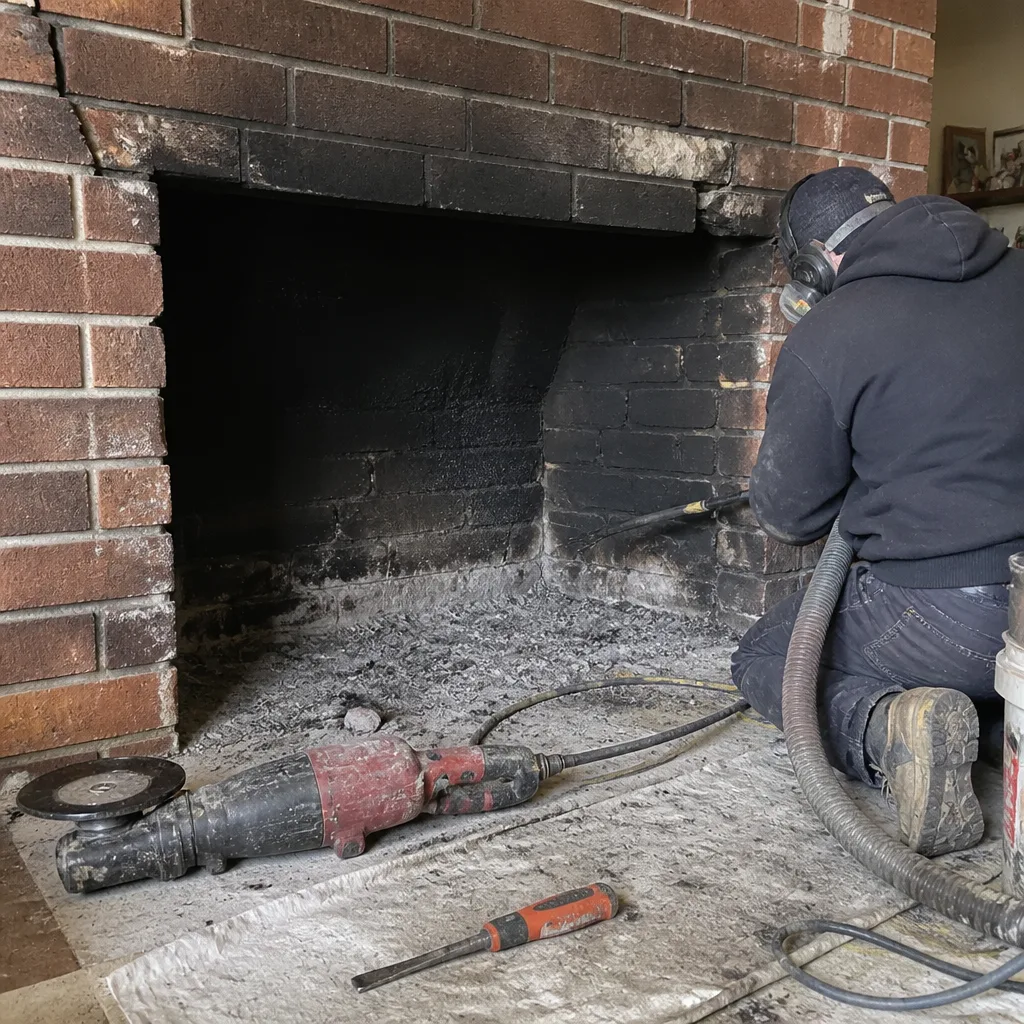 Before
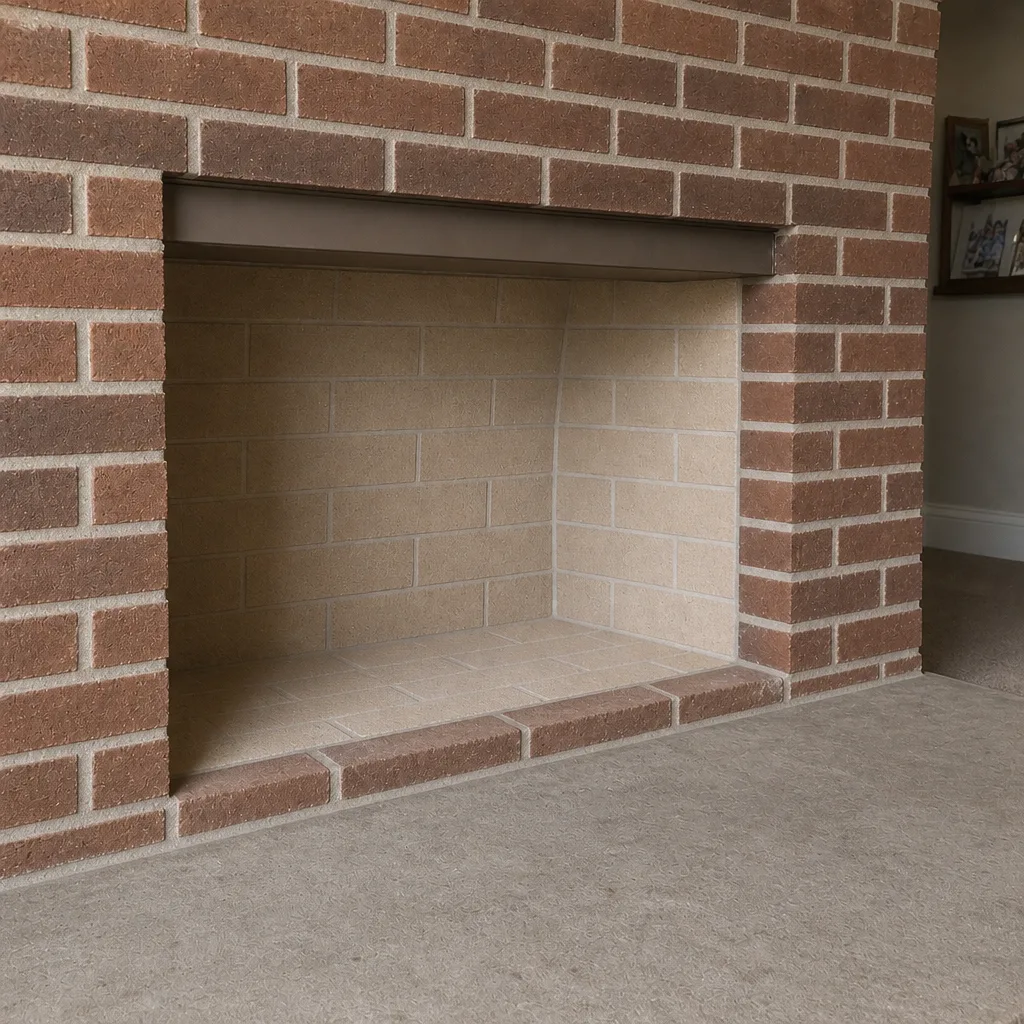 After
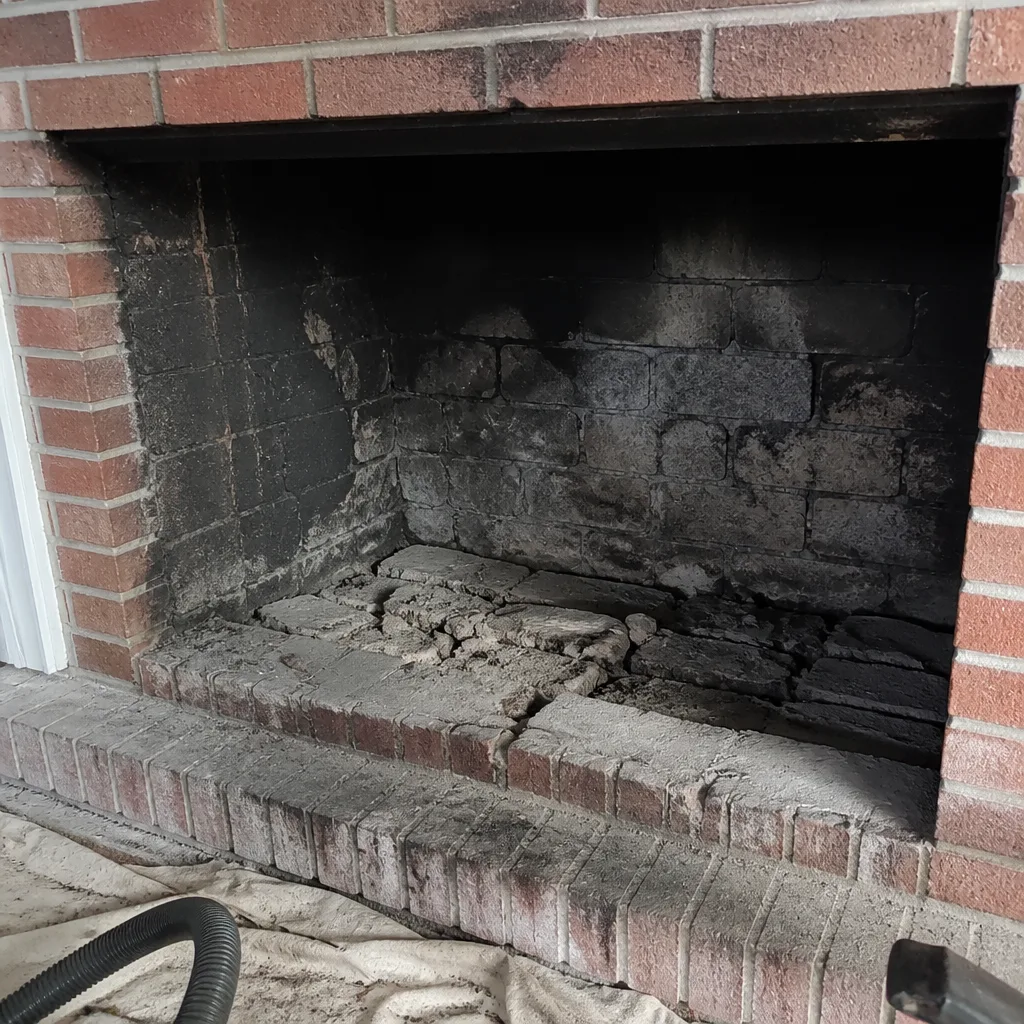 Before
 After
 Before
 After
When to Call a Professional
Some chimney issues are clearly in the “call a specialist” category: glazed or heavy creosote buildup near the flue top, any sign of a previous chimney fire, a liner that’s cracked or missing sections, water stains on the ceiling or chimney breast, and a cap that’s loose, warped, or missing. If you’re not sure of the alloy in your liner or when it was last inspected, a documented inspection settles it. And if you’ve been quoted thousands of dollars of liner or masonry work by someone who hasn’t shown you what they found, get a second opinion before you commit. Orem Chimney Sweep Pros offers free estimates in Orem. Call (877) 523-5597. We answer 24/7, and fast dispatch runs from 7am to 7pm, Sunday through Friday.
Frequently Asked Questions
You want professional-grade brands rather than hardware-store substitutes: DuraFlex flexible liner systems, HeatShield ceramic resurfacing, Gelco and Famco caps and crowns, and Olympia Chimney components. The brand matters less than the specification behind it, though. Ask what alloy and what product is going into your chimney and why, and make sure the answer matches your fuel type and flue geometry. Call (877) 523-5597 for an exact quote; estimates are free.
For wood-burning appliances in Orem, 316Ti is generally the grade you want, not 304. Wood smoke produces acidic condensate and the heat load is real, and 304 stainless typically doesn’t hold up to that over the long run the way a titanium-stabilized alloy does. If a quote says “stainless” without the alloy, ask before you sign. Call (877) 523-5597 for an exact quote; estimates are free.
No. Creosote treatment products can soften certain stages of buildup and help maintain a cleaner flue when used alongside regular sweeping, but they cannot remove glazed or hardened creosote and they can’t repair a damaged liner. Mechanical sweeping with proper tools is the only reliable way to remove buildup. Call (877) 523-5597 for an exact quote; estimates are free.
Because the wrong category of sealant traps moisture inside the masonry. Orem’s freeze-thaw cycles push trapped moisture to expand, which spalls the surface and widens cracks. A vapor-permeable sealant lets the masonry dry from the inside out while repelling liquid water, which is what you actually want. Ask any contractor whether their product is vapor-permeable. Call (877) 523-5597 for an exact quote; estimates are free.
Only a documented inspection can tell you, and the answer depends on whether the flue structure is sound. If the liner is deteriorated but the surrounding structure is intact, a ceramic resurfacing system like HeatShield may be the correct fix. If the liner is failing structurally or the geometry can’t accept resurfacing, replacement is right. You want a contractor who offers both so the recommendation isn’t limited by what they can sell. Call (877) 523-5597 for an exact quote; estimates are free.
Yes, and the difference is mostly in whether the cap is purpose-built or fabricated. Orem’s UV exposure and freeze-thaw cycles are hard on thin metal and exposed fasteners, and a warped or loose cap lets water into the flue, which is where most liner and crown damage starts. A brand component like a Gelco cap is engineered as a single unit for those conditions. Call (877) 523-5597 for an exact quote; estimates are free.
The Bottom Line
The brand of the materials in your chimney system decides how long the work holds. In Orem’s UV, freeze-thaw, and wind conditions, that gap shows up faster than in milder climates: a hardware-store cap warps, a film-forming sealant traps moisture, and a 304 liner oxidizes years before a correctly specified 316Ti one would. The fix is not to buy the most expensive option. It’s to buy on specification: ask what brand and alloy go in, insist on a documented inspection, and choose a specialist who offers both resurfacing and replacement so the recommendation fits your chimney rather than their product list. Our technicians have up to 12 years of experience with professional-grade systems from DuraFlex, HeatShield, Gelco, Olympia Chimney, Famco, and Copperfield.
Call (877) 523-5597 for a free estimate. We answer 24/7. Fast dispatch from 7am to 7pm, Sunday through Friday.
Written by the team at Orem Chimney Sweep Pros.