
Last updated November 25, 2026
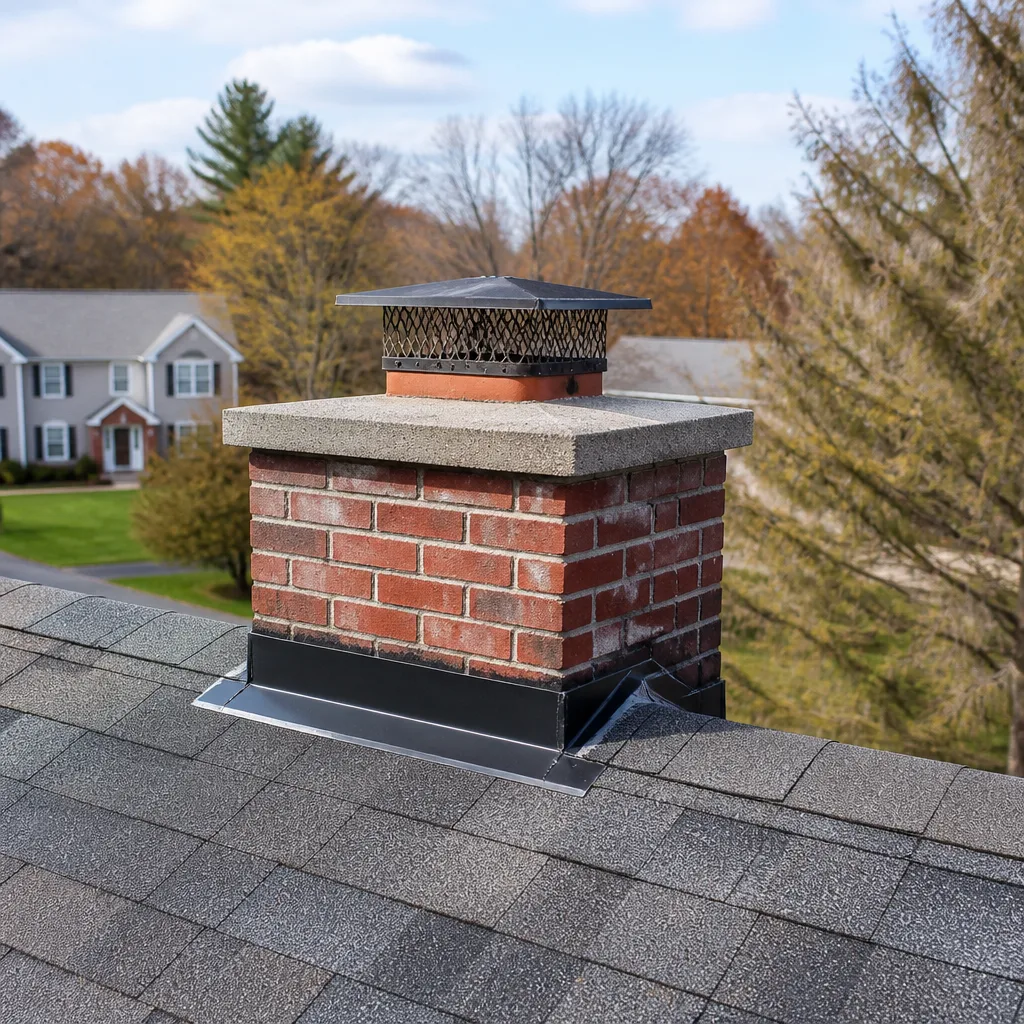 Sweep & inspection
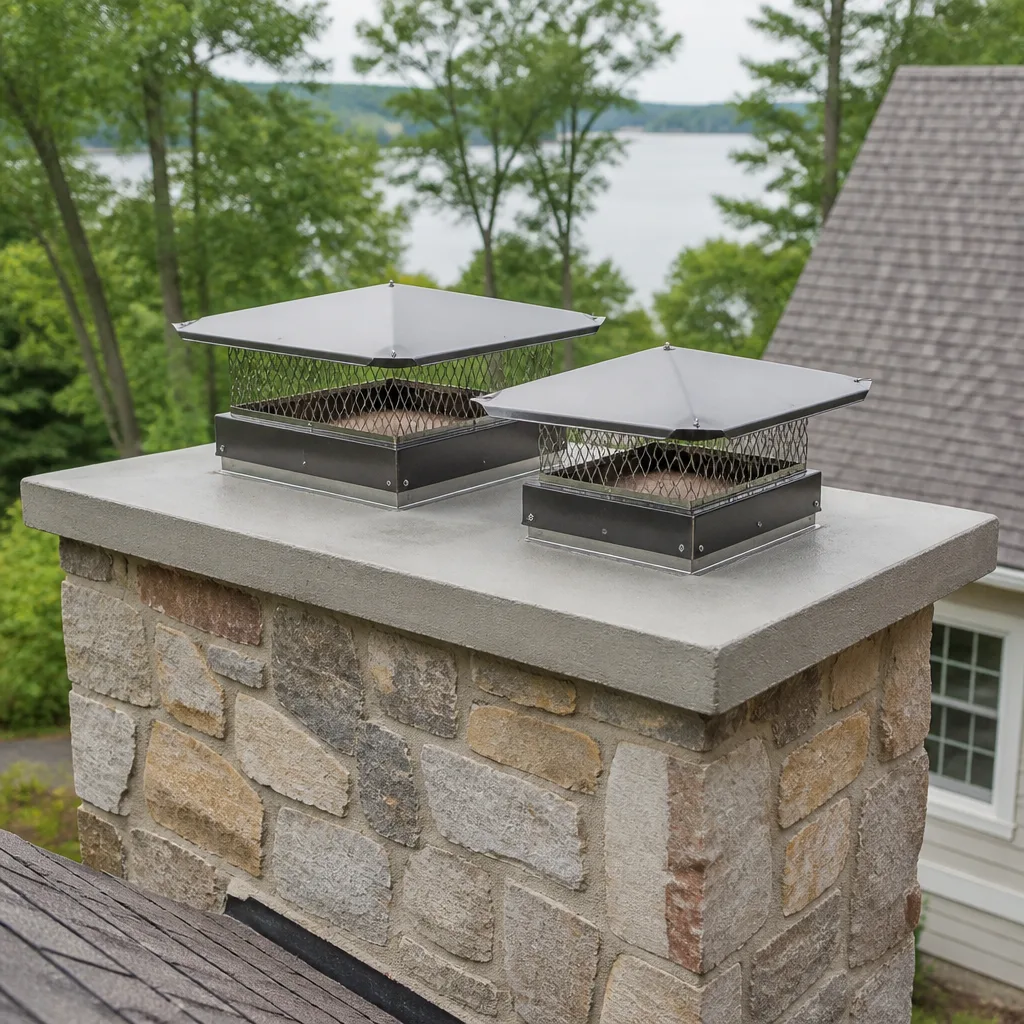 Caps & crowns
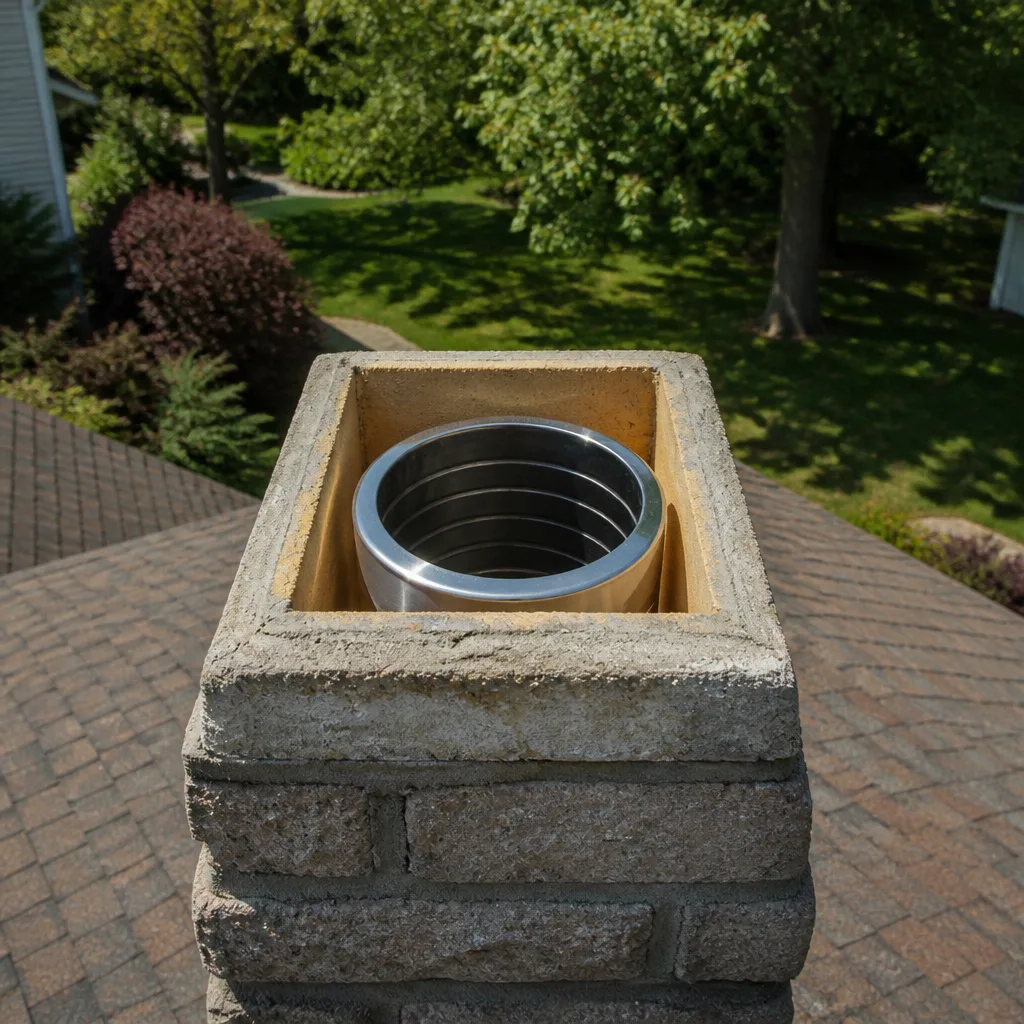 Flue relining
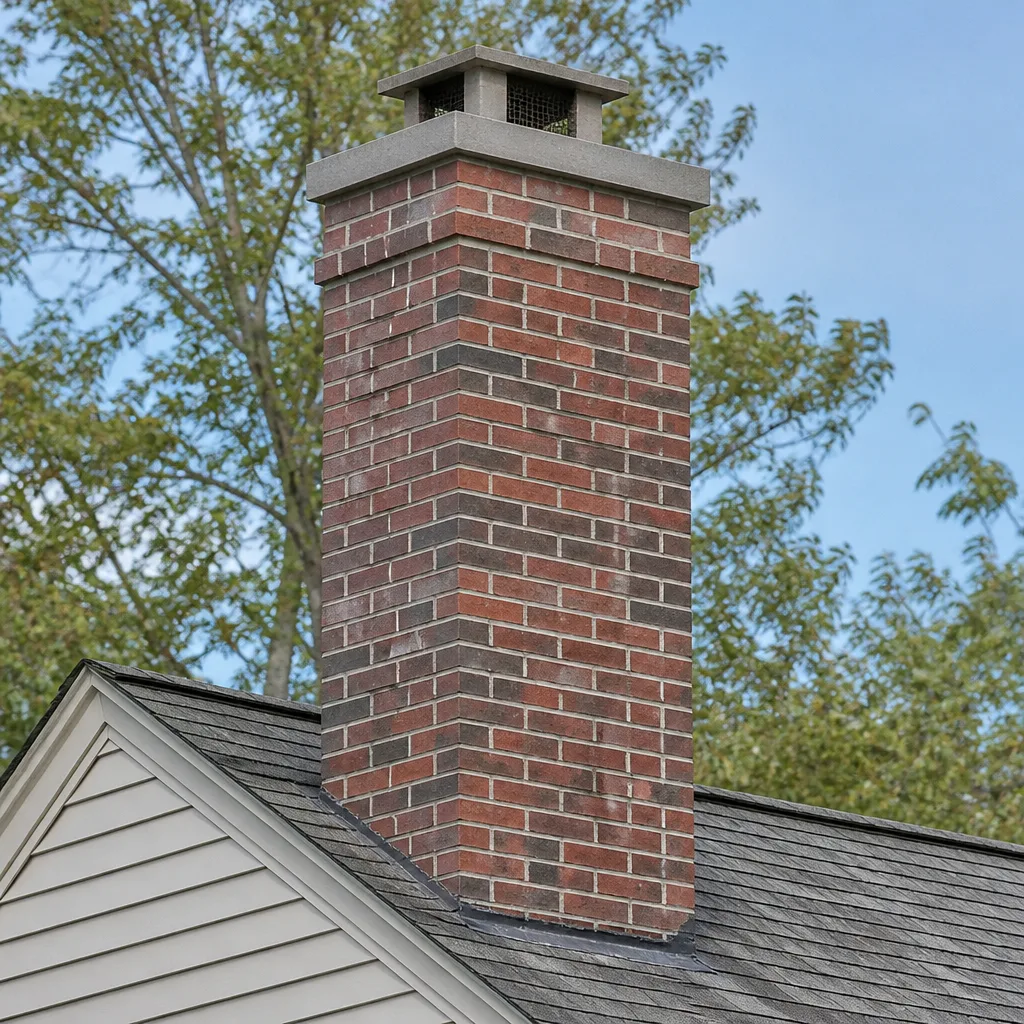 Masonry repair
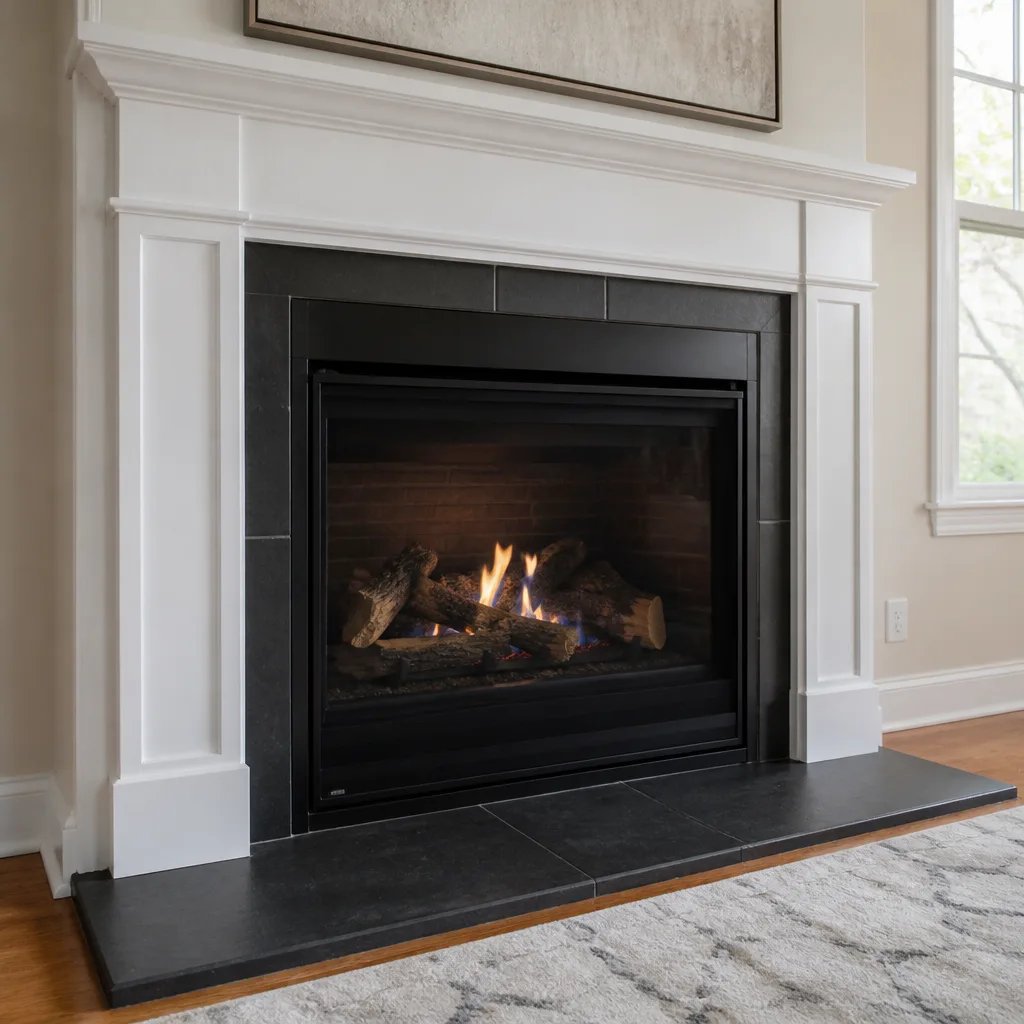 Gas fireplace service
Level 1 sweep and inspection to the NFPA 211 annual standard - flue, crown, cap, and flashing checked and photographed
Chimney sweep logs do not sweep chimneys. They loosen some creosote - which then falls where a brush and vacuum still have to collect it.
Chimney Cleaning Permits, Codes & Inspections in Orem, UT: What You Need to Know
Most homeowners assume a chimney sweep is the whole story. Schedule the visit, watch the soot come out, done. That’s true for routine cleaning. It stops being true the moment the work turns into a repair. A stainless liner installed without a permit can void the fire coverage on your homeowner’s policy and surface as an unpermitted alteration when you sell the house. In Orem, that line between cleaning and repair is crossed more often than people realize. This guide explains where the threshold sits in Utah County, which code provisions apply, what a documented inspection should contain, and how to confirm permits were pulled before a technician starts work.
Quick Answer
Routine chimney cleaning does not require a permit in Orem, Utah. Once the scope becomes a repair or alteration, most cities require a permit, so ask your city’s building department before work begins. Liner replacement, crown rebuilding, structural masonry repair, and new appliance installations all fall on the permit side of that line, and a documented inspection is what tells you which side you’re on.
Styles & brands we work with
- Sweep & inspection
- Caps & crowns
- Flue relining
- Masonry repair
- Gas fireplace service
Table of Contents
- Where Cleaning Ends and Repair Begins in Orem
- Which Code Provisions Apply to Orem Chimneys
- What a Code-Compliant Inspection Report Contains
- How to Verify Permits Before Work Starts
- Repair Scopes Homeowners Assume Are Permit-Free
- How Often Orem Chimneys Need Inspection and Cleaning
- Why Materials Matter for Long-Term Compliance
- How Documentation Protects Your Coverage and Your Sale
Where Cleaning Ends and Repair Begins in Orem
The distinction sounds simple until you’re standing in front of a flue with cracked mortar and a technician explaining two possible paths. Cleaning is maintenance: removing creosote, soot, and blockages so the system vents as designed. Repair is a change to the system, and a change to a system is what building departments regulate.
In our experience across Orem, the confusion comes from repair work that gets described casually. Someone says “we’ll just seal that up” and the homeowner hears maintenance. Here’s the practical breakdown:
- Maintenance, generally no permit: sweeping, brushing, removal of creosote and debris, a visual condition assessment, cap cleaning.
- Repair or alteration, typically permitted: installing or replacing a flue liner, rebuilding a masonry crown, replacing a chase cover, tuckpointing structural masonry, repairing a firebox, installing a new appliance or insert, and any change to the flue’s venting characteristics.
For a full cleaning visit that stays within maintenance, the chimney sweep is the whole job and no permit enters the picture. The moment a technician moves from removing buildup to changing how the flue is constructed or lined, the scope has shifted and the conversation about permits should happen before any material is ordered.
Orem sits in a valley that runs cold in winter, and that matters here. Heating systems here work hard through a long burning season, which means more heating cycles, more condensation on a cold flue, and faster breakdown of mortar and liner joints than a mild climate would produce. The repairs that trigger permits are not exotic in Orem. They’re routine.
Two things follow from this. First, ask directly whether the scope requires a permit, and get the answer before booking. Second, if a contractor tells you a liner install never needs a permit anywhere in Utah County, that answer is wrong, and it’s a fair reason to keep asking questions.
Which Code Provisions Apply to Orem Chimneys
Utah adopts building and residential codes at the state level, and local jurisdictions including Orem implement them through their own building departments and ordinances. The chimney-specific standard that anchors these codes is NFPA 211, the national standard for chimneys, fireplaces, vents, and solid fuel appliances. You don’t need to read it. You do need to understand what it asks of your system, because it’s what an inspector and a code official are both measuring against.
NFPA 211 covers several areas that land directly on Orem homeowners:
- Clearances to combustibles. Framing, sheathing, and insulation must maintain a specified distance from the chimney. A flue that passes too close to wood is a slow hazard, not an immediate one, which is exactly why it gets missed.
- Liner requirements. A flue serving a solid fuel appliance needs an appropriately sized, listed liner in sound condition. Deteriorated clay tile liners are common in older Orem homes and don’t meet that standard once joints fail.
- Appliance venting. Gas and wood appliances must vent through a compatible flue with correct sizing. A modern insert dropped into an oversized old flue can vent poorly even though the flue looks fine.
- Inspection levels. NFPA 211 defines three levels of inspection, from a visual check with readily accessible tools up to a full investigation that may require accessing concealed areas. Which level applies depends on the situation, not the calendar.
Where local adoption matters most is enforcement. Orem’s building department is the authority that decides whether a given scope needs a permit and what inspection it requires on completion. When we handle a chimney repair that touches the flue’s structure, we work with the local permit process rather than around it. A code-compliant result is one that passes an inspection, not just one that looks finished from the roof.
This is where a specialist reads differently from a generalist. A handyman knows a chimney is a hole that carries smoke up. A chimney technician knows the clearances, the liner standard, and the venting logic well enough to tell you when your scope has crossed into regulated territory.
What a Code-Compliant Inspection Report Contains
A documented inspection is not a technician glancing up the flue and saying it looks fine. It’s a formal, recorded assessment of your chimney system, and the report is the artifact that matters later, whether for an insurance claim, a real estate transaction, or your own record of what was found and when.
Here’s what a report worth keeping should contain:
- Scope and inspection level. Which NFPA 211 level was performed and what was accessible. If the flue has an offset you couldn’t see past, the report should say so plainly.
- Flue condition, section by section. Liner material, joint condition, evidence of cracking or spalling, and any gaps.
- Creosote assessment. Stage of creosote present, since stage three glazed creosote behaves differently from a light soot film and changes the cleaning approach.
- Firebox and damper condition. Cracks in the firebox, damper operation, and whether the smoke chamber is sound.
- Exterior components. Crown, cap, chase cover, flashing, and masonry condition at the roofline.
- Clearance observations. Any visible clearance issue between the structure and combustibles.
- Photographic evidence. Images tied to specific findings. This is what makes the report useful to someone other than the technician who wrote it.
- Recommendations, separated by urgency. What needs attention now, what should be watched, and what can safely wait.
That last item matters more than people expect. A report that recommends thousands of dollars of liner work without a photograph or a video walkthrough of the evidence is asking you to take a stranger’s word for it. We include camera inspection and a photo report with our assessments so you see what we see, and we say plainly when a repair can wait a season. Our technicians have up to 12 years of experience, and one thing that experience teaches is that a recommendation you can’t verify isn’t worth making.
For Orem homeowners in older neighborhoods, these reports carry extra weight. A house that’s had three owners and a couple of unrecorded “improvements” over its life often has a chimney with a history nobody documented. A formal inspection gives the system a baseline. If you’re buying or selling, it gives the next party something to read.
How to Verify Permits Before Work Starts
The right time to check permits is before anyone shows up with a liner coil. After the work is installed, unpermitted, you’re the one who owns the problem, and retroactive permitting is a longer and more expensive conversation than pulling the right permit up front.
Verification is straightforward. Here’s the sequence:
- Ask for the permit number in writing before the job is scheduled. A contractor who routinely pulls permits can supply this without friction. Reluctance is information.
- Call Orem’s building department and confirm the permit exists and matches the scope. A permit for a crown rebuild does not cover a liner replacement. The scope has to line up with the work being done.
- Confirm who is responsible for the inspection. Permitted work typically requires a final inspection by a code official. Ask who schedules it and when.
- Get the closing paperwork when the job is done. The inspection result and any final documentation belong in your file along with the inspection report.
- Note it against your system. If you keep a simple record of the make and model of any installed component and the permit that covered it, future owners and future insurers have a clean paper trail.
One useful check that takes no phone call: pay attention to how the scope is described. If the work changes how the flue is lined, how the crown sheds water, or how an appliance vents, treat it as permitted until the building department tells you otherwise. Cleaning and repair are different categories, and the categories have different rules.
Repair Scopes Homeowners Assume Are Permit-Free
This is where Orem homeowners get caught most often. Four repair types get talked about as small jobs even though each one changes the structure of the system.
Liner relining. A new stainless liner is a structural installation inside the flue. It’s not the same flue anymore after it’s installed, and the paperwork should reflect that. Because a liner must fit the flue it’s going into, we use DuraFlex flexible liner systems. They handle chimneys with offsets and bends where a rigid liner physically can’t seat correctly, and seating correctly is what makes the install compliant rather than approximate.
Crown rebuilding. The crown is the concrete or masonry cap at the top that sheds water off the chimney. A cracked crown sends water into the masonry and into the house, so rebuilding it is real repair work, not a cosmetic patch. Purpose-built crowns and caps are the right answer here, which is why we install Gelco and Famco components rather than improvised covers.
Cap installation. A chimney cap keeps rain, birds, and debris out of the flue. It’s a small job with a real role in protecting everything below it, including a liner you just paid to have installed. A properly fitted cap is part of maintaining a compliant system, and the fit matters. A loose cap that rattles off in wind doesn’t protect anything.
Chase cover repair. Chase covers over prefabricated chimneys rust out and leak. Replacing one is repair work on the chimney’s weather envelope and belongs in the same conversation as permitting.
There’s also a middle case worth knowing about. A deteriorating clay tile liner doesn’t always require a full replacement. HeatShield ceramic flue resurfacing restores a compromised liner from the inside, and not every chimney company can perform it. When resurfacing is a viable alternative, it can save you the scale of a full reline. When it isn’t, you’ll hear that too, backed by the camera footage that shows why.
Adding a gas insert or changing out an appliance also shifts venting requirements. None of these four scopes is automatically permit-free because it’s small. What determines the permit is whether the work alters the system, and all four alter it.
How Often Orem Chimneys Need Inspection and Cleaning
Annual inspection is the baseline most chimney professionals recommend, regardless of how often you burn. An inspection checks the system without necessarily changing it, and catching a cracked crown or a failing liner joint early is cheaper than catching it after a chimney fire.
For cleaning frequency, the honest answer depends on how much wood you actually burn. Gas appliances don’t produce creosote the way wood does. Wood-burning fireplaces and stoves used regularly through a full heating season build up faster. Here’s a working guide:
- Gas fireplace, occasional use: annual inspection is enough for most homes. Cleaning is done as needed, not on a fixed schedule.
- Wood-burning fireplace used regularly: annual cleaning alongside the inspection is a reasonable default.
- Heavy wood use, or burning unseasoned wood: inspect and clean more often. Wet wood produces more creosote than dry wood, and Orem’s dry climate doesn’t dry firewood in a stack that’s covered with a tarp.
- Any change in behavior: smoke rolling into the room, a smell that persists when the fireplace is cold, or a visible crack should trigger an inspection regardless of timing.
Orem’s winters are cold enough that many households burn steadily for months, and a flue that’s used hard accumulates creosote faster than a fireplace used a few times a year for ambience. The inspection tells you where you actually stand rather than where the calendar says you should be.
One clarifying point on urgency, because it comes up every fall. Chimney servicing isn’t an emergency-response business on an hourly clock. What matters is getting your sweep and inspection booked before the burning season starts, so any repair the inspection turns up can be handled before you’re relying on the fireplace for heat. If a chimney problem surfaces when you call, we answer 24/7. Fast dispatch from 7am to 7pm, Sunday through Friday.
Why Materials Matter for Long-Term Compliance
Code compliance is a snapshot at inspection time. What holds up over the next ten winters is the material quality behind it. A liner that’s correctly permitted and correctly installed still has to survive years of heating cycles, condensation, and the temperature swings a Utah valley produces.
This is where the brand stack matters, and it’s not brand loyalty for its own sake. Professional-grade liner systems from DuraFlex, precision-fit caps and crowns from Gelco and Famco, and HeatShield ceramic resurfacing each solve a specific structural problem: bends a rigid liner can’t follow, caps that need to fit a specific chase, liners that can be restored rather than replaced. Generic hardware-store covers and improvised liners look the same on the day they’re installed and look very different after a few seasons of Orem weather.
For a full fireplace repair or a larger restoration, working with one company for the whole system means the sweep, the inspection, the cap and crown, and the liner work all get assessed against each other. A cap installed without regard to the crown underneath it or to the liner below it is one piece of work done in isolation. Your flue, crown, cap, liner, and firebox are an integrated system, and treating them that way is what keeps the system compliant over time.
How Documentation Protects Your Coverage and Your Sale
The documentation side of chimney work is the quiet one. Two places it stops being quiet: an insurance claim, and a real estate transaction.
On the insurance side, a homeowner’s policy is written against the risk of a structure as it exists. An unpermitted liner installation is a change to that structure without the record to support it. When a claim arises from a chimney fire, the claim gets evaluated against what was on file. A documented inspection, a permit with a final inspection, and a record of who performed the work is the story that holds together. A liner installed quietly with no paper trail is a gap an adjuster will notice.
On the real estate side, a home inspector finds unpermitted work for a living. A chimney alteration without a permit can surface as a correction, a credit request, or a stalled closing. The cost of pulling a permit up front is small next to the cost of negotiating with a buyer who’s just discovered there’s no record of work that costs more than the check to fix.
A single file fixes both. It holds your inspection report, the permit number and inspection result, and the documentation that came with any materials installed. It’s not complicated, and it’s the reason we treat documentation as part of the work rather than paperwork to think about later.
Common Mistakes to Avoid
- Assuming cleaning and repair get the same treatment. Routine sweeping doesn’t require a permit in Orem; liner work, crown rebuilding, and appliance installation usually do. Ask which category your scope falls into before work is ordered.
- Taking a verbal “you don’t need a permit” as final. The authority on permit requirements is the city’s building department, not the contractor describing the job. One phone call settles it.
- Skipping the inspection because the cleaning went fine. Cleaning removes what’s there; an inspection checks what the system is made of. A flue with a cracked tile joint can clean up beautifully and still fail on clearances.
- Accepting a repair recommendation with no evidence. If you’re told a liner needs thousands of dollars of work, ask to see the camera footage. A recommendation you can’t verify is one you shouldn’t schedule.
- Treating a cap as a minor accessory. In Orem, wind and weather load the chimney top year-round. A loose or improvised cap lets water into the crown and flue below, which is a repair that could have been prevented with a properly fitted component.
- Filing the paperwork nowhere. Keep the inspection report and permit record together. The two moments you’ll need them are a claim and a sale, and you won’t have time to reconstruct them then.
- Ignoring a liner that’s failing slowly. A glazed or cracked liner isn’t going to announce itself. Annual inspection is how you find out while the answer is still a repair rather than a rebuild.
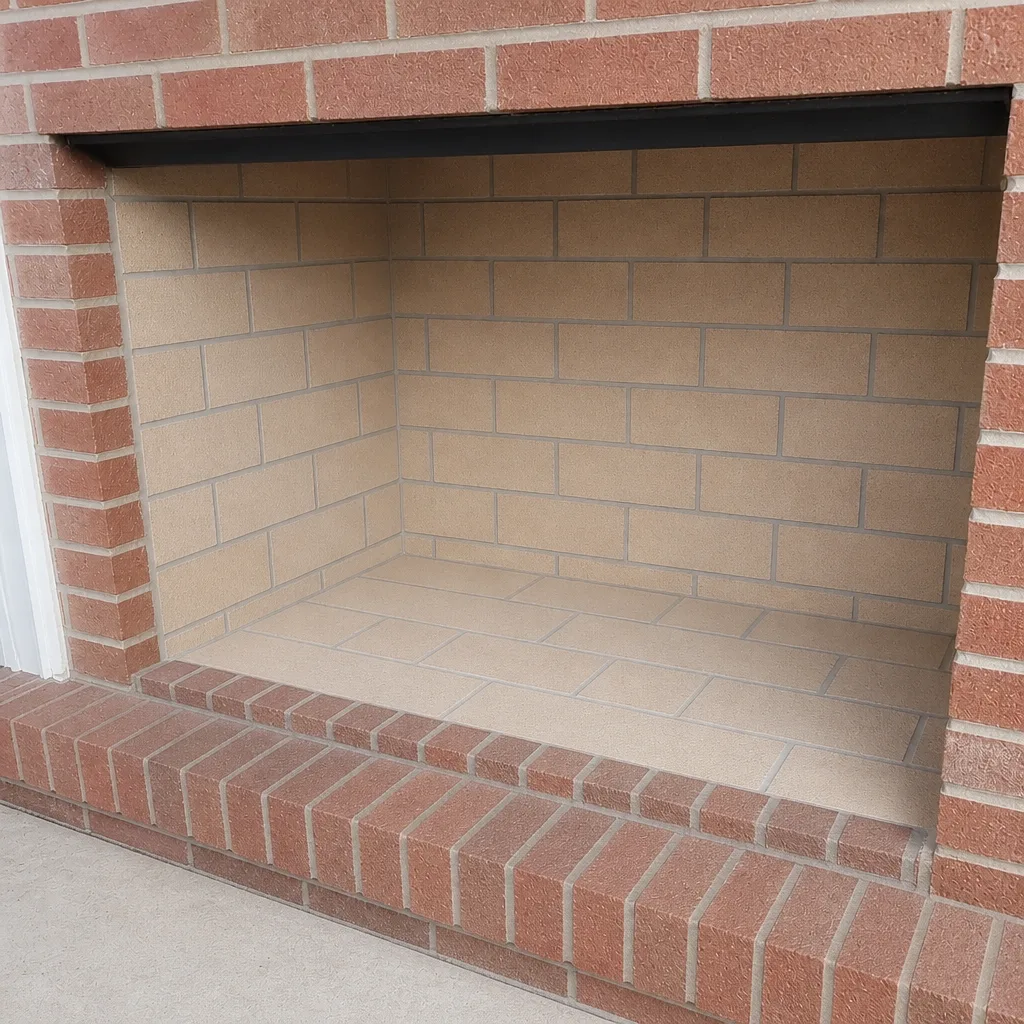
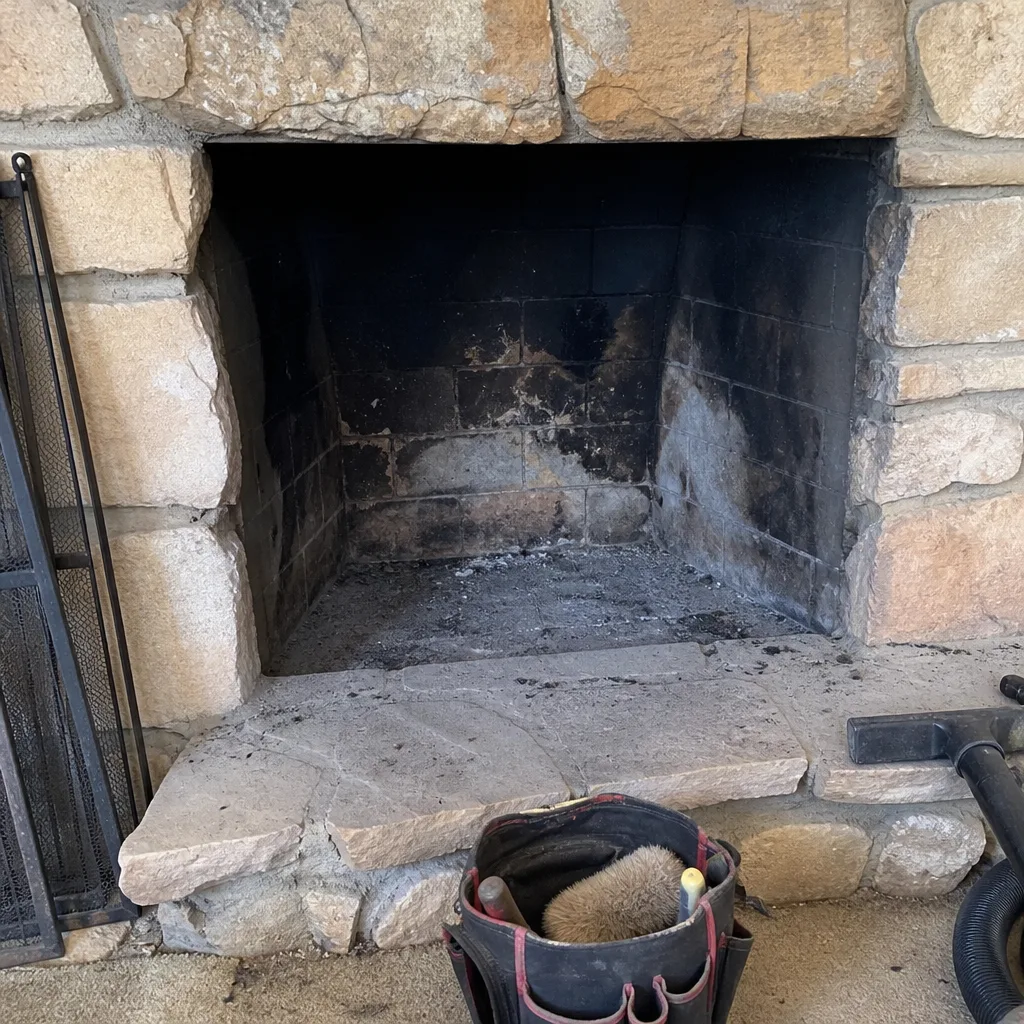
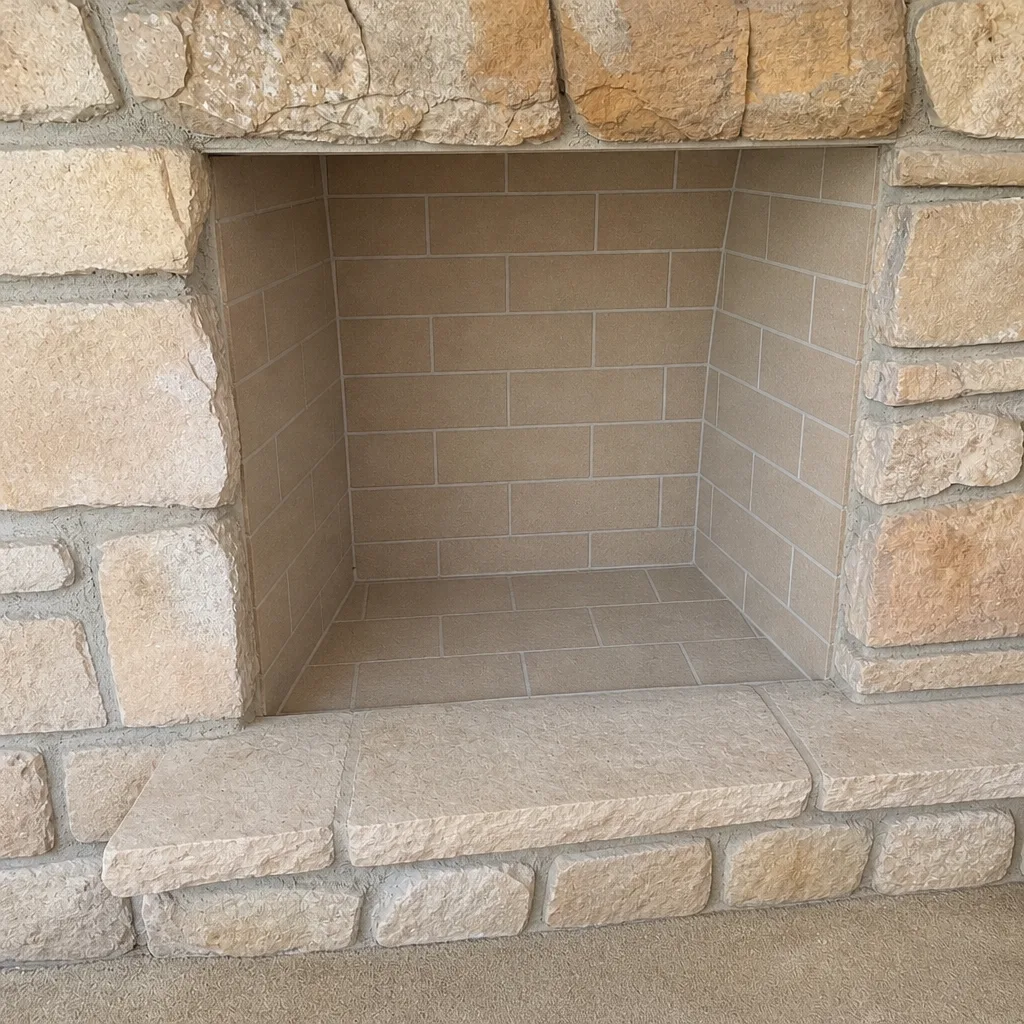
See the difference
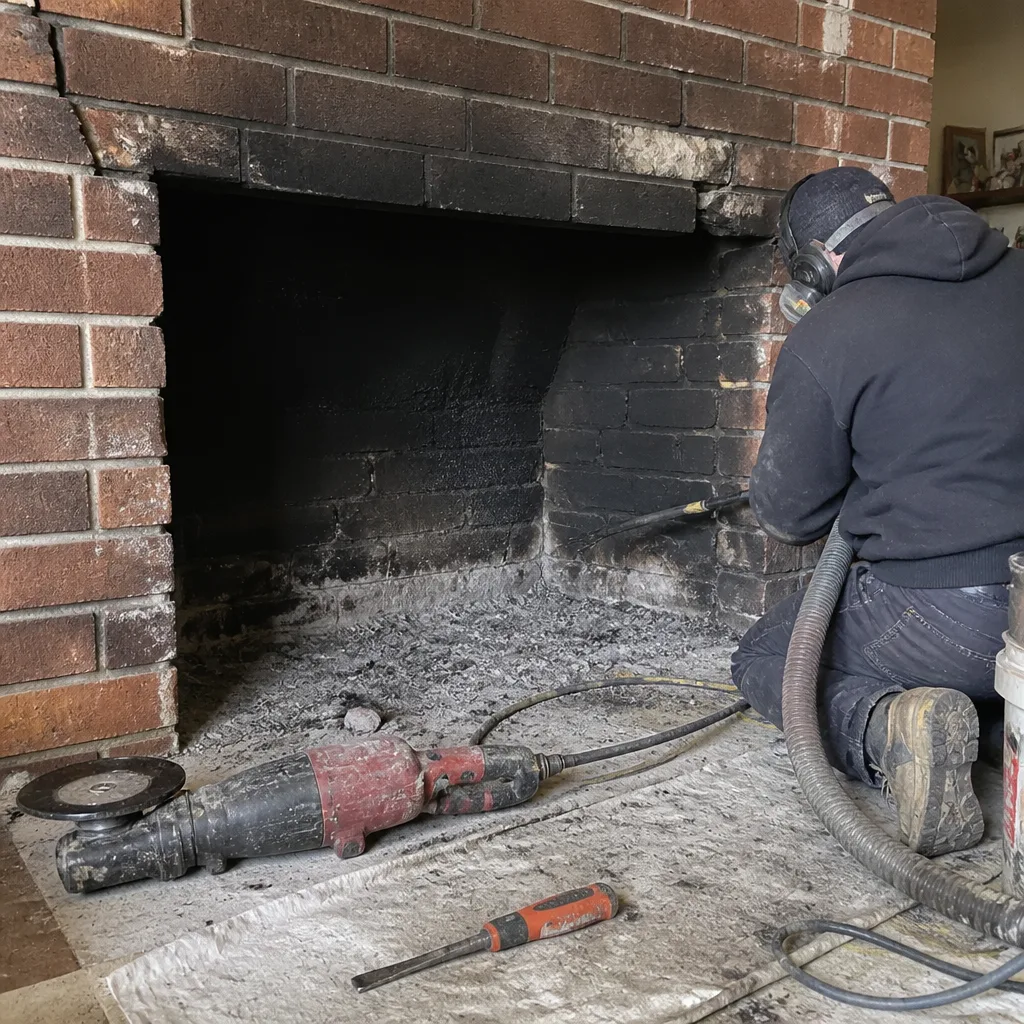 Before
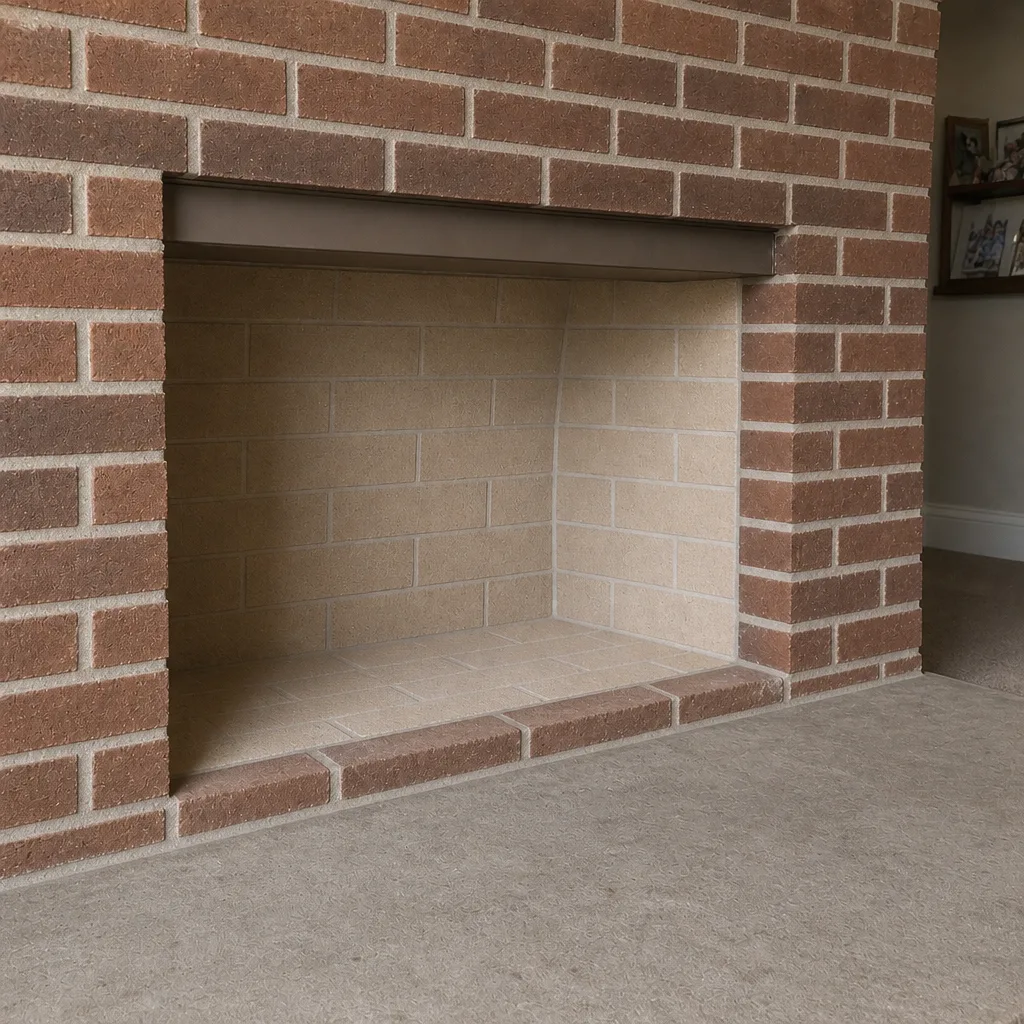 After
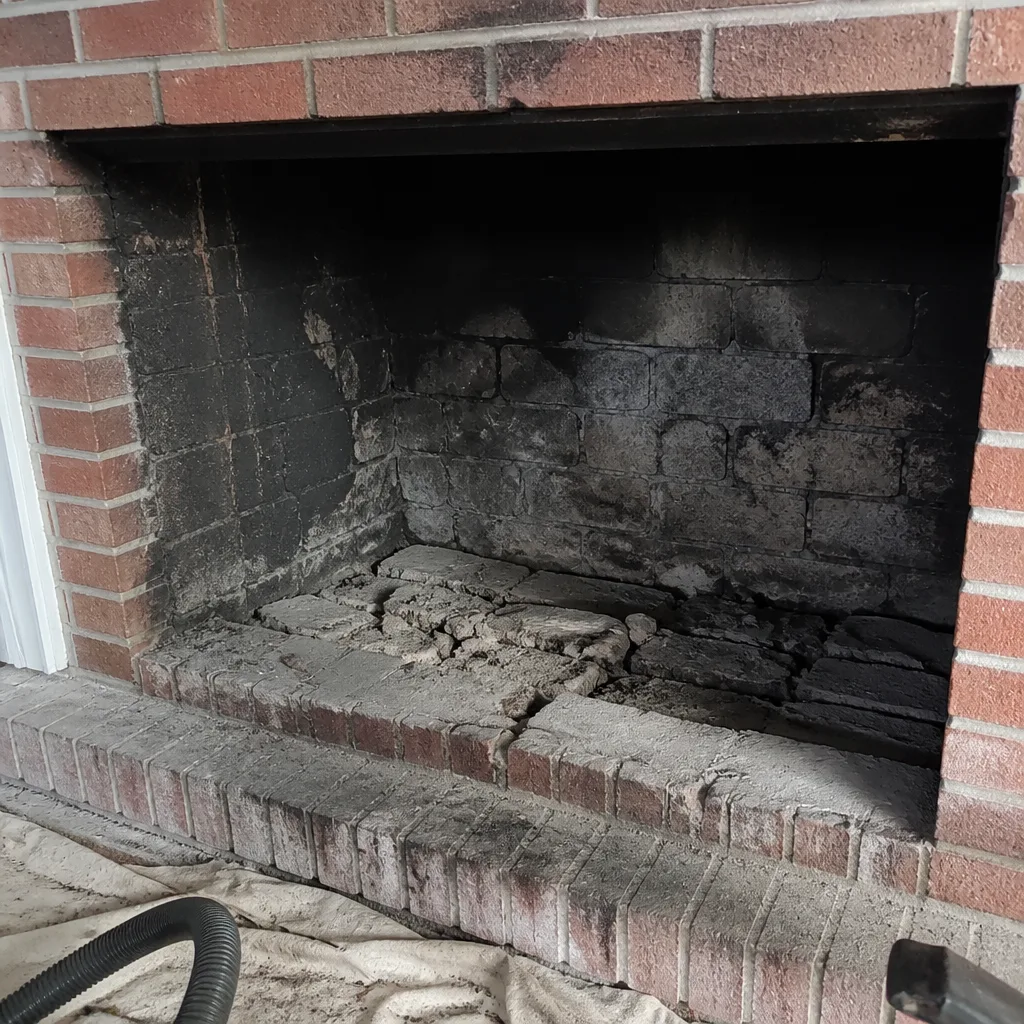 Before
 After
 Before
 After
When to Call a Professional
Call a professional if you’re commissioning any change to how your chimney is constructed, lined, or vented. Call one if you’ve had a chimney fire, even a small one, because the heat doesn’t have to be visible to damage a liner joint. Call if you smell smoke in the room when the fireplace isn’t burning, if a fireplace smokes into the house when it is, or if you’ve seen cracked mortar in the firebox or at the crown. Call before your first burn of the season rather than after, so any permitted repair can be scheduled and inspected without leaving you without heat.
Orem Chimney Sweep Pros offers free estimates in Orem. The estimate sets the price, in writing, before any work begins. Call (877) 523-5597. We answer 24/7. Fast dispatch from 7am to 7pm, Sunday through Friday.
Frequently Asked Questions
No. Routine chimney cleaning in Orem does not require a permit, because sweeping and debris removal are maintenance rather than a change to the structure of the system. Once the scope moves into repair, such as liner replacement, crown rebuilding, or appliance installation, a permit is typically required, so confirm with Orem’s building department before work begins. Call (877) 523-5597 for an exact quote on the cleaning side; estimates are free.
Cleaning removes creosote, soot, and blockages so your chimney vents correctly. An inspection assesses the system’s construction and condition, including the liner, firebox, crown, cap, and clearances, and produces a documented report. They’re usually done together, but they answer different questions. If you want to know what condition your Orem Chimney Sweep Pros system is actually in, that’s an inspection.
Annual inspection is the standard for most homes, with cleaning frequency tied to how much you burn. A gas fireplace used occasionally may need cleaning only as needed, while a wood-burning fireplace used through Orem’s heating season should typically be cleaned and inspected once a year. Heavy use or burning unseasoned wood calls for more frequent checkups. Call (877) 523-5597 to book a sweep and inspection before the season starts; estimates are free.
A liner replacement is a real requirement when the existing liner has failed joints, cracking, or spalling that compromises venting. It’s an upsell when no one shows you evidence for it. Nothing should be recommended without camera footage or photographs you can review yourself, and a good technician will tell you plainly when a repair can safely wait. Call (877) 523-5597 for an exact quote – estimates are free.
Skipping annual inspection means failing components go unnoticed until they cause a problem. Creosote accumulates and burns hotter than most people expect, failed liner joints allow heat and gases into the structure, and a cracked crown lets water into masonry that then freezes and spalls. None of that is a reason to panic, and none of it is a scare tactic: it’s the reason a yearly inspection is worth the visit. Call (877) 523-5597 for an exact quote; estimates are free.
It can. An unpermitted alteration can be flagged by a home inspector during a sale, and it creates a documentation gap if you file a chimney-related insurance claim. A permit with a final inspection, paired with a documented inspection report, closes that gap. If you’re unsure whether previous work was permitted, an inspection is a reasonable place to start. Call (877) 523-5597 for an exact quote – estimates are free.
The Bottom Line
Routine chimney cleaning in Orem doesn’t need a permit. Anything that changes your flue’s structure, lining, or venting generally does, and the local building department is the authority on which is which. A documented inspection tells you where your system stands, shows you the evidence behind any recommendation, and gives you a record to hand to an insurer or a buyer. Use professional-grade materials, confirm permits before work starts, and keep the file. None of that is complicated, and all of it is what separates a chimney that lasts from one that becomes someone else’s problem. If you’re ready to start, we can help.
Call Orem Chimney Sweep Pros at (877) 523-5597 for a free estimate in Orem. We answer 24/7. Fast dispatch from 7am to 7pm, Sunday through Friday. Every visit starts with a documented inspection, so you see the condition of your system before anything is recommended, and the written estimate sets the final price.
Written by the team at Orem Chimney Sweep Pros.