
Last updated November 25, 2026
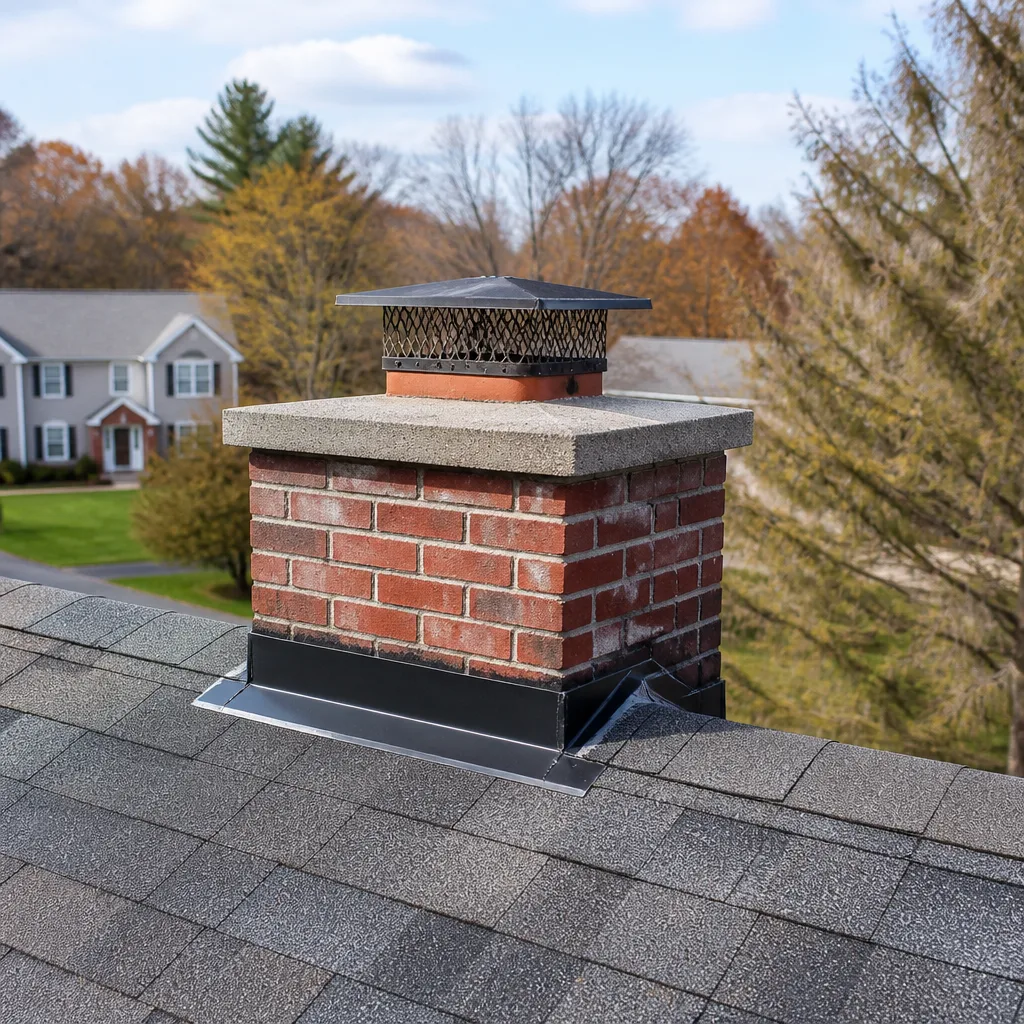 Sweep & inspection
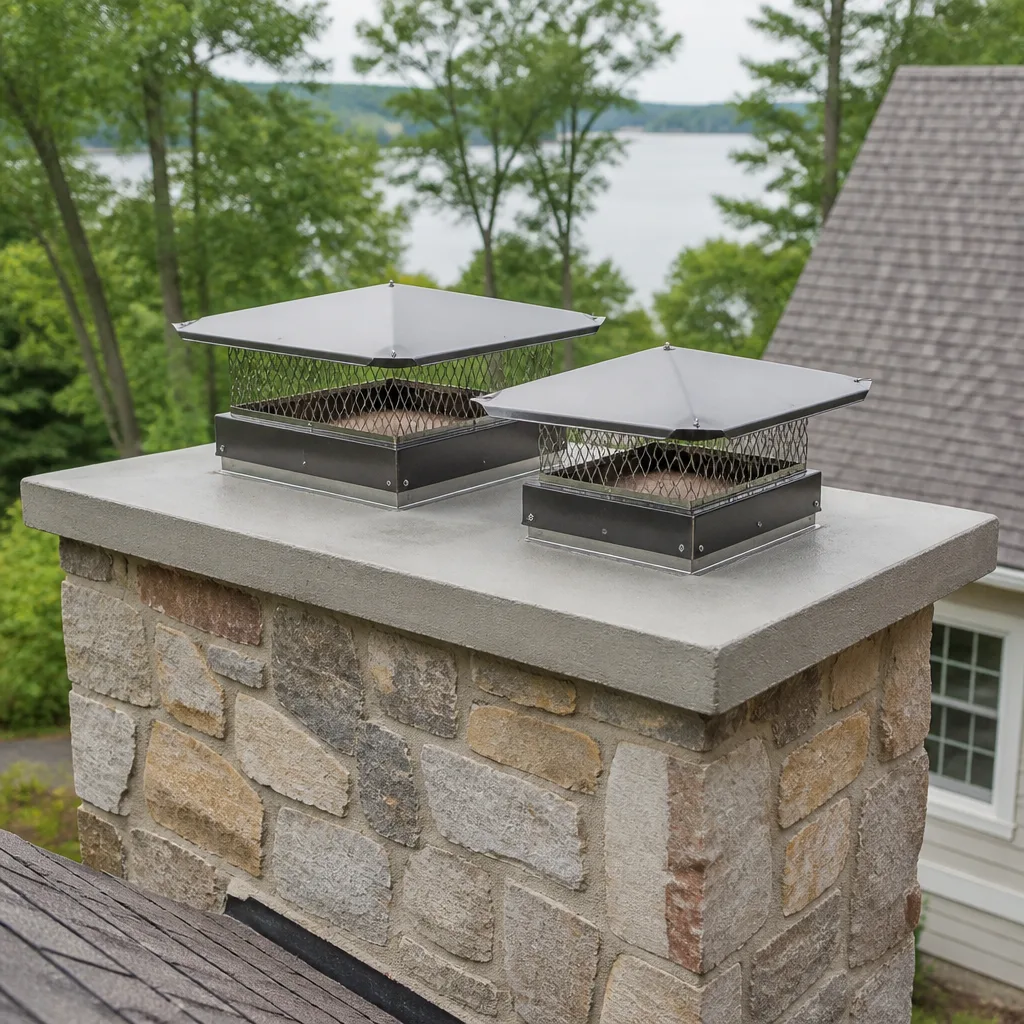 Caps & crowns
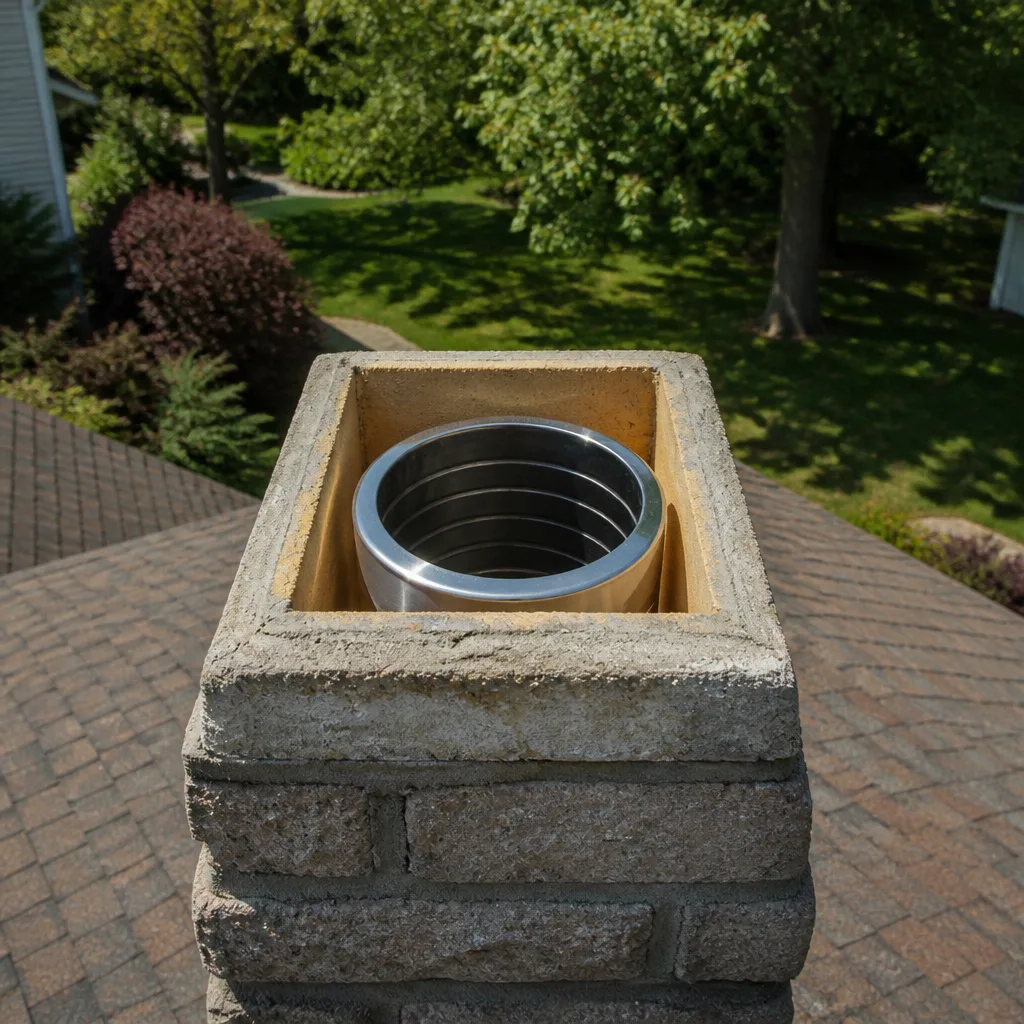 Flue relining
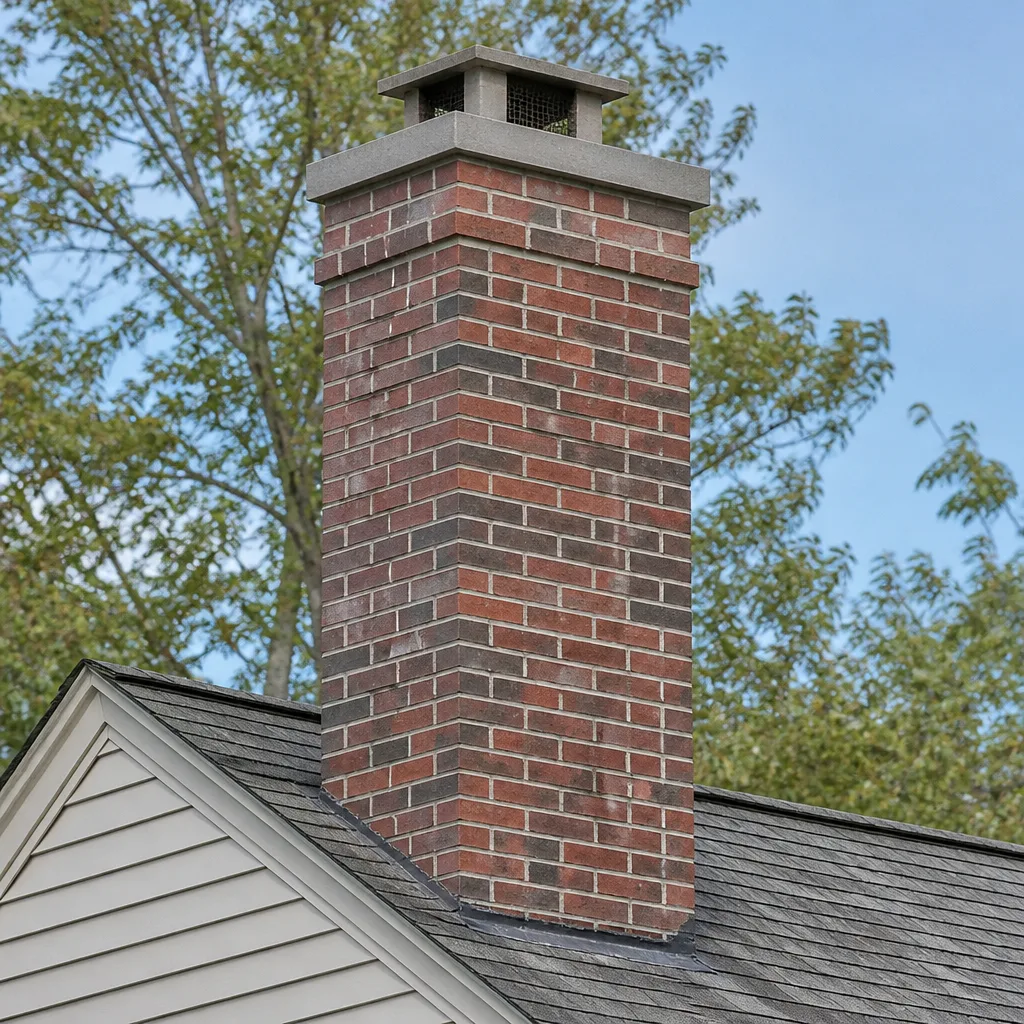 Masonry repair
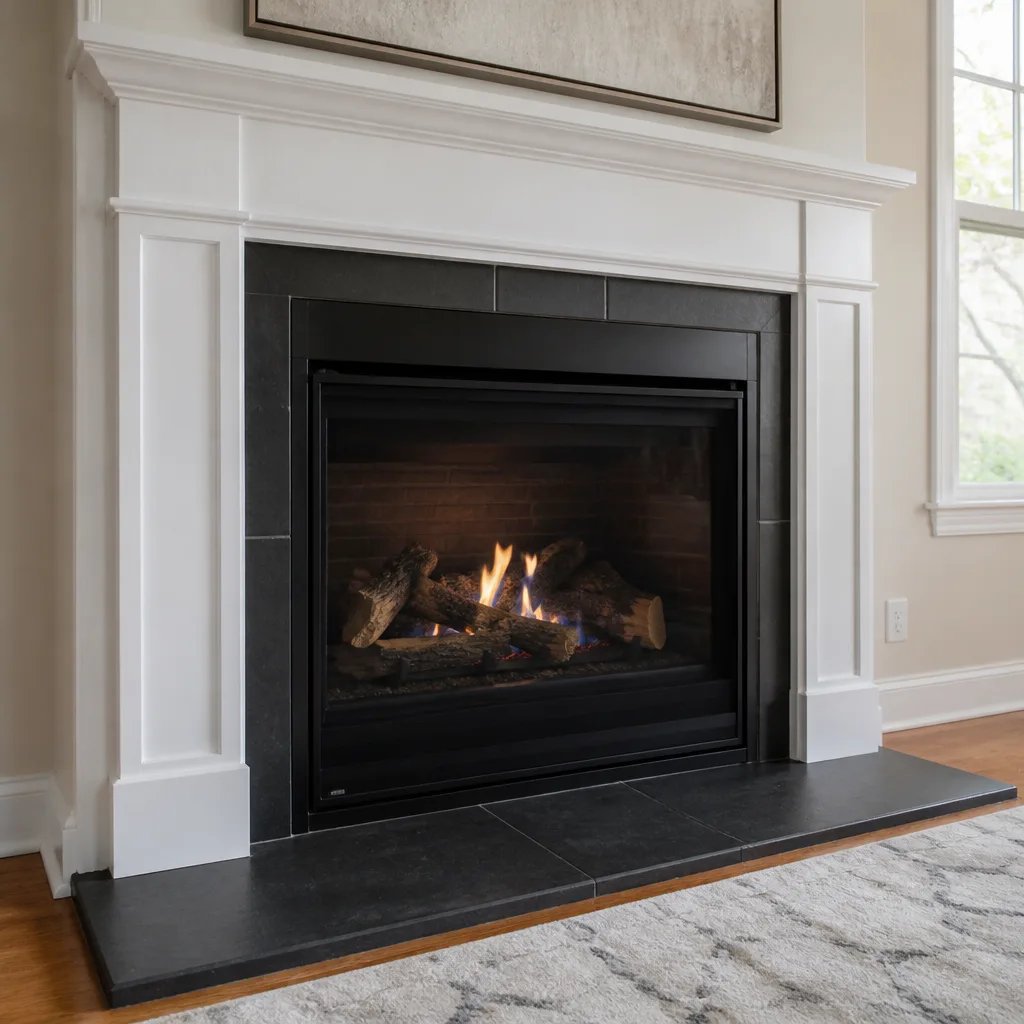 Gas fireplace service
Level 1 sweep and inspection to the NFPA 211 annual standard - flue, crown, cap, and flashing checked and photographed
Chimney sweep logs do not sweep chimneys. They loosen some creosote - which then falls where a brush and vacuum still have to collect it.
The Complete Guide to Chimney Cleaning in Orem
Most chimney fires don’t start during a roaring blaze. They ignite hours later, when residual heat in the flue meets a layer of glazed, third-degree creosote that a quick visual check would have called “light buildup.” That gap between what a chimney looks like and what it actually needs is where problems hide. In Orem, the gap gets wider than in most places: valley inversions, mixed wood-and-gas burning, and high-altitude combustion all change how creosote forms and how often your flue needs attention. This guide walks through the whole process, from how Utah Valley’s air traps combustion byproducts to how to read a sweep report line by line, so you know exactly what’s happening inside your chimney and when to act.
Quick Answer
Chimney cleaning in Orem means removing soot and creosote from the flue, firebox, and smoke chamber, then inspecting the full system for cracks, blockages, and draft problems. Most wood-burning homeowners here need a sweep once a year, though Orem’s inversion seasons and high-altitude burning can push that to twice a year for heavy users. A professional sweep ends with a documented inspection, not just a cleaned flue.
Styles & brands we work with
- Sweep & inspection
- Caps & crowns
- Flue relining
- Masonry repair
- Gas fireplace service
Table of Contents
- Why Chimney Cleaning in Orem Is Different
- How Utah Valley Inversions Accelerate Creosote Buildup
- What Altitude Does to Combustion and Sweep Frequency
- CSIA Inspection Levels: Which One Do You Actually Need?
- What Rotary Cleaning Removes That Brushes Leave Behind
- How to Read Your Sweep Report
- How Often Should You Schedule a Sweep in Orem?
- What Chimney Cleaning Costs in Orem
Why Chimney Cleaning in Orem Is Different
Chimney cleaning in most of the country follows a simple rhythm: burn wood through the winter, sweep in the fall. Orem doesn’t run on that rhythm. The city sits in the Utah Valley, hemmed between the Wasatch Range and Utah Lake, and that geography creates conditions a generic cleaning checklist never accounts for. Cold air settles into the valley and gets trapped under warmer air above it, especially through the winter months. That inversion layer holds smoke, particulate, and combustion byproducts close to the ground instead of letting them disperse.
What does that mean inside your chimney? A few specific things:
- Cooler flue temperatures. Inversion conditions come with still, cold air, and a flue that stays cooler lets smoke linger longer. Longer contact between smoke and flue walls means more creosote condenses out of the gas and sticks to the liner.
- Slower draft. A chimney relies on the temperature difference between hot flue gas and outside air to pull smoke up and out. When the outside air is cold and heavy, draft can weaken, and a weak draft leaves more unburned material coating the flue.
- Mixed-fuel homes. Plenty of Orem houses run a wood fireplace in the living room and a gas insert or furnace elsewhere. Homeowners sometimes assume the gas appliance means the wood chimney needs less attention. It’s the opposite. The wood flue takes the full creosote load on its own.
- Longer shoulder seasons. Orem homeowners often burn into spring and start again in early fall, stretching the burning season past what a once-a-year sweep calendar assumes.
None of this is a reason to panic. It’s a reason to treat your chimney as a system shaped by local conditions, not a generic appliance. When we work with homeowners across Orem, from the neighborhoods near Utah Valley University to the older blocks closer to State Street, the creosote staging we find tracks the local climate more than the square footage of the house.
If you’re starting from scratch and want to understand the routine service first, our guide to a chimney sweep covers what a standard visit involves.
How Utah Valley Inversions Accelerate Creosote Buildup
Creosote forms in stages, and the stage it reaches determines how dangerous it is and how hard it is to remove. Understanding those stages explains why an Orem flue can look fine in October and be a real hazard by January.
The three stages of creosote
- First-degree: soot and flaky residue. This is the light, powdery layer most people picture when they think of chimney buildup. It brushes off easily, but it’s also the layer a casual inspection tends to underestimate.
- Second-degree: crusty, flaky deposits. As more smoke condenses, first-degree buildup compacts into a crust that clings to the liner. A standard brush can knock some of it loose, but the stubborn patches stay put without rotary tooling.
- Third-degree: glazed, hardened creosote. This is the dangerous one. Repeated condensation cooks the creosote into a shiny, tar-like coating fused to the flue wall. It’s highly combustible, and it’s what ignites during those delayed chimney fires hours after the fire has burned down.
Inversion conditions push a flue toward the higher stages faster because they slow the exhaust and cool the smoke. The particulate that would normally vent away has more time to settle and bond. A homeowner who burns the same cord of wood in Orem as a friend burns in a windier, lower-elevation town can end up with glazed creosote a season earlier. That’s the mechanism behind the opening point: buildup that reads as light in a photo can be a higher stage in person.
What this means for your sweep schedule
The practical takeaway is that Orem chimneys reward a slightly earlier sweep than a national average suggests. If you burn regularly through the winter, booking a cleaning before the heaviest burning starts gives you a clean flue heading into the inversion season rather than a loaded one. It also means a mid-season check makes sense for anyone who burns most days.
We can’t tell you your exact creosote stage without looking, and neither can anyone else on a phone call. What we can tell you is that Orem’s air behavior is a real variable, and a specialist who works here accounts for it.
What Altitude Does to Combustion and Sweep Frequency
Orem sits at roughly 4,700 feet above sea level, and that altitude changes how a fire burns. At higher elevation, air is thinner, meaning there’s less oxygen in every cubic foot your fire draws in. A fire that ran clean and hot at sea level can smolder and smoke more here, and a smoldering fire produces far more creosote than a hot, efficient one.
In our experience, three things happen to Orem homeowners because of altitude:
- Dampers get opened wider, sometimes not wide enough. A fire gasping for oxygen smolders, and smoldering is the number-one creosote producer. Learning to run your damper and air controls for altitude makes a measurable difference.
- Wood moisture matters more. Thin air punishes wet wood. Seasoned wood below roughly 20% moisture burns hot enough to keep creosote formation in check. Green or rain-soaked wood barely stands a chance at altitude.
- Gas appliances adjust too. Gas fireplaces and inserts are often set up for lower elevations. An appliance running rich at altitude can produce more deposits than expected, which is one reason we inspect gas flues as carefully as wood ones.
How altitude shifts the sweep recommendation
The general industry recommendation is a sweep once a year for a regularly used wood fireplace. In Orem, we usually frame it this way: once a year is the floor, not the ceiling. If you burn several cords a season, or you notice smoke rolling back into the room rather than going up the flue, a second sweep partway through the winter is money well spent. The full breakdown lives in our guide on Orem Chimney Sweep Pros, where we explain how we tailor the schedule to how you actually burn.
It also connects directly to the inspection decision below. A sweep and an inspection answer different questions, and altitude is a reason to keep both on the calendar.
CSIA Inspection Levels: Which One Do You Actually Need?
The Chimney Safety Institute of America defines three levels of inspection, and Orem homeowners hear about them without much context. Here’s the plain version, with a note on which level fits which situation.
Level 1 inspection
A Level 1 is a visual check of readily accessible parts of the chimney and venting: the firebox, the flue from the firebox up as far as you can see, the damper, the smoke chamber, the cap, and the exterior where reachable. It’s paired with a standard cleaning. This is the right inspection when your system hasn’t changed, you haven’t had a chimney fire, and you burn the same appliance the same way year after year. Most routine Orem sweeps include a Level 1 as the baseline.
Level 2 inspection
A Level 2 goes deeper. It covers everything in a Level 1 plus accessible attics, crawl spaces, and other concealed areas, and it typically includes video scanning of the flue interior. You need a Level 2 when something about the system has changed or when there’s a reason to suspect hidden damage. That includes:
- Buying or selling a home (many buyers and inspectors expect it)
- After a chimney fire, even a small one
- After an earthquake or a major weather event
- When you switch fuel types or replace an appliance
- When you’ve noticed a new draft problem, odor, or visible cracking
For Orem specifically, we recommend a Level 2 whenever a home changes hands. The valley has a lot of older housing stock, and a flue that passed a casual look can have cracked tiles or a shifted liner hidden from view.
Level 3 inspection
A Level 3 is diagnostic and can involve opening walls or removing parts of the chimney to access concealed areas. It’s reserved for cases where a Level 2 turned up a suspected problem that can’t be confirmed or resolved without getting behind the structure. It’s the least common and the most involved.
How to decide
- Routine annual cleaning, no changes, no incidents: Level 1.
- New home, recent fire, appliance change, or a draft problem: Level 2.
- A Level 2 found something that needs to be seen directly: Level 3.
Our chimney repair service picks up wherever the inspection leaves off, and a documented inspection tells us exactly what the repair has to accomplish rather than guessing at it.
What Rotary Cleaning Removes That Brushes Leave Behind
Here’s a distinction that separates a real cleaning from a quick pass. A standard chimney brush is a wire or poly brush on a rod, sized to the flue and run up and down. It does fine work on first-degree soot and loose second-degree flaking. What it doesn’t do is remove glazed, third-degree creosote bonded to the liner wall. Push a brush against a tar-glazed flue and it slides right over the top.
Rotary cleaning uses a powered spinning head with interchangeable whips or chains sized to the flue. The rotation contacts the full circumference of the liner wall, scuffing and breaking up the hardened deposits that a straight brush won’t touch. That’s why the cleaning method matters as much as the cleaning itself.
Why liner condition changes the approach
Not every flue tolerates aggressive rotary work, and a specialist matches the method to the liner. A clay tile flue in good condition can take rotary cleaning. A deteriorated liner with a compromised HeatShield coating or a failing tile joint needs a gentler approach and, often, repair before cleaning. Flexible liner systems like DuraFlex can handle rotary cleaning when installed correctly, but the technician needs to know what’s inside the flue before choosing a head and speed.
That’s the reason a sweep and an inspection belong together. You can’t make the right cleaning decision without first knowing what the flue is made of and what shape it’s in.
What gets cleaned, part by part
- Firebox: soot, ash, and any debris that has collected.
- Damper: checked for smooth operation and cleared of debris.
- Smoke chamber: the sloped area above the damper where creosote and soot love to accumulate.
- Flue: brushed or rotary-cleaned, top to bottom.
- Cap and crown: cleared of nests, leaves, and animal debris, and checked for damage.
A cap is worth its own note. A missing or damaged cap is one of the most common reasons an Orem flue fills with surprises, from bird nests to rain intrusion. We install Gelco and Famco caps and crowns built specifically for the job, not improvised covers, so the top of the system is protected between cleanings.
How to Read Your Sweep Report
A professional sweep ends with a written report, and that report is the most useful document you’ll get about your chimney. The trick is knowing which findings demand immediate action and which can wait for next season. Here’s how we frame it for our own customers.
Findings that require action now
- Third-degree glazed creosote. This is a fire hazard and needs removal before the next burn. Rotary cleaning handles what a brush can’t.
- Cracked or missing flue tiles. Cracks let heat and gases reach combustible framing. HeatShield ceramic resurfacing can restore a deteriorating flue that doesn’t yet need a full liner replacement.
- Blocked flue. Nests, collapsed liner, or heavy soot. Never burn until it’s cleared.
- Carbon monoxide concerns. Any sign of backdrafting or a compromised vent needs immediate attention, because a blocked or cracked flue can let carbon monoxide into the living space.
- Damaged crown or missing cap. Water intrusion degrades the whole system. A proper crown and cap are preventive work, and we treat them as part of the full chimney system, not an add-on.
Findings that can wait for next season
- Light first-degree soot. Normal, and cleaned as part of the sweep.
- Minor surface rust on exterior components. Worth watching, not urgent on its own.
- A slightly sticky damper. Note it and address it at the next visit.
- Recommendations for a cap upgrade. Worth planning, especially if you don’t have a proper cap now.
The point of the report is that you can see what we see. A documented inspection, with photos and a written summary, lets you verify the findings yourself rather than taking someone’s word. If a recommendation comes with a camera image and a clear explanation, you can judge it. If it doesn’t, ask why.
If a repair is what the report calls for, our fireplace repair work covers the firebox and damper side of the equation, and it’s handled by the same specialist who inspected the flue.
How Often Should You Schedule a Sweep in Orem?
Once a year for a wood-burning fireplace is the standard starting point, and for many Orem homes that’s exactly right. The honest answer is that the right frequency depends on three things: how much you burn, how you burn, and what the flue is doing.
A simple rule of thumb
- Occasional use (a fire a few times a month through winter): one sweep a year, ideally before the burning season.
- Regular use (most evenings through the cold months): one sweep a year at minimum, and consider a second check mid-winter.
- Heavy use (near-daily burning, or several cords a season): two sweeps a year is the safer schedule in Orem’s conditions.
Beyond volume, watch for the signs that say sweep now rather than later: smoke rolling back into the room, a strong creosote smell even when the fireplace is cold, soot falling onto the hearth, or a fire that’s noticeably harder to get going than it used to be. Any of those is a reason to book a visit rather than wait for the calendar.
Why “before the season” beats “after”
Cleaning at the end of the burning season clears the creosote that built up over the winter, which is a fair strategy. Cleaning before the season starts means you head into the heaviest burning months with a clear flue, which matters more in a place where inversions slow draft and trap byproducts. We usually suggest a pre-season sweep so you’re burning clean from the first cold night.
What Chimney Cleaning Costs in Orem
Chimney cleaning costs vary with the state of the flue, the access, and whether anything turns up during inspection. Here’s the general range homeowners in Orem can expect. The written estimate always sets the final price.
| Service | Typical estimated range |
|---|---|
| Standard chimney sweep | $150 – $300 |
| Sweep with Level 1 inspection | $175 – $350 |
| Level 2 inspection (with video scan) | $250 – $500 |
| Rotary cleaning for glazed creosote | $250 – $450 |
| Chimney cap installation | $150 – $400 |
| Crown repair or rebuild | $350 – $900 |
A few things worth knowing about how that pricing gets set. A sweep is straightforward and priced per job. Finding glazed creosote means rotary cleaning instead of a brush pass, which changes the scope. And if the inspection turns up a liner problem, the estimate for HeatShield resurfacing or a DuraFlex liner replacement is a separate conversation with its own written estimate.
What we won’t do is recommend liner or masonry work you can’t verify. If we find a problem, you’ll see the camera image and the photo report, and you’ll know whether the work can safely wait or shouldn’t. Estimates are free, and the flat-price sweep is agreed before we book. Call (877) 523-5597 to set one up.
Common Mistakes to Avoid
- Assuming a gas fireplace means no cleaning needed. Gas appliances produce less creosote but still generate deposits, and a blocked or disconnected vent is a carbon monoxide risk. Both need inspection on a schedule.
- Burning wet or unseasoned wood. At Orem’s altitude, wet wood smolders and produces far more creosote than dry wood. Season your wood and check moisture before you burn.
- Skipping the inspection because the flue looked clean. Soot isn’t the whole story. Cracked tiles, a failing liner, and a damaged crown don’t show up in a glance from the firebox.
- Using a brush-only sweep to handle glazed creosote. If a flue has third-degree buildup, a straight brush won’t remove it. Ask whether rotary cleaning is part of the service.
- Waiting to clean until after the season in a valley with inversions. A clean flue heading into the season matters more in a place where draft can weaken under inversion conditions. Clean before, not just after.
- Ignoring the cap and crown. A missing cap or a cracked crown lets water and wildlife into a flue and degrades the whole system. It’s inexpensive prevention compared to the repair it prevents.
- Assuming altitude doesn’t matter. A fire tuned for sea level can run smoldering in Orem. Learn your damper and air controls, and let the flue work the way it’s designed to.
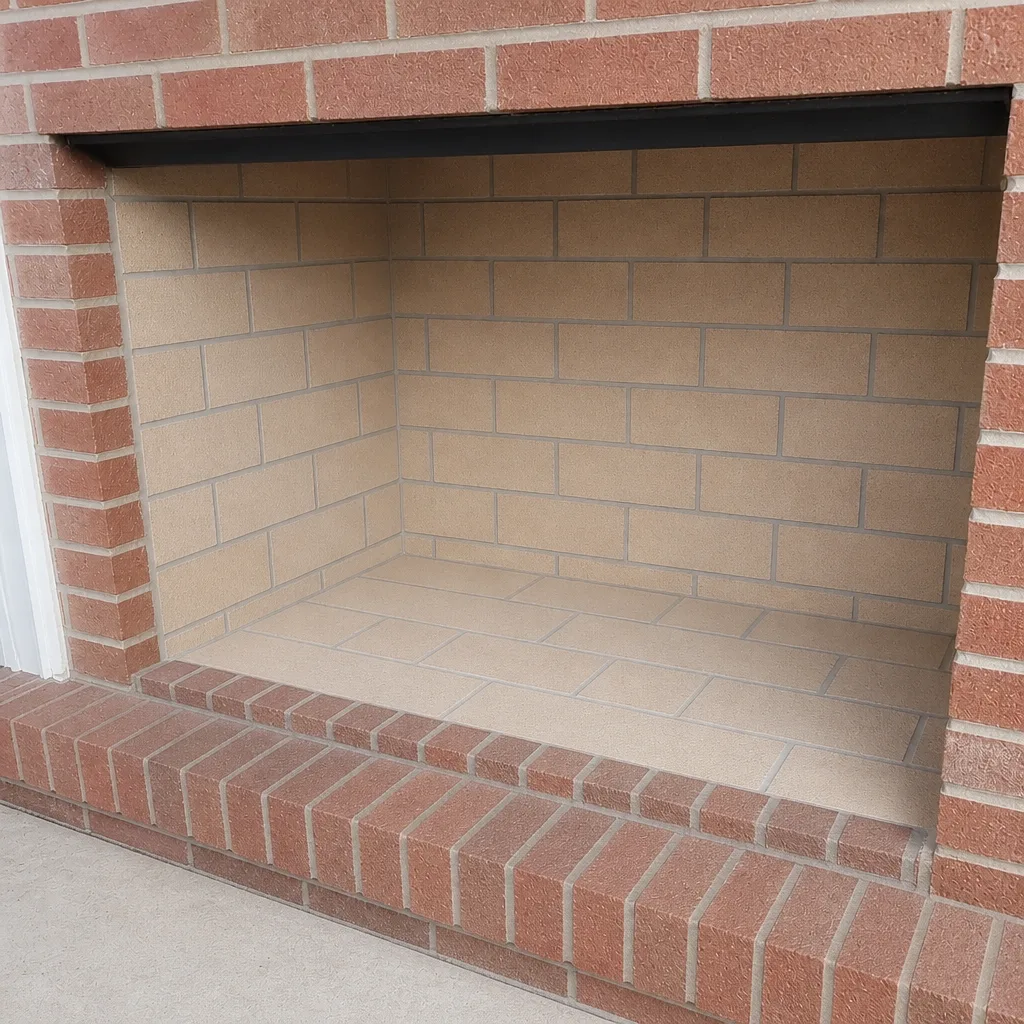
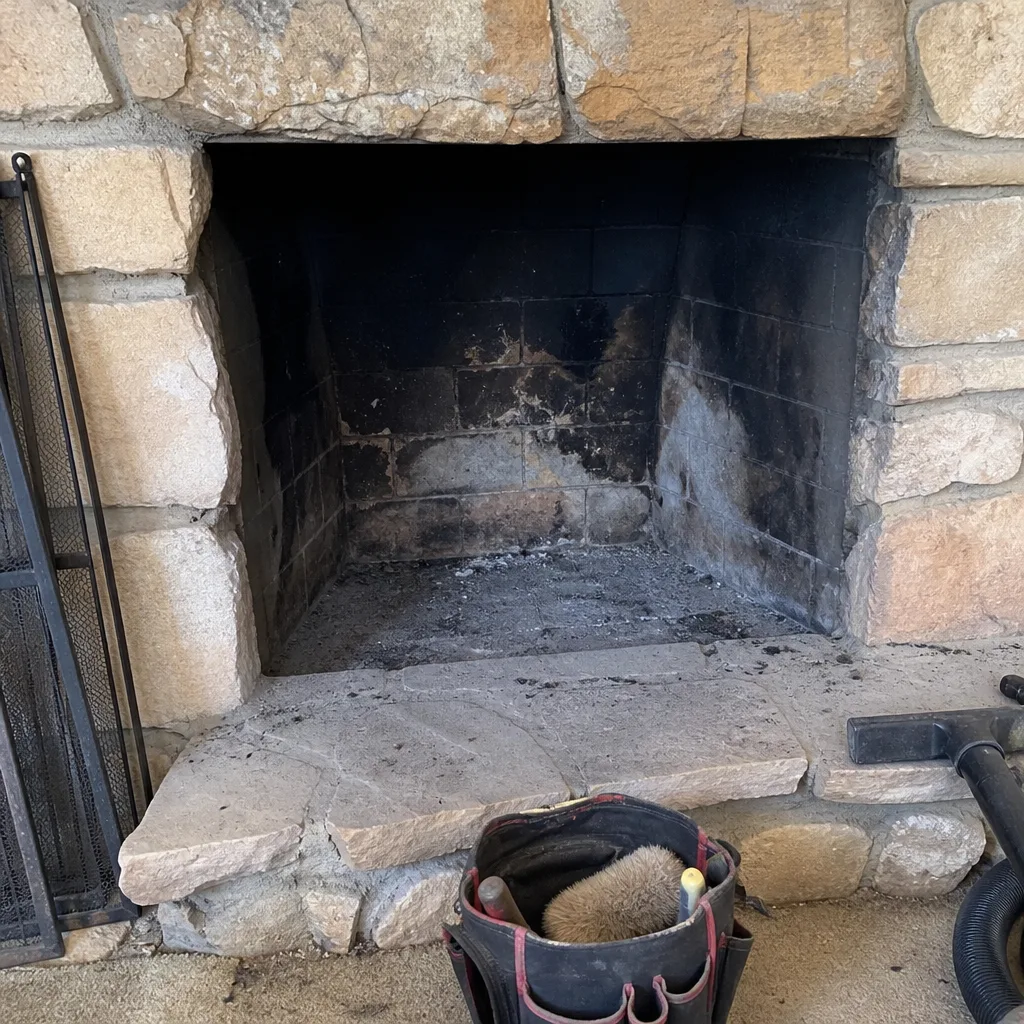
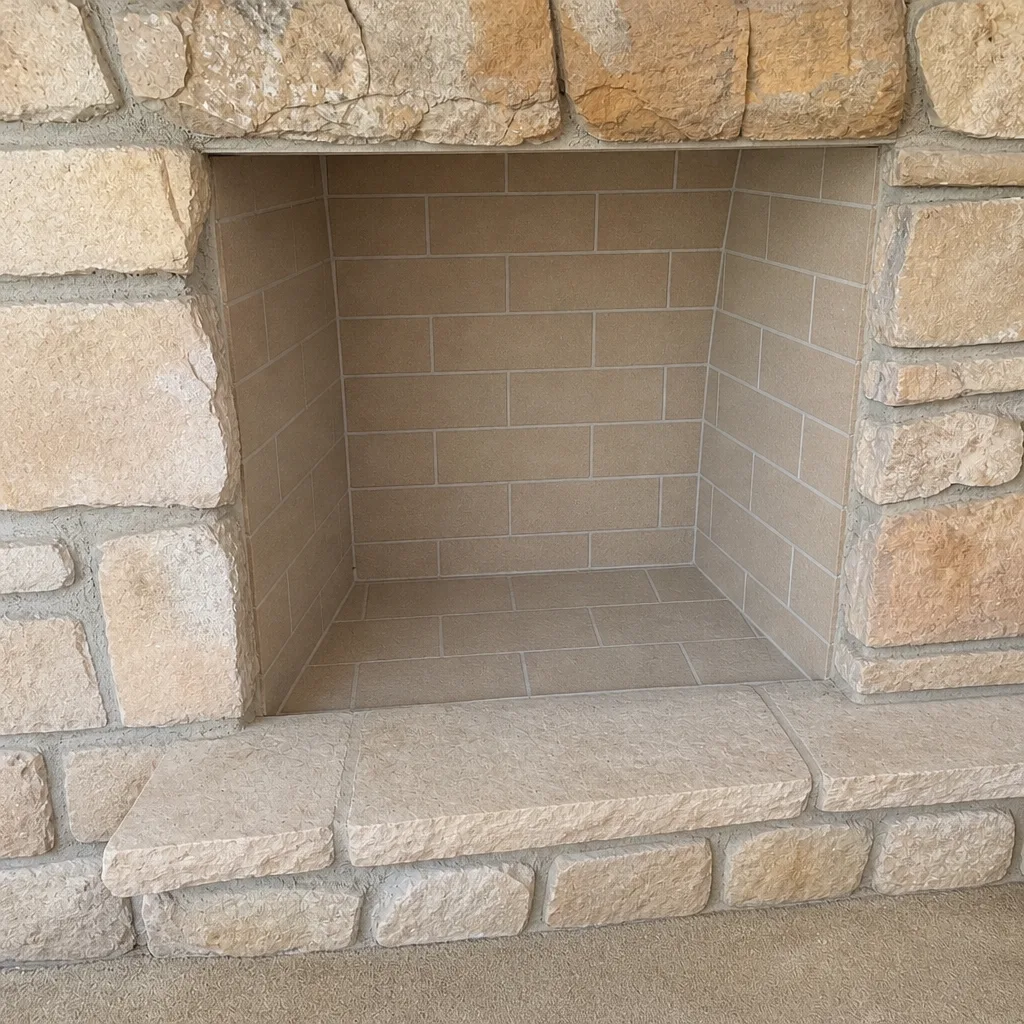
See the difference
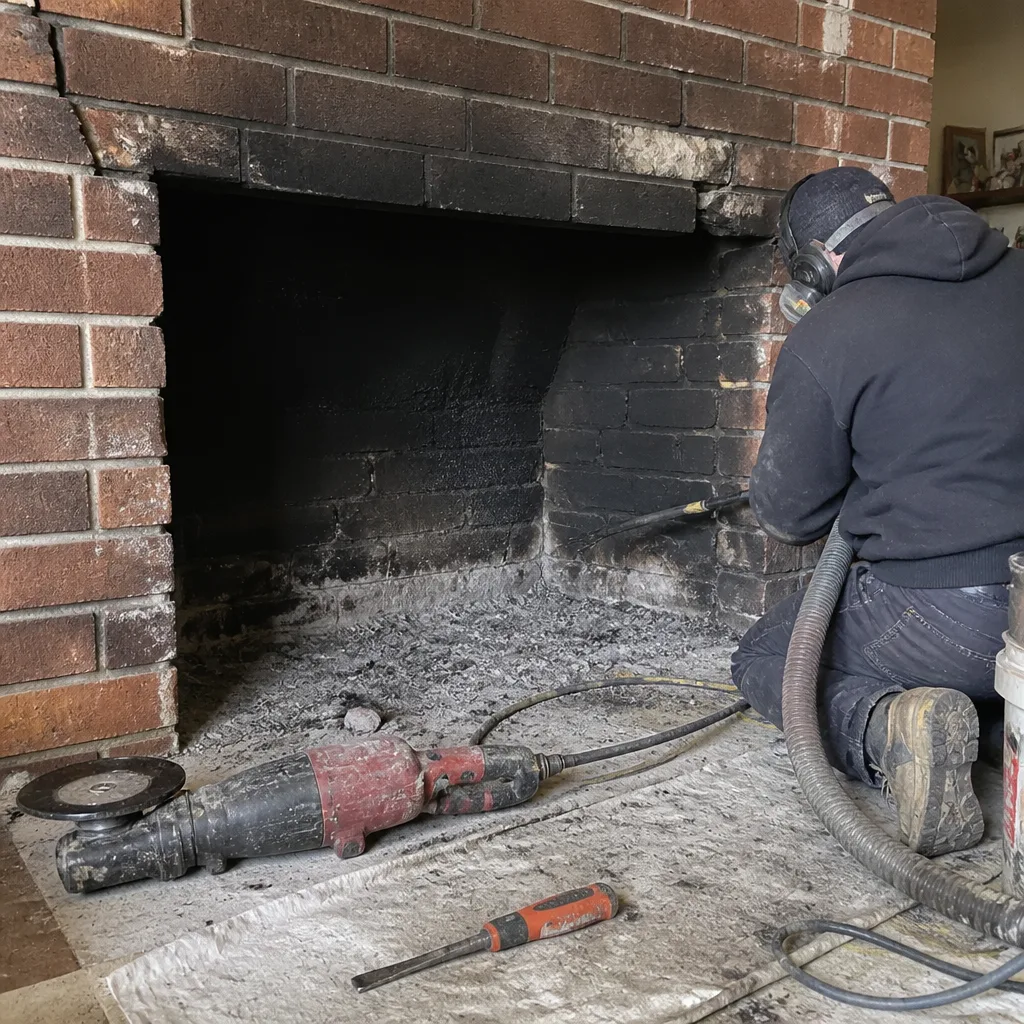 Before
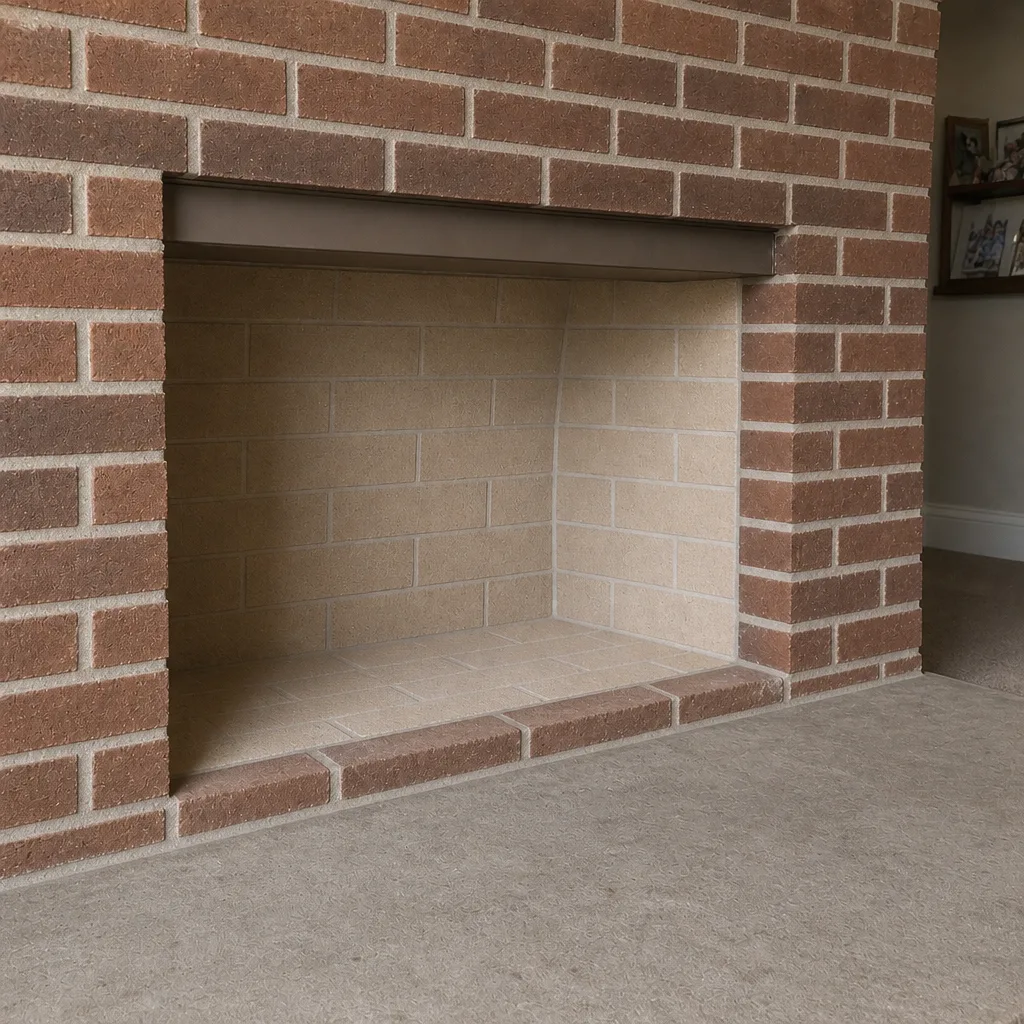 After
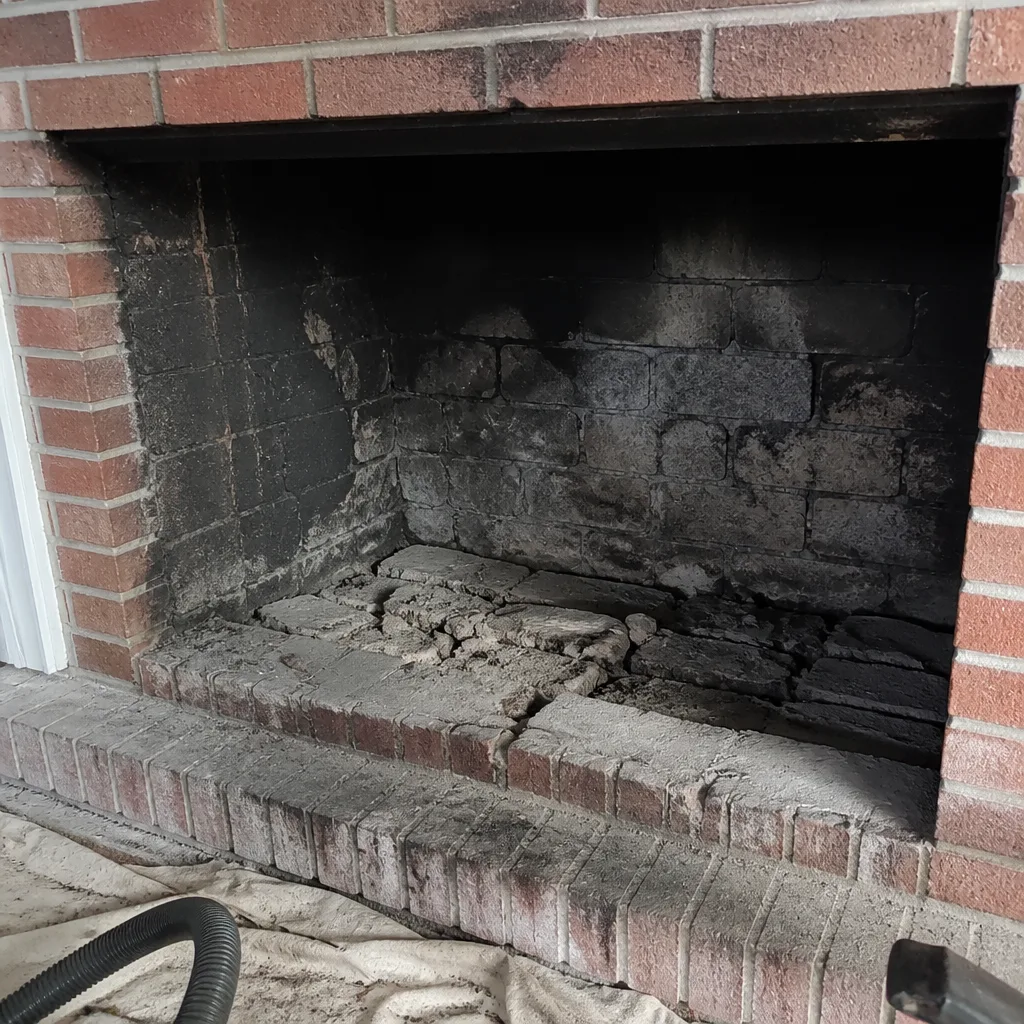 Before
 After
 Before
 After
When to Call a Professional
Some chimney work is routine and some is urgent, and knowing the difference keeps you safe. Call a professional when smoke rolls back into the room instead of going up the flue, when you smell a strong creosote odor even when the fireplace is cold, when soot is falling onto the hearth, or when you’ve had a chimney fire of any size. A chimney fire doesn’t have to be obvious to have damaged the flue, and a Level 2 inspection is the right response afterward. Call us if you’re buying or selling a home in Orem and need a documented inspection, if you notice carbon monoxide symptoms anywhere in the house, or if it’s simply been more than a year since your last sweep. When in doubt, a documented inspection costs less than the repair it can prevent.
Orem Chimney Sweep Pros offers free estimates in Orem – call (877) 523-5597. Our technicians have up to 12 years of experience, and every visit includes a documented inspection so you can see the findings for yourself.
Frequently Asked Questions
For most wood-burning homeowners in Orem, once a year is the minimum, and heavy users should consider twice a year. The recipe: pre-season sweep before the heaviest burning, then a mid-winter check if you burn most evenings. Inversion conditions and high-altitude smoldering both push creosote formation faster here than in a milder climate. Call (877) 523-5597 for an exact schedule recommendation for your flue.
Skipping cleaning lets creosote build through stages until it becomes a glazed, highly combustible layer, which is the fuel behind many chimney fires. It also lets a hidden problem, like a cracked tile or a failing crown, progress unchecked. A chimney fire can happen hours after the fire has died down, which is why buildup removal matters even when the fire looks fine. Call (877) 523-5597 to book a sweep before the next burning season.
A Level 1 inspection is right for a routine annual sweep when nothing about your system has changed. A Level 2, which adds a video scan of the flue interior, is the one you want when you’re buying a home, after any chimney fire, or when you’ve noticed a new draft or odor problem. If you’re unsure which one applies, describe your situation when you call. Call (877) 523-5597 for a free estimate.
Creosote buildup depends on how you burn, what you burn, and how the flue behaves, not just on how often you light a fire. A smoldering fire from wet wood or an under-opened damper produces far more creosote than a hot, clean burn, and Orem’s altitude makes smoldering more likely if the fire isn’t tuned. Poor draft from a blocked or damaged cap adds to it. Call (877) 523-5597 and we’ll walk through your burning habits and flue condition.
It’s safer to clean before the season than after it, especially in a valley where inversions slow draft and trap combustion byproducts. Cleaning before the season means you burn from the first cold night with a clear flue. If it’s been more than a year since the last sweep, the time to clean is now, not after the next winter. Call (877) 523-5597 for a free estimate.
Glazed, third-degree creosote needs rotary cleaning, not a standard brush pass, before you burn again. It’s the stage most likely to ignite, and a brush slides right over the hardened surface. If the report also notes a damaged liner, HeatShield ceramic resurfacing or a DuraFlex liner replacement may be the right repair. Call (877) 523-5597 and we’ll show you the findings and the options.
The Bottom Line
Chimney cleaning in Orem isn’t a generic annual chore. The valley’s inversion seasons cool the flue and slow draft, the altitude makes fires smolder if they aren’t tuned, and mixed-fuel homes carry more creosote in the wood flue than owners expect. Those conditions reward doing three things right: match the inspection level to what’s actually happened to your system, use the cleaning method that matches the creosote stage, and read the report so you know what’s urgent and what can wait. A documented inspection you can verify is the difference between a real assessment and a sales pitch. Our technicians have up to 12 years of experience, and we work with professional-grade brands including HeatShield, DuraFlex, Gelco, and Olympia Chimney.
Contact
When you’re ready to get your Orem chimney inspected and cleaned this season, call Orem Chimney Sweep Pros at (877) 523-5597 for a free estimate. We answer 24/7. Fast dispatch, 7am-7pm, Sunday through Friday. We’ll come out, clean the flue, document what we find, and show you the pictures so you can see the condition of your system for yourself before anything is recommended.
Written by the team at Orem Chimney Sweep Pros.