
Last updated November 25, 2026
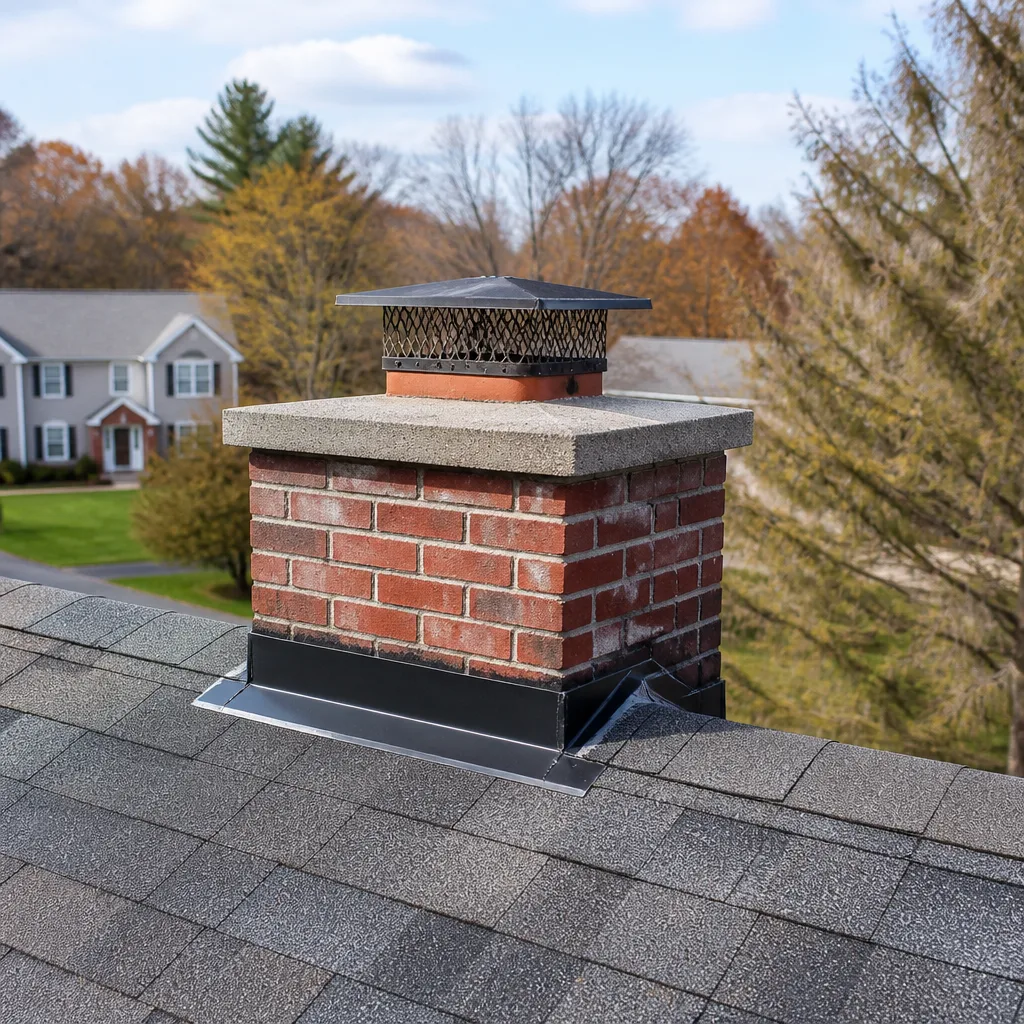 Sweep & inspection
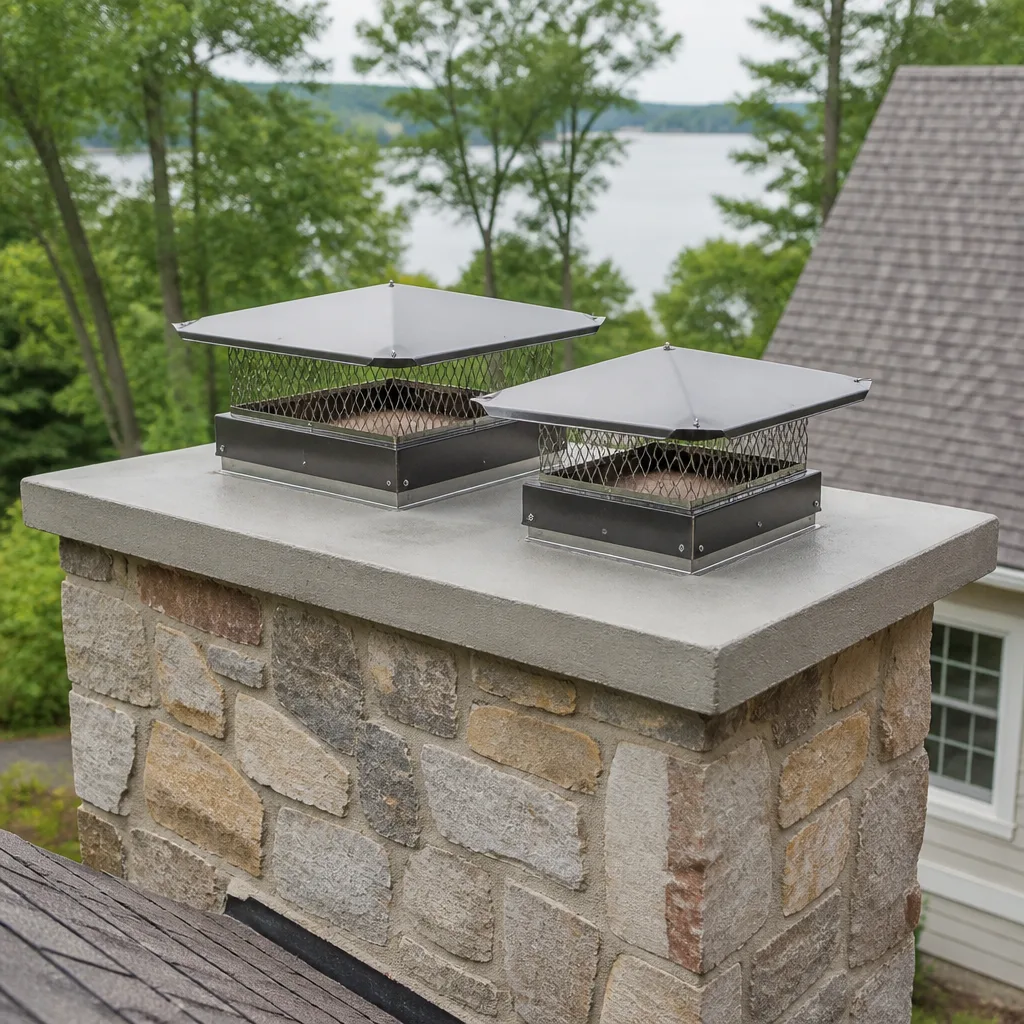 Caps & crowns
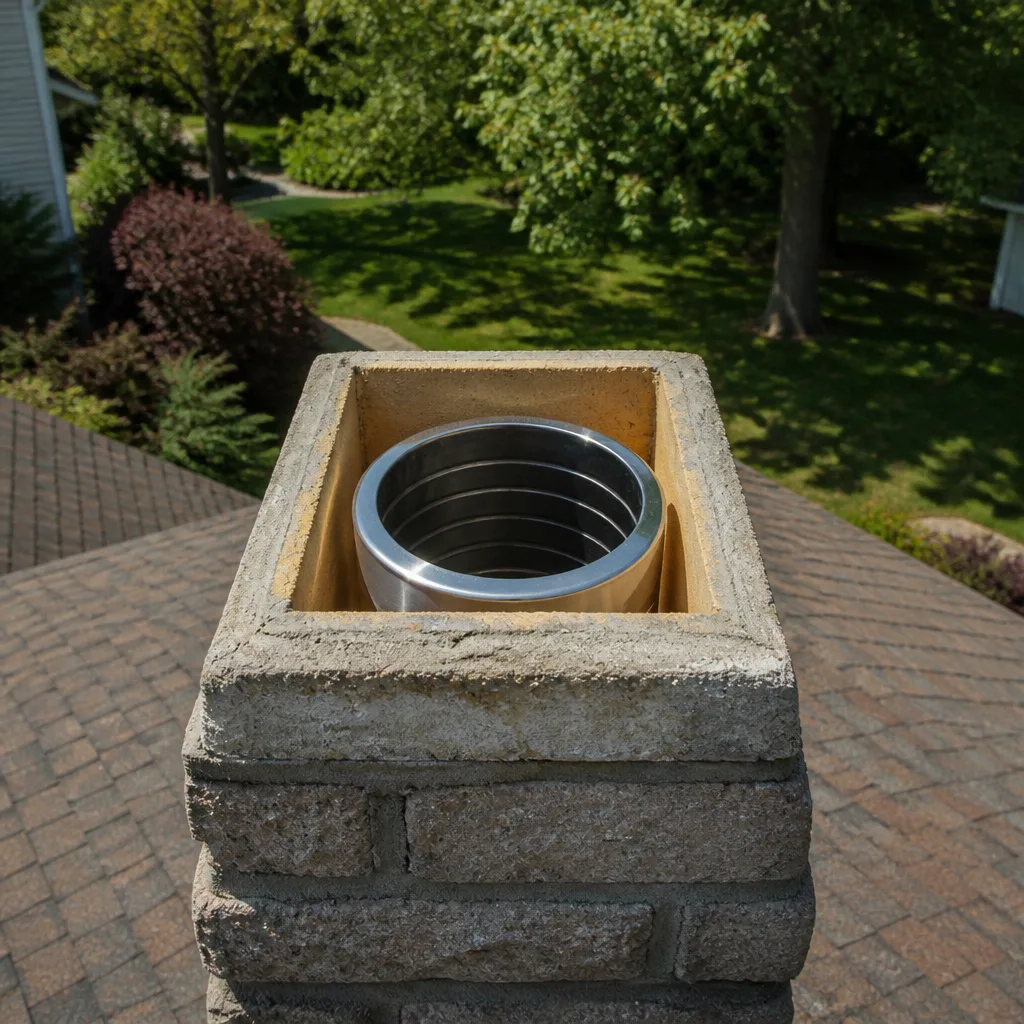 Flue relining
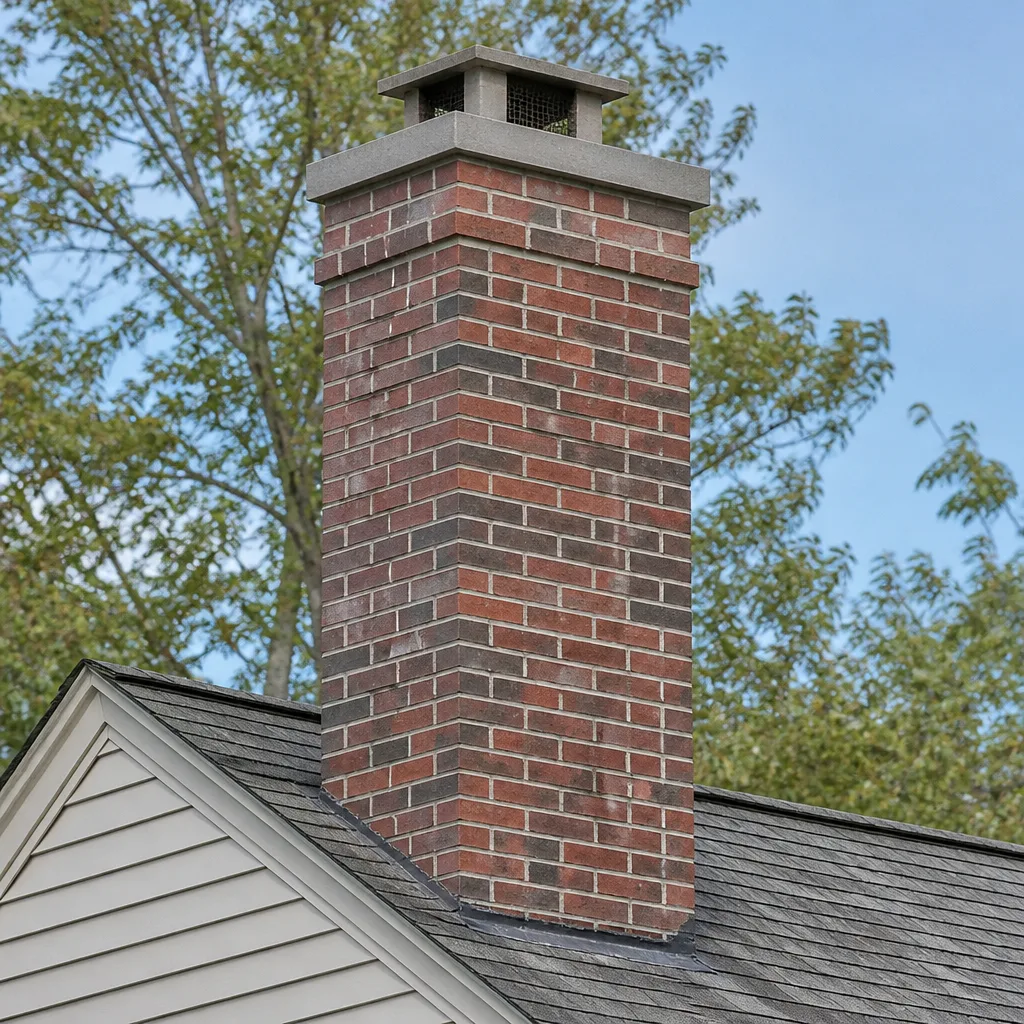 Masonry repair
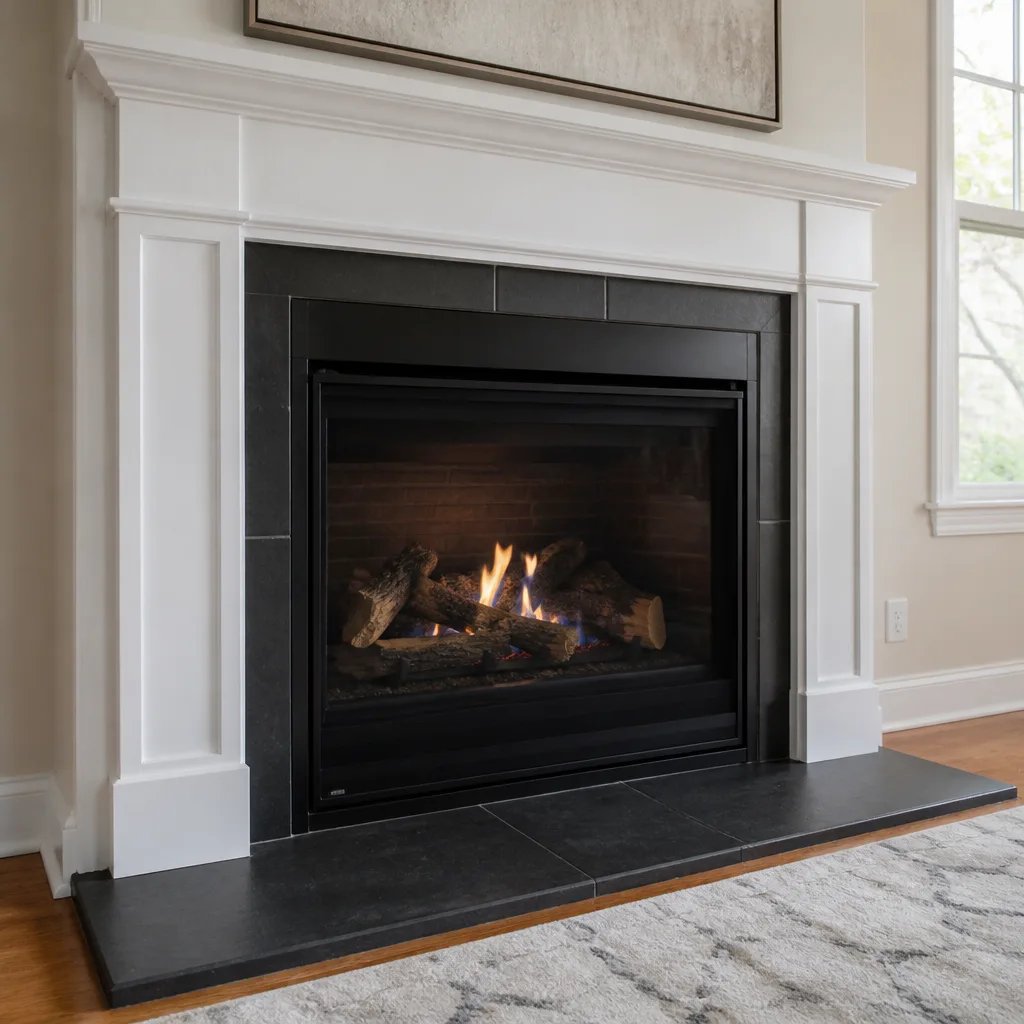 Gas fireplace service
Level 1 sweep and inspection to the NFPA 211 annual standard - flue, crown, cap, and flashing checked and photographed
Chimney sweep logs do not sweep chimneys. They loosen some creosote - which then falls where a brush and vacuum still have to collect it.
Chimney Cleaning Emergency Preparedness Guide for Orem Homes
Most people picture a chimney fire as a roar of flames shooting out of the fireplace. It usually isn’t. Plenty of homeowners describe a low rumble or a vibration in the flue they assumed was wind, only to find dark smoke venting from the top of the chimney and creosote flaking off the cap. By the time visible flames appear, the liner has often already been damaged. That gap between what a chimney emergency looks and sounds like and what people expect is where real danger hides. This guide covers how to recognize an active chimney fire from inside the house, what to do in the first few minutes, how carbon monoxide sneaks past failed liners without any smoke at all, and what preparation actually looks like for a home in Orem before winter sets in.
Quick Answer
If you suspect a chimney fire, close the fireplace doors or damper, get everyone outside, and call 911. Once the fire department clears the scene, the chimney needs a formal inspection by a qualified specialist before you burn again, because the liner is often the first thing to fail. The strongest emergency preparation is prevention: an annual chimney sweep, a documented inspection, and a properly fitted cap stop most chimney fires and carbon monoxide events before they start.
Styles & brands we work with
- Sweep & inspection
- Caps & crowns
- Flue relining
- Masonry repair
- Gas fireplace service
Table of Contents
- How to Recognize an Active Chimney Fire From Inside the House
- What to Do in the First Five Minutes
- What the Orem Fire Department Responds To vs. What Needs a Specialist
- Carbon Monoxide Risk and Chimney Failure Modes
- Why a Visual Check Isn’t Enough After a Chimney Fire
- Preventing Chimney Emergencies in Orem’s Winter Climate
- Your Pre-Season Emergency Kit and Documentation
- Common Mistakes to Avoid
How to Recognize an Active Chimney Fire From Inside the House
A chimney fire can be loud or nearly silent, and the quieter ones are often the more damaging. They smolder inside the flue at high temperature and crack the liner from the inside out while the firebox looks normal. That’s why knowing the signs from indoors matters so much. Orem homes that burn wood through a long, cold valley winter put steady wear on their flues, and creosote buildup is the fuel that turns a routine fire into an emergency.
Watch for these signals from inside the house:
- A low roar or vibration that sounds like wind or a distant train moving through the flue.
- Creosote flakes or soot falling into the firebox or landing on the roof and ground near the chimney cap.
- Dark smoke or sparks venting from the top of the chimney, visible from outside.
- A hot chase or flue wall you can feel radiating from the chimney structure inside the home.
- A strong, acrid smell that lingers even after the fire dies down.
- Popping or crackling that continues after the wood has burned down.
A slow-burning chimney fire can look like nothing more than a smoky, stubborn fire in the firebox. If you notice any of the signs above together, treat it as an active event. Because the symptoms are easy to mistake for normal draft problems, homeowners in Orem with older masonry chimneys should be especially careful about reusing the flue after any odd incident before a specialist has looked at it.
What to Do in the First Five Minutes
The immediate response to a suspected chimney fire follows a short, clear sequence. The goal in the first few minutes is to cut oxygen to the fire, protect the people in the house, and get help moving.
- Close the fireplace doors or damper. Limiting air slows the fire’s growth in the flue.
- Get everyone outside. Don’t stop for belongings. Carbon monoxide and smoke can build quickly.
- Call 911. The fire department can confirm whether the structure itself is involved.
- Do not pour water down the flue. On a hot masonry flue this can crack the liner and do more damage than the fire.
- Do not use the fireplace again until a specialist has inspected the system.
If the fire has already died down by the time you’re outside, don’t take that as the end of the event. Many chimney fires burn themselves out, then leave a cracked tile liner, damaged flue joint or warped metal liner behind. The fire department’s job is to protect the structure; the chimney specialist’s job comes afterward, and both matter. We answer 24/7 at (877) 523-5597, and fast dispatch from 7am to 7pm runs Sunday through Friday.
What the Orem Fire Department Responds To vs. What Needs a Specialist
Understanding the two roles saves confusion in an emergency. The Orem Fire Department responds to structure fires, smoke investigations and reports of flames or heavy smoke coming from a house. Their priority is stopping the spread of fire to the rest of the structure and getting occupants to safety. That’s a different job from assessing whether the chimney itself is safe to use again.
What the fire department handles:
- Confirming whether the fire has spread into walls, attic or framing.
- Ventilation, extinguishing an active structure fire, and securing the scene.
- Identifying immediate hazards like collapse or electrical exposure.
What requires a certified chimney specialist:
- Inspecting the flue liner for cracks, spalling or separation after heat exposure.
- Checking the crown, cap and flashing for fire or heat damage.
- Documenting the system’s condition before anyone lights another fire.
- Recommending repair, relining or resurfacing when the liner has failed.
The step people skip is the third one. In our experience, a home that “looked fine” after a chimney fire often turns out to have a damaged liner that only shows up during a proper inspection. That’s the moment a specialist, not a generalist, becomes essential.
Carbon Monoxide Risk and Chimney Failure Modes
Carbon monoxide is the quiet half of chimney emergencies. It has no color, no smell and no visible smoke, and it can enter a home through a chimney system that looks and sounds perfectly normal. The most common chimney failure modes that produce CO without any visible fire are specific and worth knowing.
- A cracked or spalled flue liner. Combustion gases escape through the crack into wall cavities and living space instead of going up and out.
- A blocked or partially blocked flue. Nests, leaves, and heavy creosote buildup can force gases back into the house.
- Backdraft from poor draft. A negative pressure in the home, or a flue that isn’t drafting properly, pulls exhaust back inside.
- A disconnected flue pipe on a gas appliance. The exhaust vents into the room rather than up the chimney.
- A missing or damaged cap. Rain, debris and wildlife enter the flue and compromise its function.
Orem’s winters make this worse. Homes stay sealed up for long stretches, wood stoves and gas fireplaces run for hours, and windows stay closed. That combination means a failing liner has fewer chances to be noticed through draft symptoms, and more time to vent exhaust indoors. Working carbon monoxide alarms on every level of the home, and near sleeping areas, are non-negotiable. Test them before the burning season starts, and replace batteries at the same time each year. If your alarm sounds and you can’t confirm a source, get everyone outside and call 911 before doing anything else.
Why a Visual Check Isn’t Enough After a Chimney Fire
A visual look up the fireplace with a flashlight tells you almost nothing after a chimney fire. The most serious damage happens where you can’t see it: inside the flue liner, at the joints between tiles, and at hidden offsets or bends. This is why post-fire assessment requires a formal inspection, not a quick glance from a generalist or a homeowner.
Here’s how the inspection levels differ:
- Level 1 inspection: A visual check of the readily accessible portions of the system. Appropriate when the system is in known good condition and no event has occurred.
- Level 2 inspection: Covers accessible portions and is appropriate after a chimney fire, when a change of fuel or appliance is planned, or when the property changes hands. Often includes video scanning of the flue.
- Level 3 inspection: Necessary when a Level 2 finds a problem that requires opening up concealed areas of the chimney structure, such as inside a wall or chase, to inspect and assess the damage.
A Level 3 inspection is the one that reveals the real extent of damage after a serious chimney fire, and it’s the one most homeowners don’t know exists until the damage forces the issue. If the inspection finds a damaged liner, HeatShield ceramic resurfacing can restore a deteriorated flue in cases where full replacement isn’t yet required. For chimneys with offsets or bends where a rigid liner won’t fit properly, a DuraFlex flexible liner provides a professional-grade solution. Both are evaluated during the inspection, and the recommendation should always rest on what the inspector can document, not on assumption.
Preventing Chimney Emergencies in Orem’s Winter Climate
Prevention is where most chimney emergencies get stopped. Orem sits in a high, cold valley with long heating seasons, and that means the fireplace or wood stove runs for months at a stretch. The conditions that produce creosote buildup and eventually a chimney fire accumulate slowly through the season, then become dangerous on the coldest nights when the system is working hardest.
The prevention work that actually matters:
- Book a sweep before the burning season. Late summer and early fall is the time to clear creosote before you start lighting fires.
- Get a documented inspection alongside the sweep. That record becomes critical after any event.
- Install a quality cap and crown. A properly fitted cap keeps rain, debris and wildlife out of the flue, and a sound crown sheds water away from the chimney structure. Gelco and Famco caps and crowns are purpose-built components, not improvised covers.
- Burn seasoned, dry wood. Wet or green wood produces far more creosote than dry fuel.
- Never overfire the appliance. High heat accelerates liner wear and cracks.
- Test your CO and smoke alarms monthly during the burning season.
If the inspection turns up a liner that’s deteriorated but not yet ready for full replacement, ceramic resurfacing with HeatShield can extend its safe service life through a process not every chimney company offers. The right scope comes from the documented inspection, not from a guess.
Your Pre-Season Emergency Kit and Documentation
When an emergency happens, seconds matter and a cool head is hard to hold. A small emergency kit and a one-page system summary take the guesswork out. First responders and the specialist who follows both benefit from knowing what’s in the chimney before they arrive.
What to keep on hand:
- Fire extinguisher rated for wood fires, stored near the fireplace.
- Working flashlights on each level of the home.
- Fresh batteries for smoke and CO alarms.
- A fire escape plan posted where everyone can see it.
What information to document before you ever need it:
- The appliance type: wood-burning fireplace, insert, free-standing stove, or gas fireplace.
- The date and result of your last chimney sweep and inspection.
- Any liner material or repair history (for example, whether the flue has a clay tile liner, a metal liner, or was resurfaced).
- The location of the chimney cap, if you can describe it, since capped and uncapped flues respond differently to a fire.
- Your carbon monoxide alarm locations.
Keep that summary with the alarm documentation or taped inside a kitchen cabinet. In Orem, when you call about a suspected chimney fire, having those details ready helps whoever responds move faster and make better decisions, whether that’s the fire department or a specialist inspecting the flue afterward.
Common Mistakes to Avoid
- Assuming “it sounded like wind.” A low roar in the flue is one of the most common descriptions of a chimney fire, and it’s easy to dismiss.
- Pouring water down the flue. On a hot flue this can crack the liner and turn a manageable fire into a major repair.
- Skipping the inspection after the fire department leaves. The structure may be intact while the liner is heavily damaged and unsafe to use.
- Relighting the fireplace to “see if it’s still working.” Never test a chimney after an event until a specialist has certified it.
- Relying on a visual check. Cracks inside the flue are invisible from the firebox and show up only with a camera inspection.
- Going without a chimney cap. In Orem, an uncapped flue invites rain, debris and wildlife that can block the flue without any warning.
- Skipping the CO alarm test. A silent CO leak is the failure mode most homeowners never plan for and the one most worth preventing.
See the difference
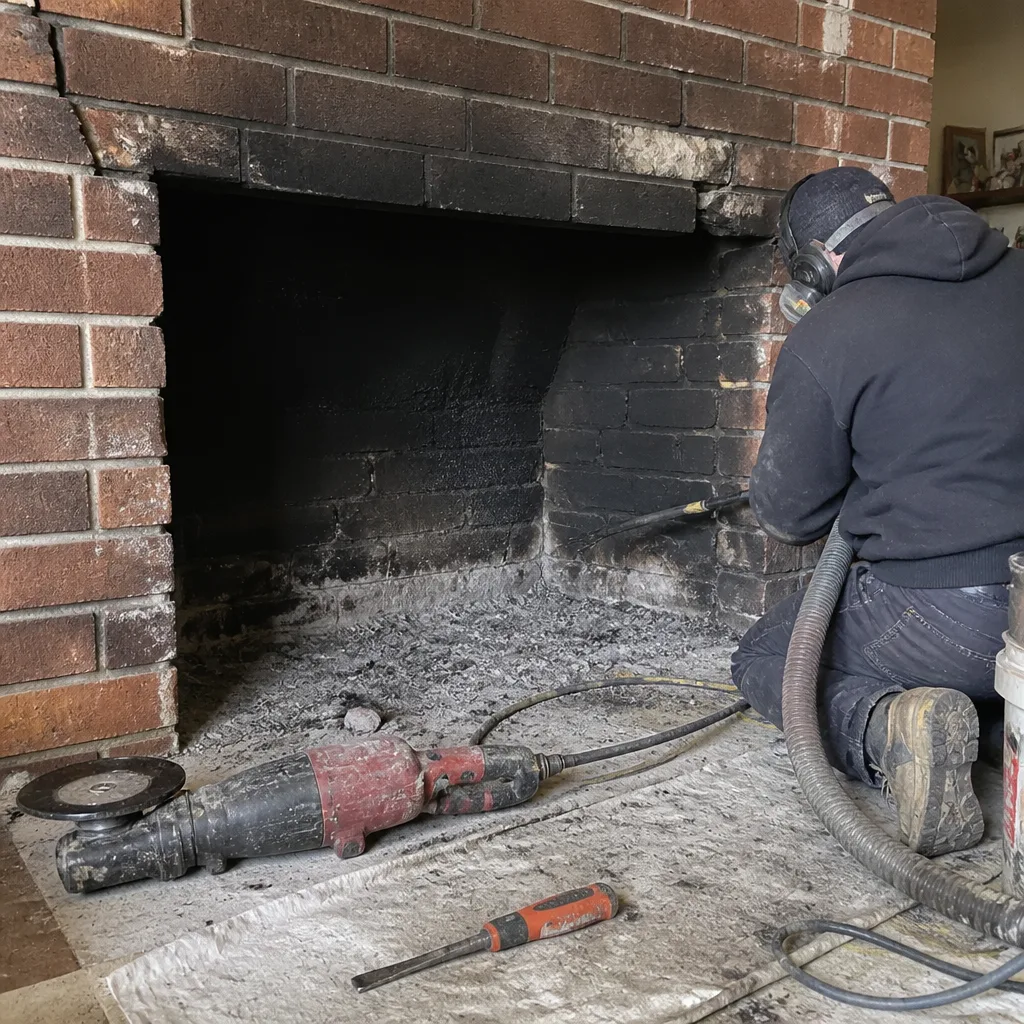 Before
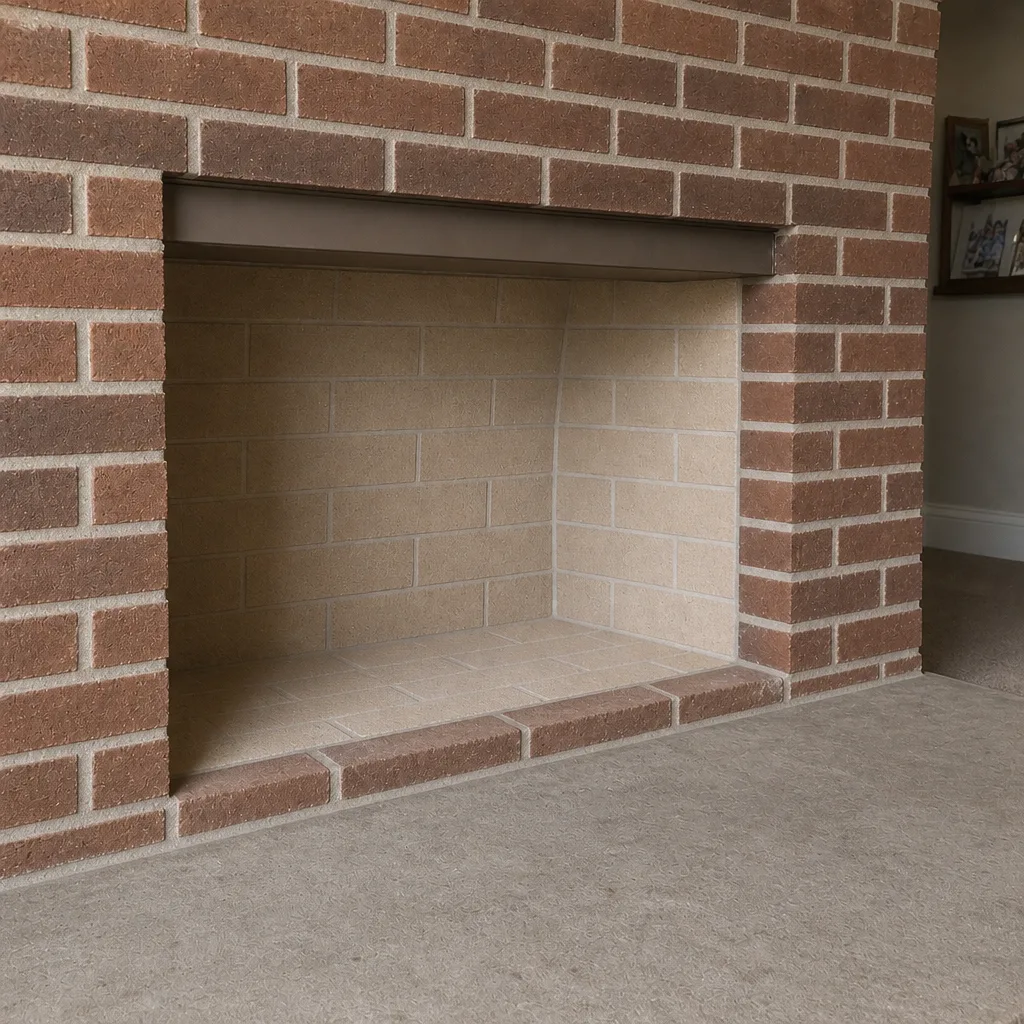 After
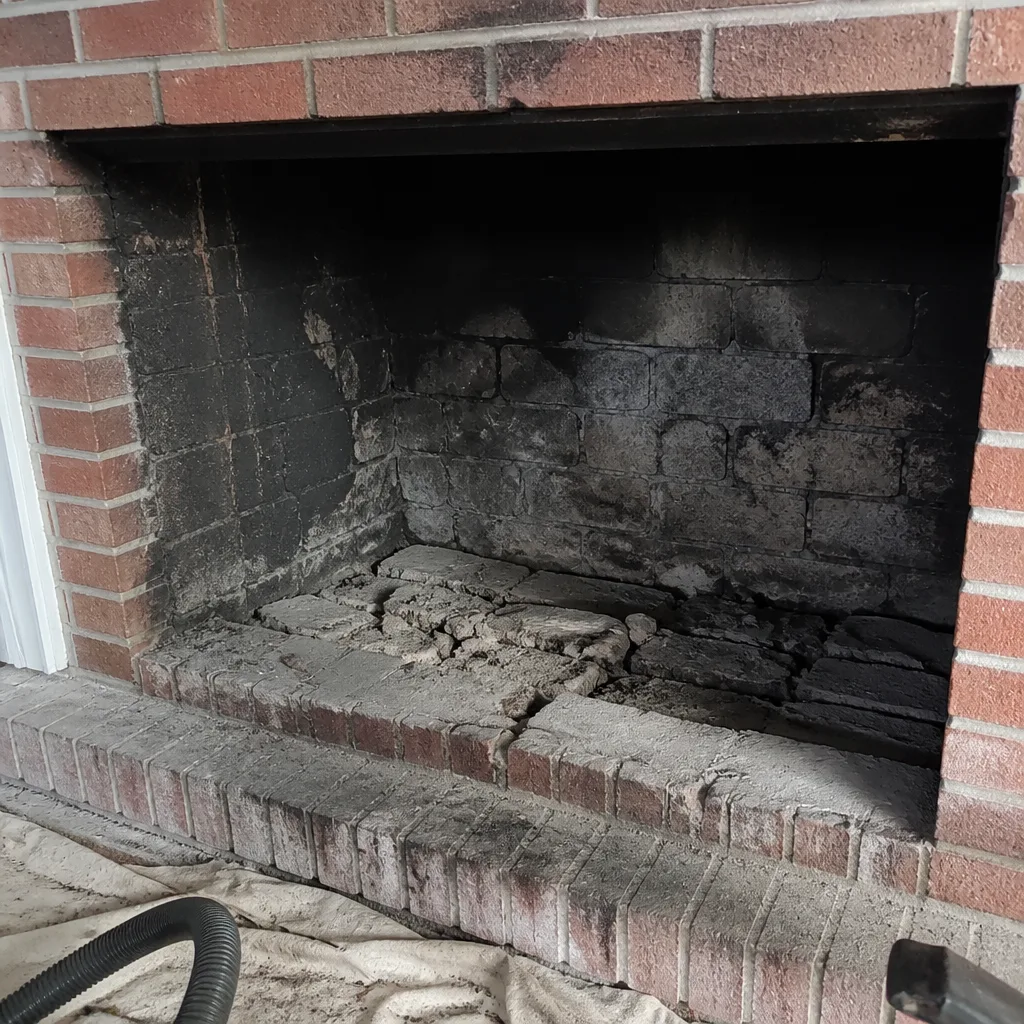 Before
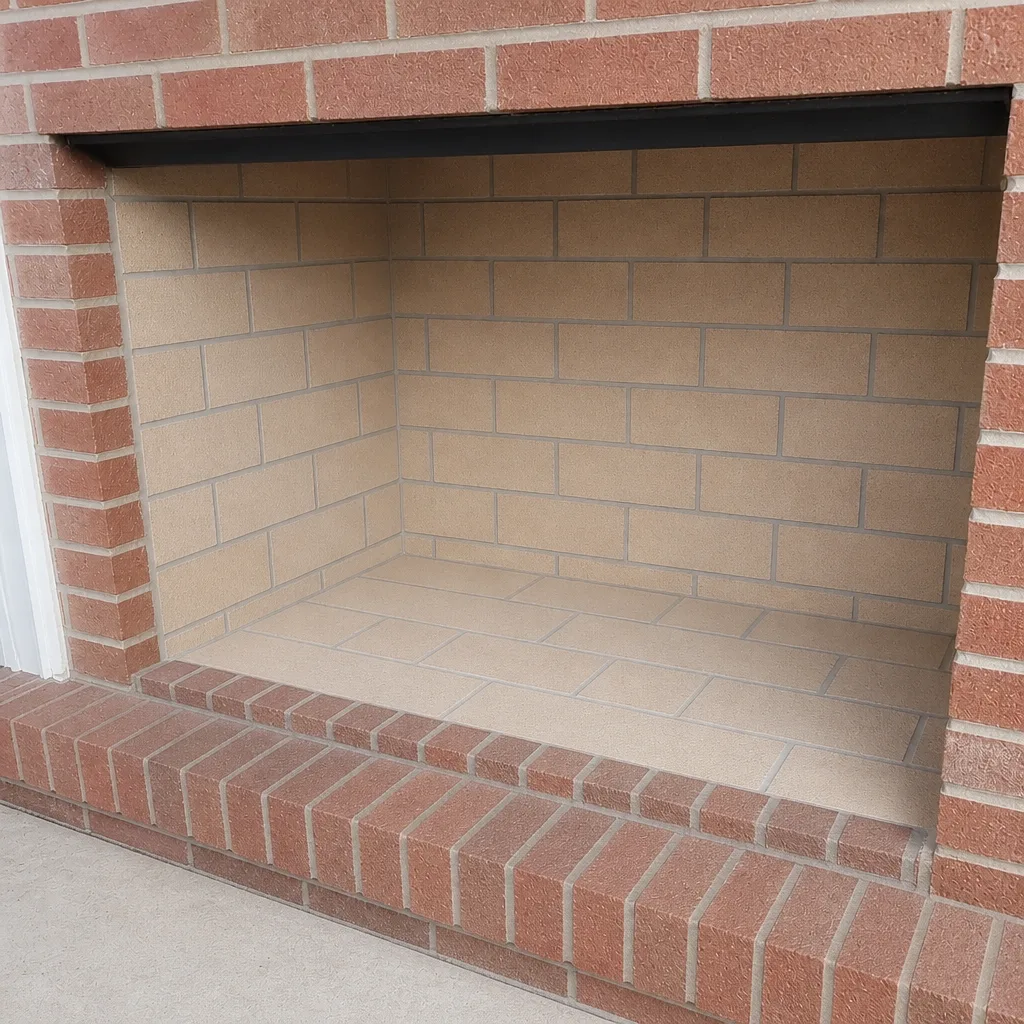 After
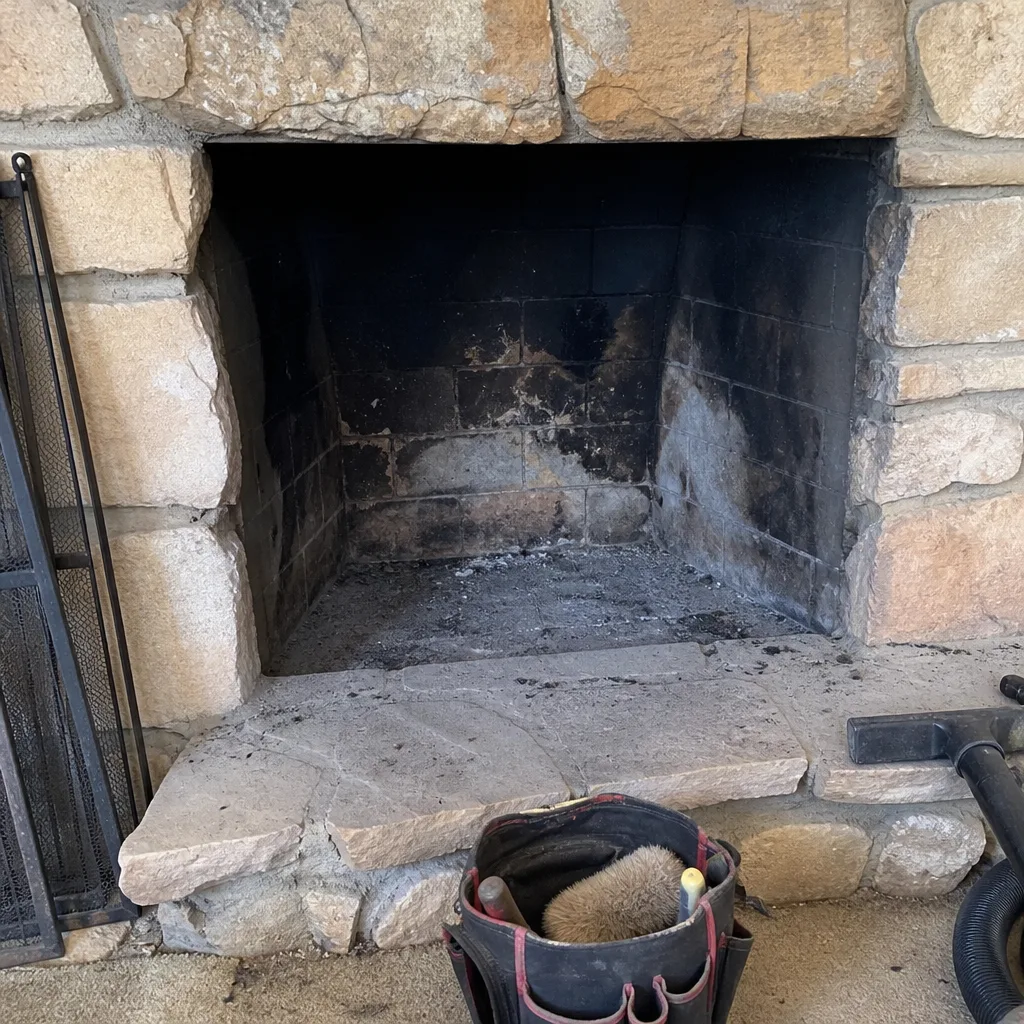 Before
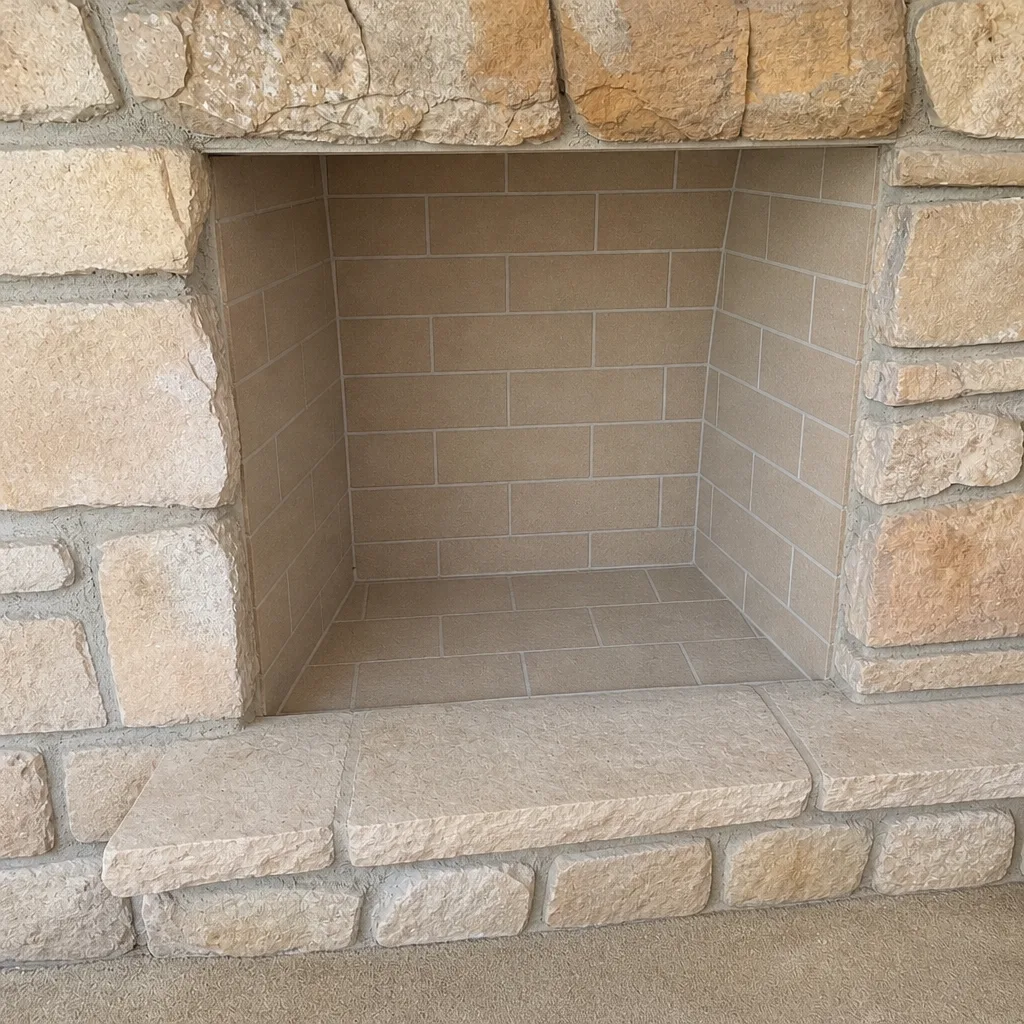 After
When to Call a Professional
Call a professional when a chimney fire is suspected even if the fire has already died out, when the fire department has cleared the scene but the chimney hasn’t been inspected, when smoke enters the room or draft problems persist, when the CO alarm sounds with no obvious source, or when an annual sweep has been skipped for more than a season. Those are the events that warrant a formal, documented inspection, not a visual once-over. If you’re not sure whether to call, call. Orem Chimney Sweep Pros offers free estimates in Orem and handles everything from cleaning to full repairs. Our technicians have up to 12 years of experience, and we work with professional-grade materials from names like DuraFlex, HeatShield and Olympia Chimney. For a documented assessment of your system, Orem Chimney Sweep Pros is the specialist to call: (877) 523-5597.
Frequently Asked Questions
Most wood-burning chimneys should be swept at least once a year, and heavier use may call for more. In Orem’s long heating season, a home that burns steadily through the winter should have the flue checked every year before the burning season starts, and definitely after any suspected chimney fire.
Creosote builds up inside the flue with every fire, and once it reaches a certain thickness it becomes fuel for a chimney fire. Skipping the sweep doesn’t just lower efficiency; it creates the exact conditions that produce the emergencies this guide is about. That’s why a sweep and inspection each year is the single most effective prevention step.
Signs include a puffy, honeycombed creosote texture inside the flue, cracked or warped liner tiles, discolored exterior chimney masonry, a strong burnt smell, and soot patterns around the cap. You need a proper inspection to confirm; visual checks won’t show internal liner damage. Call (877) 523-5597 if you suspect a fire happened and we can schedule an inspection.
Not always, but you need an inspection to know. Heat from a chimney fire can crack clay tiles or warp a metal liner without any visible symptom from the firebox. If the inspection finds cracking, spalling or separation, a repair or reline is required before the chimney goes back into service. HeatShield ceramic resurfacing is an option for some deteriorated liners when full replacement isn’t yet needed.
The fire department handles the structure fire and gets occupants to safety. A chimney specialist assesses the flue, liner, cap and crown afterward and documents whether the system is safe to use again. Those are two different jobs, and both are needed after a real chimney fire.
We answer 24/7 at (877) 523-5597 and fast dispatch from 7am to 7pm runs Sunday through Friday. A call outside dispatch hours is booked into the next opening. If you suspect an active chimney fire, call 911 first, then call us once everyone is safe. The inspection that follows the event is what protects your home from reusing a damaged system.
The Bottom Line
Chimney emergencies follow predictable patterns. Most chimney fires start with creosote that built up because the flue wasn’t swept, and most carbon monoxide events start with a liner that failed without any visible sign. Preparing for both means knowing the warning signs, knowing the first-five-minutes sequence, and above all preventing the scenario with a documented annual sweep and inspection. For Orem homeowners, the time to act is before the burning season, not during. A properly fitted cap and crown, professional-grade liner components, and a real inspection record turn a potential emergency into a routine maintenance item. Call (877) 523-5597 for a free estimate, and keep fireplace repair needs in mind if the flue or firebox has been through an event.
Written by the team at Orem Chimney Sweep Pros.